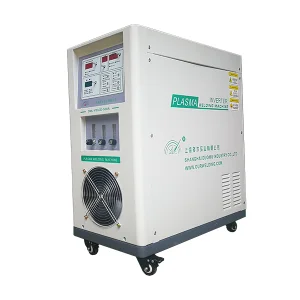
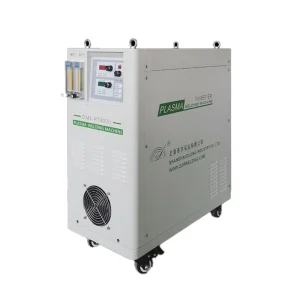
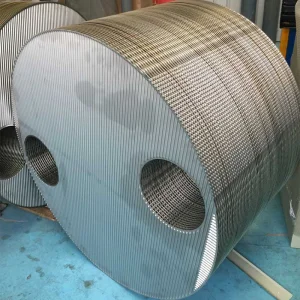
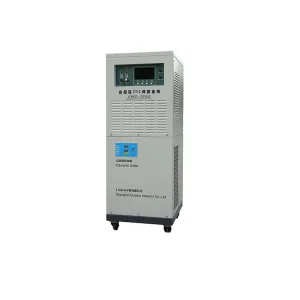
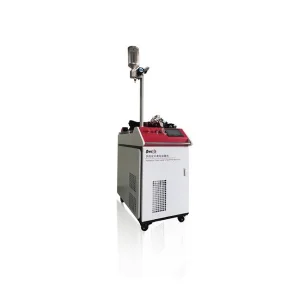
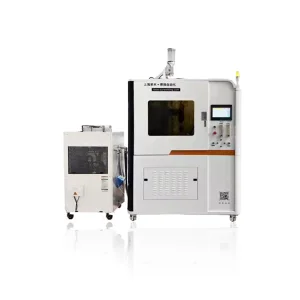
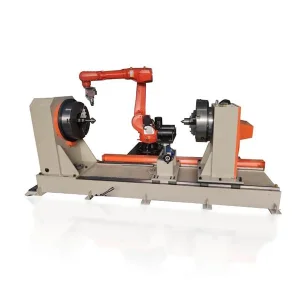
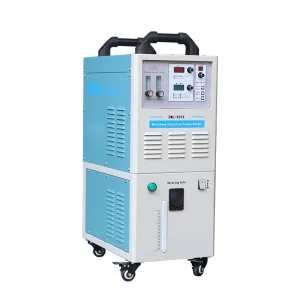
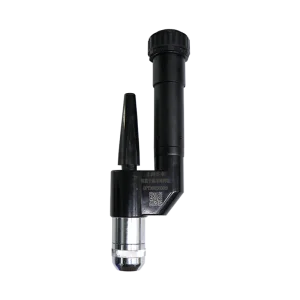
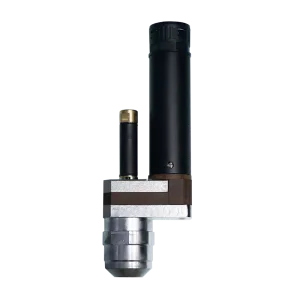
High-efficiency, heavy-duty configurations deployed for Bangkok manufacturing plants and repair depots.
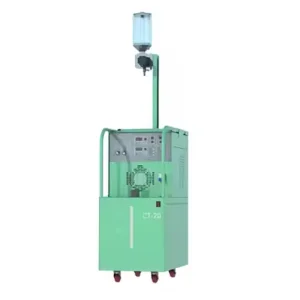
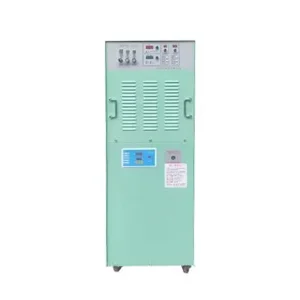
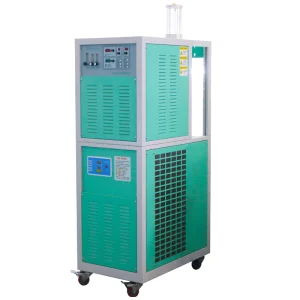
The Bangkok metropolitan area, spanning Samut Prakan, Pathum Thani, and linking seamlessly to the Eastern Economic Corridor (EEC) including Chonburi and Rayong, acts as the industrial heartbeat of Southeast Asia. Home to massive automotive assembly lines, extensive petrochemical refineries, steel fabrication mills, and major agricultural processing facilities, the demand for high-durability surface coatings is constant.
Traditional thermal spraying and standard arc welding processes are no longer sufficient to meet the strict uptime metrics required by modern manufacturers. High operating temperatures, severe abrasive wear in sugar cane processing machinery, chemical erosion in gas scrubbers, and mechanical friction in automotive dies demand metallurgical bonding that only Laser Cladding and advanced Plasma Transferred Arc (PTA) systems can deliver.
Years of Cladding Engineering Excellence
Ultra-Low Cladding Dilution Rate
Metallurgical Bonding Assurance
Technical Inquiry Turnaround
Understanding which technology aligns with your Bangkok production parameters and budget constraints.
| Performance Metrics | High-Speed Laser Cladding | Plasma Transferred Arc (PTA) | Conventional Arc (MMA/TIG) | Thermal Spraying (HVOF) |
|---|---|---|---|---|
| Metallurgical Bond Strength | Excellent (>400 MPa) | Excellent (>350 MPa) | Good, but high HAZ | Mechanical Bond Only |
| Dilution Rate | < 3% - 5% | 5% - 10% | 15% - 30% | 0% (No fusion) |
| Heat Affected Zone (HAZ) | Minimal (0.5 - 1.0mm) | Moderate (1.5 - 3.0mm) | High (>5.0mm) | Negligible |
| Coating Thickness Range | 0.5mm - 2.5mm per pass | 1.0mm - 6.0mm per pass | 2.0mm - 8.0mm per pass | 0.1mm - 1.5mm |
| Substrate Distortion Risk | Very Low | Low to Medium | High | None |
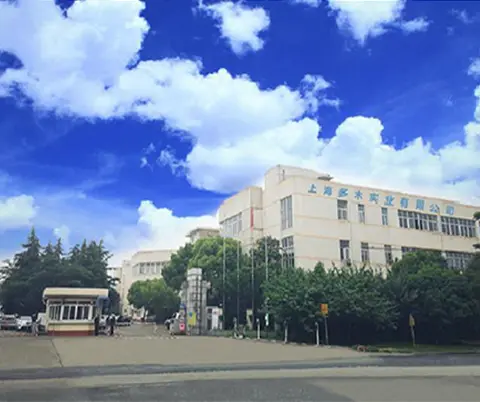
At Shanghai Duomu, we integrate Chinese engineering agility with internationally recognized quality control standards. As direct manufacturers of both PTA cladding and laser cladding machinery, we offer Bangkok businesses a significant capital expenditure advantage without compromising on component quality.
Our vertically integrated manufacturing facility in China handles everything from proprietary CNC programming to heavy gantry customization. This ensures rapid adaptation to the requirements of the Thai industrial sector:
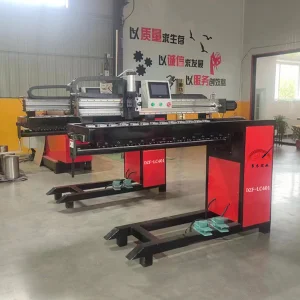
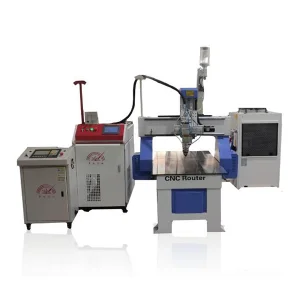
Ancillary and heavy-duty automatic welding platforms designed to augment workshop capability.
Real-world scenarios detailing how laser cladding and PTA deposition solve wear issues in Bangkok and the broader Thai region.

Extending the lifespan of sugar cane harvesting blades and tillage tools via hard tungsten carbide overlays, protecting against abrasive sandy clay wear.

Highly controlled repair of aircraft turbine components and titanium structural assemblies with zero warp and optimal metallurgical composition.

Cladding process valves, drilling collars, and offshore pumps with corrosion-resistant nickel-chromium alloys to withstand seawater and hydrogen sulfide.
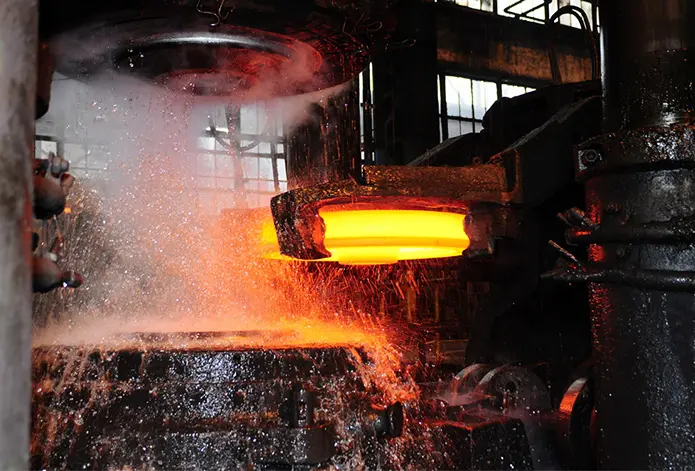
Restoring heavy-duty steel mill rollers, stamping dies, and forge hammer surfaces exposed to high cyclical thermal stresses.
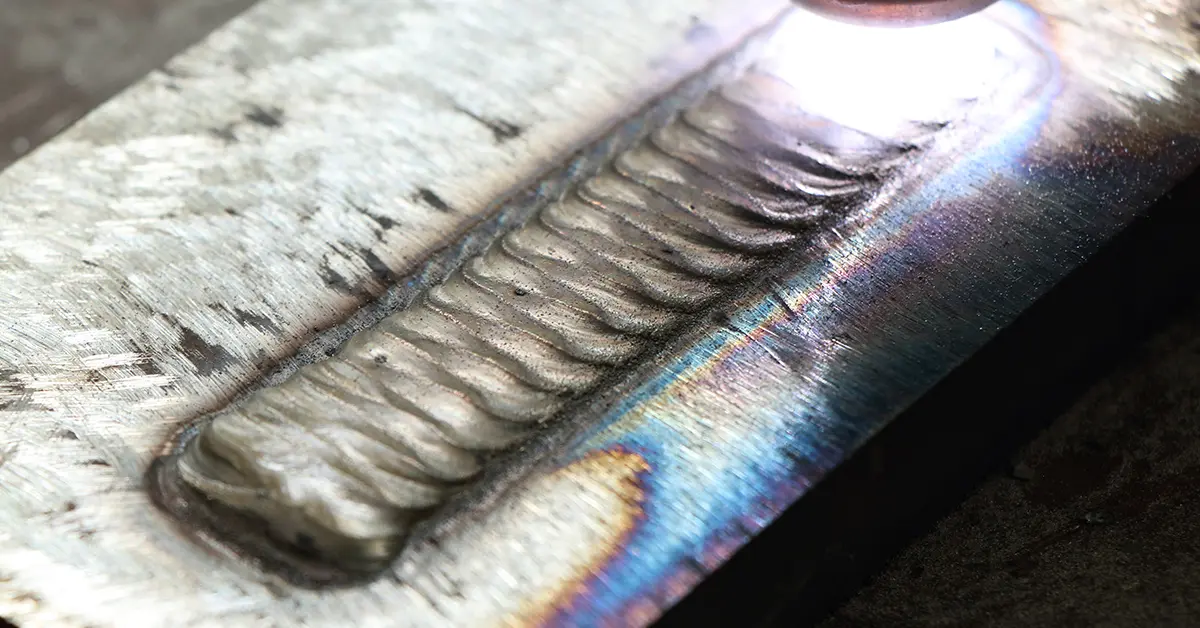
In both Plasma Transferred Arc (PTA) hardfacing and advanced Laser Cladding, achieving a high-quality surface overlay depends on a key metallurgical metric: the dilution rate. Dilution represents the ratio of the base metal (substrate) that melts and mixes into the deposited cladding layer.
When you're depositing specialized alloy powders (such as Stellite 6 or tungsten carbide matrix), excessive dilution with carbon steel substrates degrades the performance of the overlay. Traditional gas metal arc welding (GMAW/MIG) processes produce dilution rates of 15% to 30%. This means you often need to deposit two or three layers of alloy powder just to achieve the desired surface chemistry.
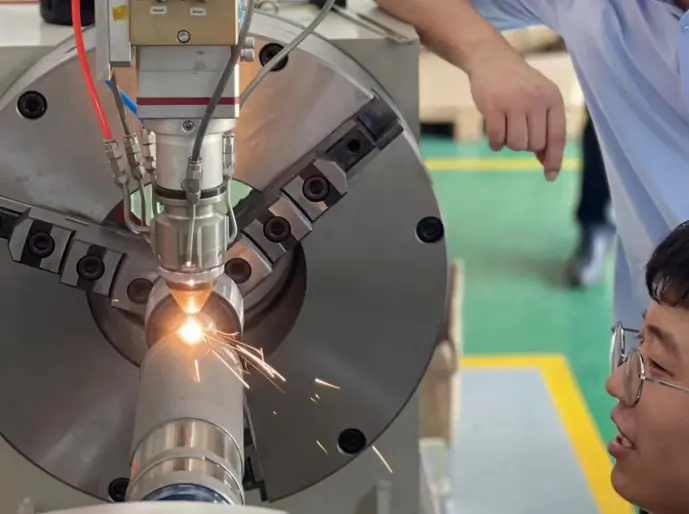
In contrast, our laser cladding systems deliver dilution rates below 5%. The intense, localized energy of the laser beam melts a minimal layer of the substrate, ensuring that even a single pass maintains the chemical properties and wear resistance of the cladding alloy.
By transitioning to laser cladding or low-dilution PTA systems, you can reduce alloy powder consumption by up to 50% while increasing the lifespan of critical wear parts, such as mud pump rotors, extruder screws, and chemical control valves.
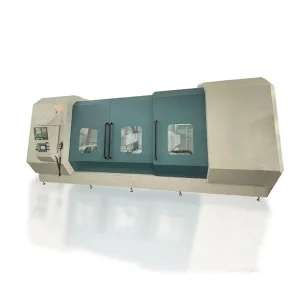
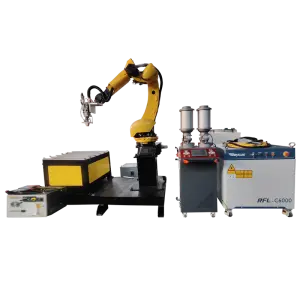
Configured systems engineered for automated surface rebuilding projects.
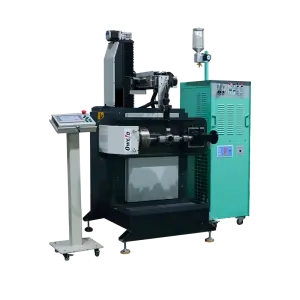
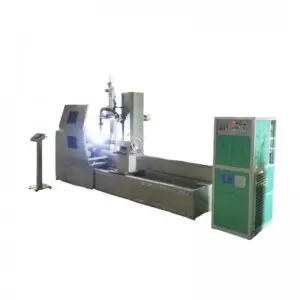
Addressing technical, operational, and commercial queries for Bangkok engineering firms.
Real feedback from heavy industrial operations worldwide using PTA & Laser Cladding technologies.
"The PTA Welding Valve Application Guide is not just a process choice for valve manufacturers facing high wear, high corrosion, and high-temperature erosion working conditions, but also a key path to improving product competitiveness. As petrochemical plants in the Rayong province scale up operations, our Stellite 6 overlay work has become far more efficient."
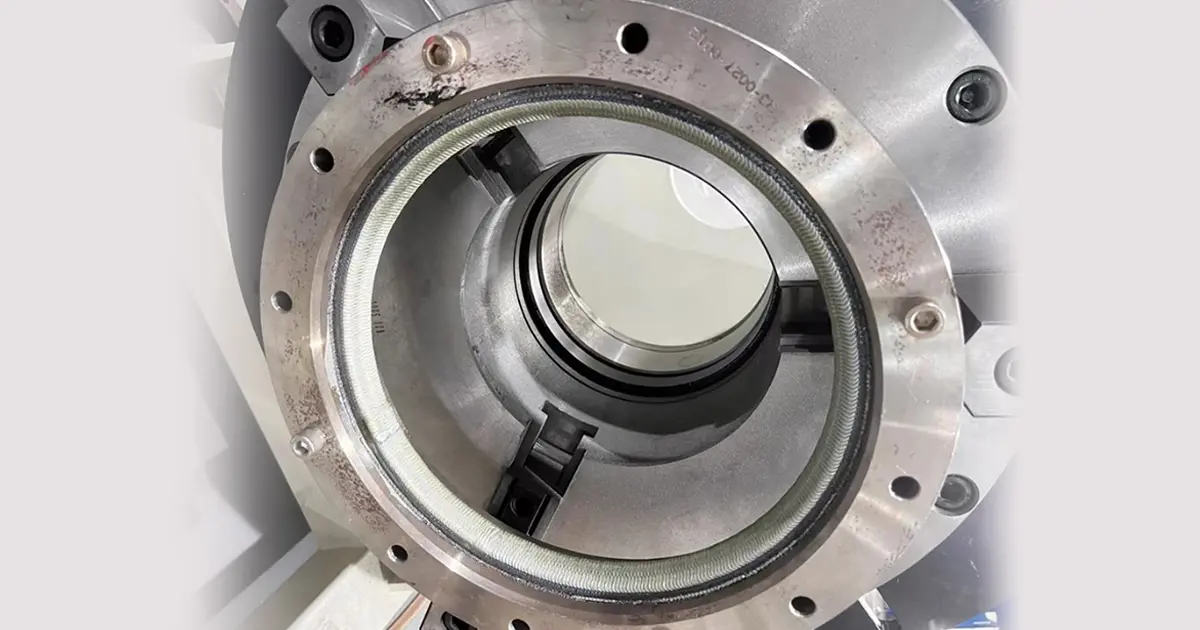
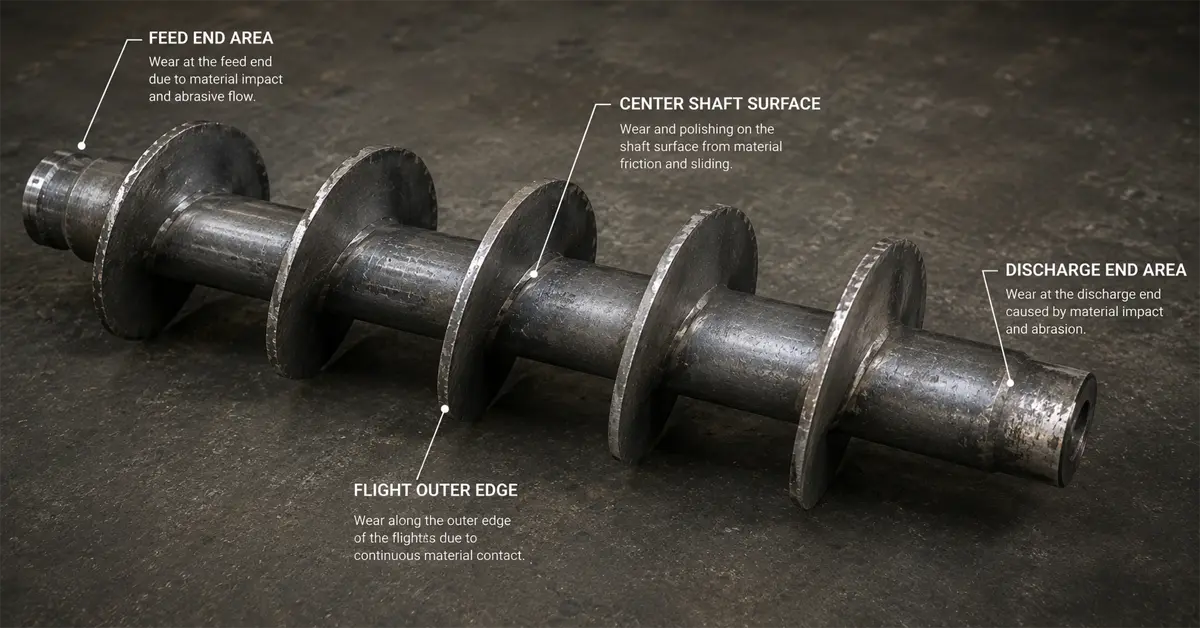
"In industries such as mining, cement, power generation, steelmaking, chemical processing, and biomass energy, screw conveyors are often regarded as auxiliary equipment. However, maintenance data shows that they are among the most frequent causes of unplanned production downtime. Using Duomu's PTA systems, we've increased screw flight life threefold."
"In Plasma Transferred Arc (PTA) hardfacing, achieving a high-quality overlay is not only about selecting the right alloy powder or optimizing welding parameters. One of the most critical factors that directly affects overlay performance is the dilution rate. Shanghai Duomu machines gave us the precision control we needed to hit under 6% dilution on carbon steel substrates."
Explore our complete catalog of industrial machinery, specialized components, and CNC platforms.









 Duomu
Duomu