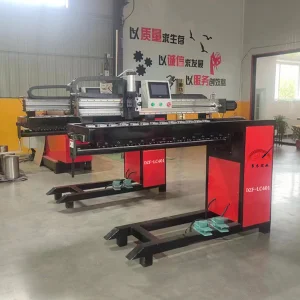
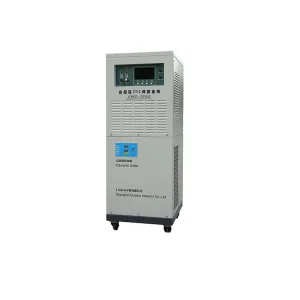
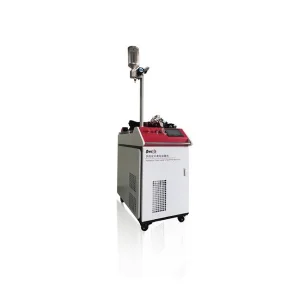
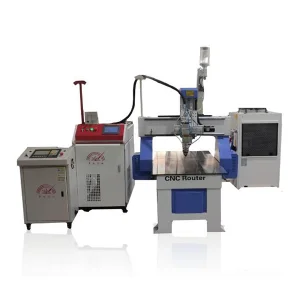
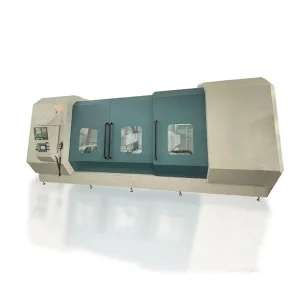
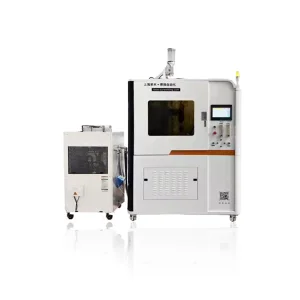
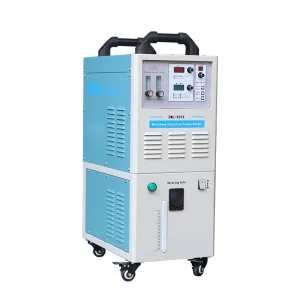
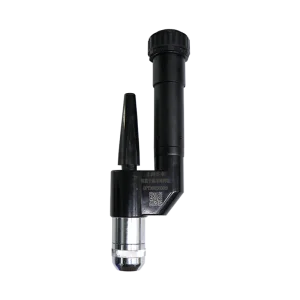
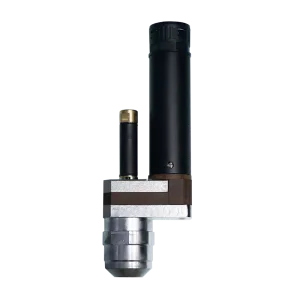
Explore our high-performance plasma powder hardfacing and laser welding equipment engineered to rebuild components operating in high-wear oilfield and petrochemical applications.
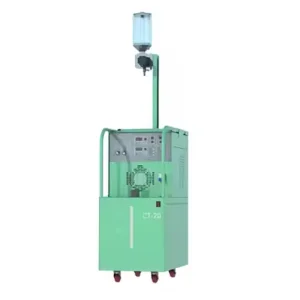
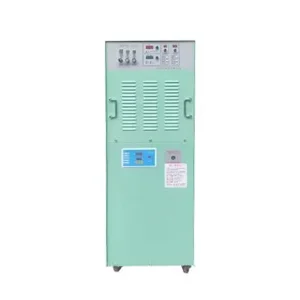
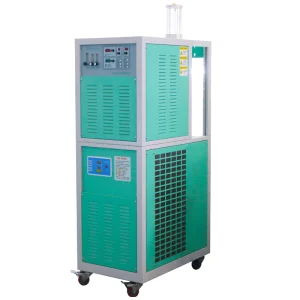
Houston, Texas, stands as the energy capital of the world. It is the epicentre of upstream oil and gas drilling, subsea extraction, petrochemical refining, and heavy machinery manufacturing. Inside these high-intensity environments, metal machinery components are exposed to catastrophic modes of degradation: abrasive drilling muds, corrosive hydrogen sulfide (H₂S) gas, marine salt spray, high-temperature erosion, and severe mechanical friction. Under such stresses, standard alloys fail prematurely, costing operators millions in unplanned downtime and capital replacement expenses.
Traditional repair methods, such as manual thermal spraying, produce mechanical bonds susceptible to spalling and high dilution rates that alter the cladding material's properties. Our state-of-the-art Laser Cladding and PTA (Plasma Transferred Arc) systems resolve this. They deliver ultra-low dilution (<1%), high metallurgical bond strength, minimal heat-affected zones (HAZ), and extreme precision, directly aligning with API (American Petroleum Institute) quality demands.

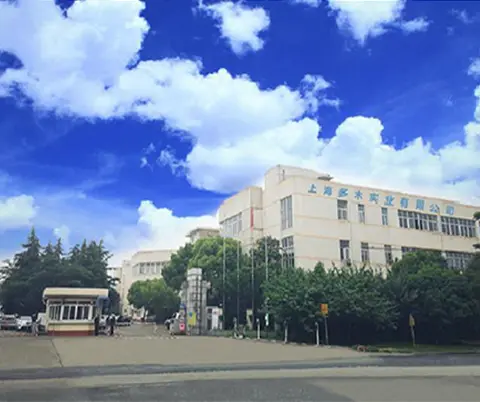
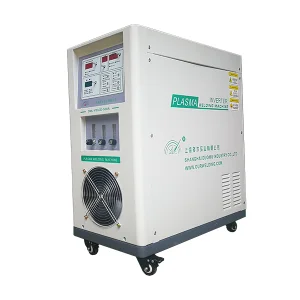
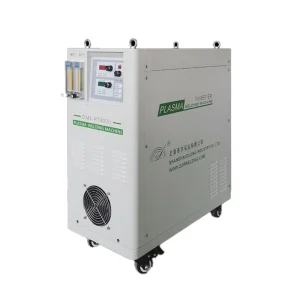
Shanghai Duomu has been a leading manufacturer and exporter of PTA cladding machines and Laser cladding machines for more than ten years with a strong technical background. Our systems are deployed in advanced facilities globally, allowing shops to execute precision overlay welding on hydraulic cylinders, heavy industrial valves, downhole tooling, and power generation blades.
We combine advanced mechanical design with cutting-edge electrical automation, providing machines that deliver stable output, high deposition efficiency, and ease of operation. Whether you run a job shop in the Houston Ship Channel or a multinational oilfield service operation, our machinery provides the robustness required for 24/7 industrial production.
Learn More About Our CapabilitiesAt present, the company's products have penetrated into many fields such as aerospace military industry, nuclear power, petrochemical industry, coal mines, metallurgy and forging, agriculture, water conservancy and electric power, etc.
As industrial demands transition toward intelligent manufacturing, our technological roadmap focuses on digital integration and ultra-high-speed material deposition.
Reducing thermal input further to clad thin-walled shafts and highly sensitive steel grades without causing structural deformation.
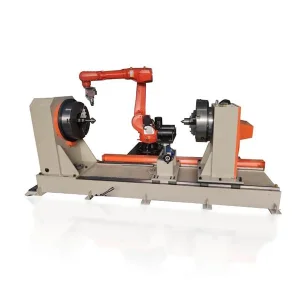
Complete integration with 6-axis external robotic arms and 2-axis positioners for automatic cladding of complex 3D curved surfaces.
Real-time visual and thermal camera feedback loops to adjust laser output power and powder feed rates dynamically during operations.
Developing dedicated software tools to optimize toolpath strategies, reducing material waste and overall energy footprint.
I have an independent R&D team, which develops, produces and sells plasma cladding machine equipment. The welding machine has stable performance and can maintain efficient long-term operation. In addition, the laser cladding equipment sold by the company can effectively support large-scale remanufacturing projects. We have mature technological means to provide complete sets of industrial equipment solutions.
Our engineering division constantly evaluates new powder formulations—including nickel-based superalloys (Inconel 625/718), cobalt-based alloys (Stellite 6/12/21), and tungsten carbides (WC-Co)—to ensure our equipment is calibrated to provide optimal deposit density, minimal porosity, and superior hardness profiles.
Get in Touch with our R&D Team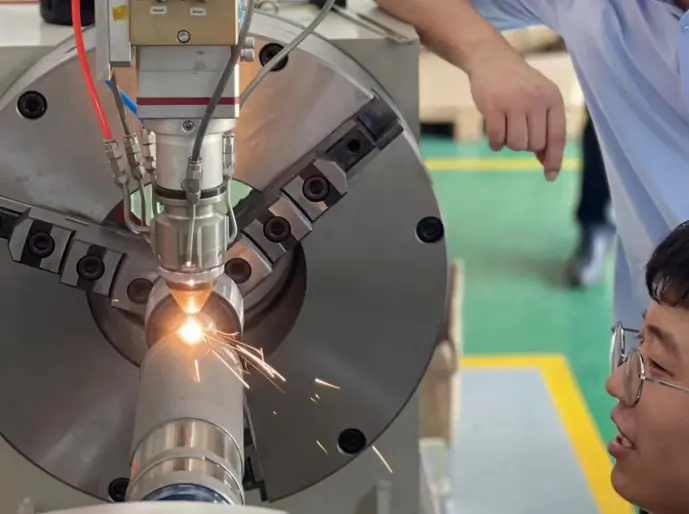
For Houston machine shops and oilfield operations, purchasing local cladding setups often means high premium pricing and long delivery lead times. By partnering with our Chinese manufacturing facility, customers access state-of-the-art cladding hardware designed under Industry 4.0 factory principles at a realistic cost profile.
This does not mean compromising on reliability. We source premium optical components, laser sources (such as IPG, Raycus, or Maxphotonics), and CNC motion systems to ensure global spare part compatibility. By purchasing directly from our factory floor, Houston enterprises can modernise their shops, maintain high throughput, and insulate themselves from localized economic disruptions.
Request Global Freight & Delivery Logistics infoEnsuring global equipment matches local US standards, Gulf Coast safety compliance, and API operational guidelines.
All machinery exported to the US market can be custom-wired to match UL/CSA standards, ensuring compliance with local industrial electrical regulations and OSHA standards.
Our PTA and Laser Cladding recipes support qualification according to ASME Section IX, API 6A (specification for wellhead equipment), and API 11B standards.
We supply detailed mechanical schema, remote engineering support, and step-by-step guidance videos to facilitate installation in Houston without delay.
Select from our complete industrial range of heavy-duty, robotic, and portable surfacing equipment engineered for Houston’s key engineering sectors.
Real-world insights and engineering evaluations on the performance of PTA hardfacing and laser cladding across wear-intensive industries.
"The PTA Welding Valve Application Guide is not just a process choice for valve manufacturers facing high wear, high corrosion, and high-temperature erosion working conditions, but also a key path to improving product competitiveness. As petrochemical plants demand absolute integrity, upgrading to PTA systems has slashed seat leakage failures dramatically."
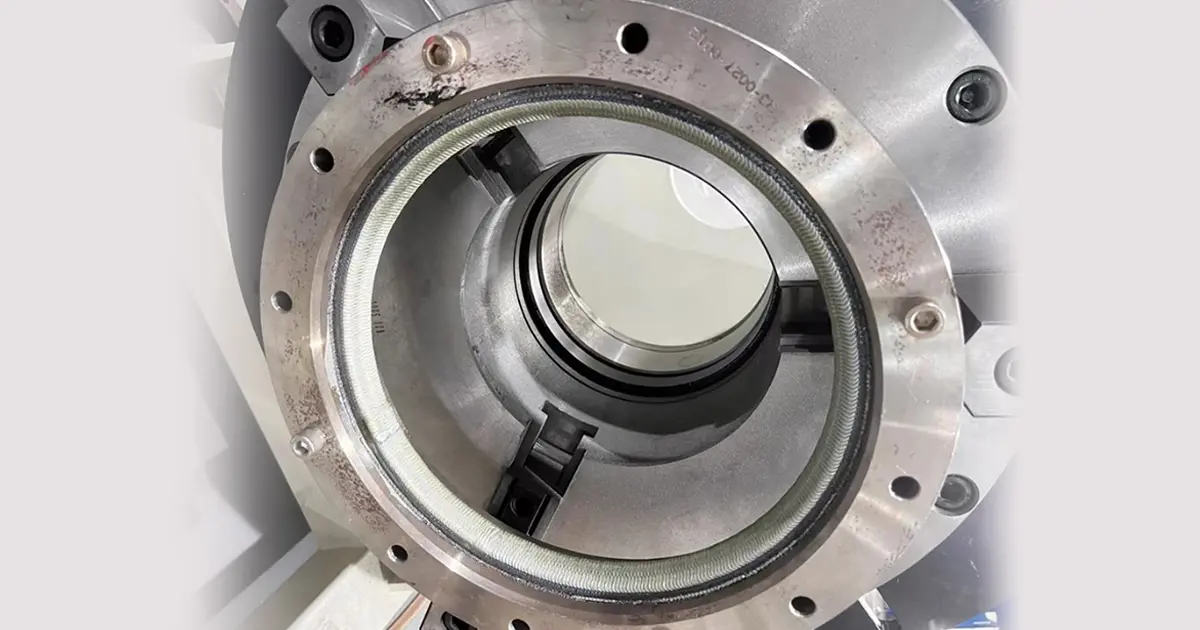
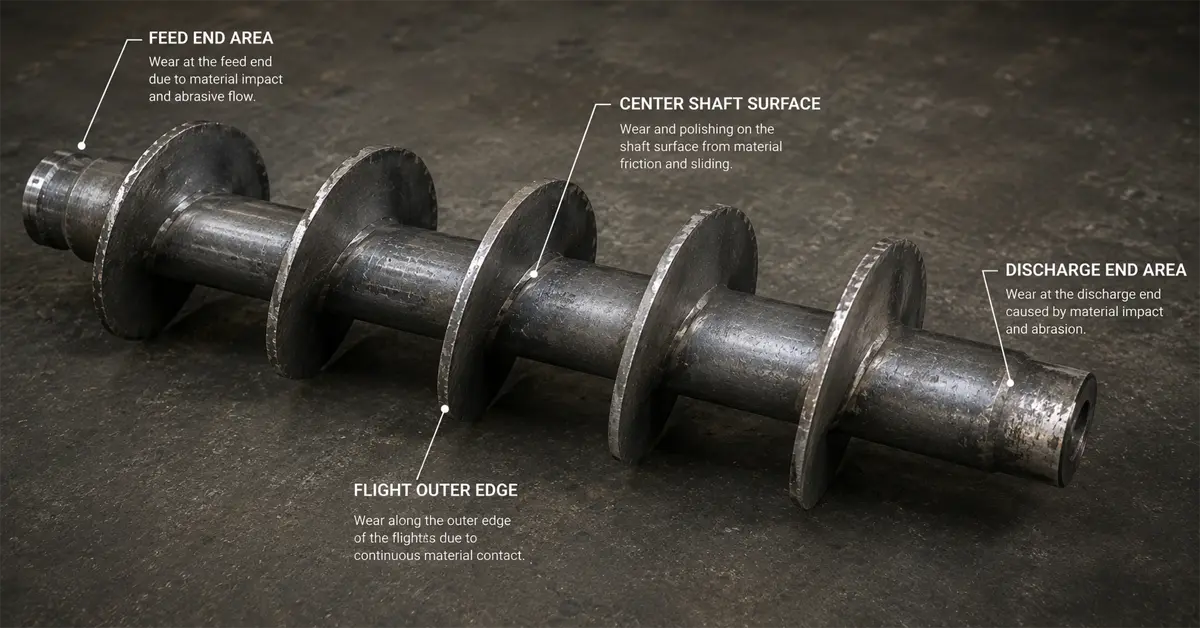
"In industries such as mining, cement, power generation, steelmaking, chemical processing, and biomass energy, screw conveyors are often regarded as auxiliary equipment. However, maintenance data shows that they are among the most frequent causes of unplanned production downtime. PTA hardfacing has extended conveyor screw life fourfold."
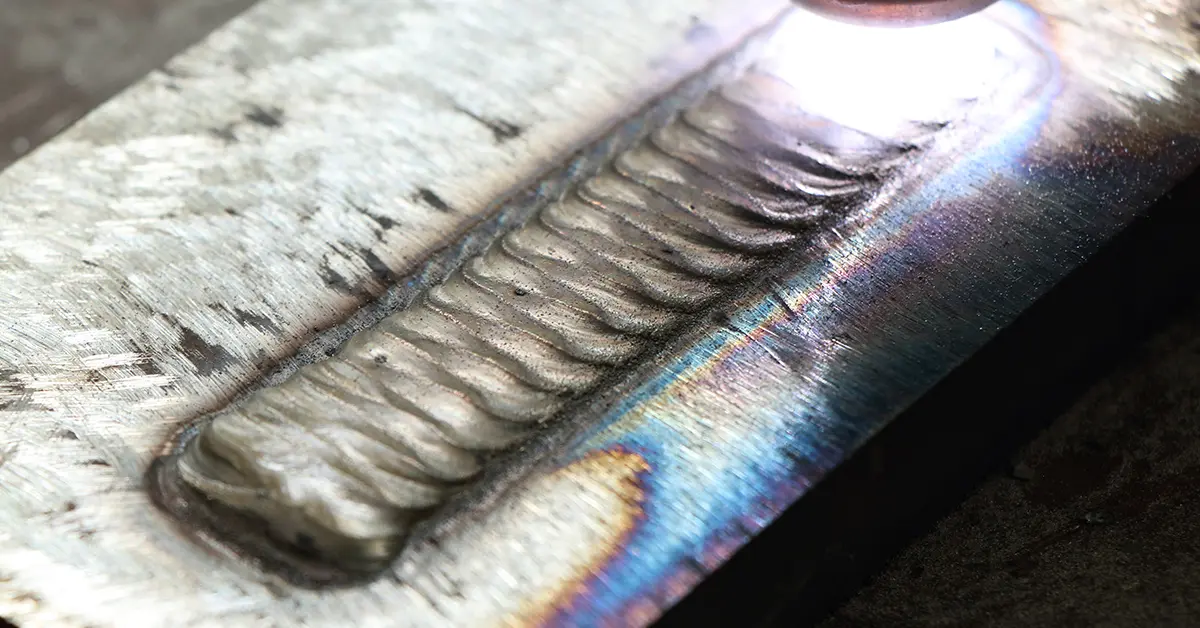
"In Plasma Transferred Arc (PTA) hardfacing, achieving a high-quality overlay is not only about selecting the right alloy powder or optimizing welding parameters. One of the most critical factors that directly affects overlay performance is the dilution rate. Shanghai Duomu systems allow us to lock in dilution rates under 2% consistently."
Expert answers to the most common engineering and procurement questions regarding cladding technologies.
Laser cladding uses a highly focused laser light source which minimizes heat input, leading to an extremely narrow Heat Affected Zone (HAZ) and dilution rates under 1%. It is ideal for high-precision components like turbine blades, hydraulic rods, and key shafts. PTA utilizes a plasma arc, yielding higher deposition rates and excellent metallurgical bonding. PTA is highly cost-effective for larger components like mud pump rotors, screw conveyors, and valve gates.
For downhole tools and drill collars, nickel-based superalloys (such as Inconel 625) mixed with spherical tungsten carbide (WC-Co) particles are preferred. This provides a corrosion-resistant matrix that holds ultra-hard tungsten carbide particles, presenting optimal defense against both abrasive drilling sands and corrosive sour gases (H₂S).
Yes. Our systems are engineered with modular control logic, allowing them to interface directly with major international robotic arms, external rotary positioners, and gantry motion frames. We provide custom integration assistance to match your workshop's existing robotic workflow.
We configure electrical panels, emergency stops, safety enclosures, and laser safety interlocks to align with US domestic standards (including UL and OSHA regulations). We also supply clear schematic diagrams in English and offer remote diagnostics via internet-connected PLC modules.
A carbon steel hydraulic rod clad with a 1.5mm layer of stainless steel or nickel-based alloy typically outlasts a hard chrome-plated counterpart by 3 to 5 times in corrosive saltwater environments, while eliminating micro-cracking issues associated with chromium plating.
Depending on customization requirements, standard cladding equipment requires 45 to 60 days to manufacture and test. Ocean transit from Shanghai Port to the Port of Houston typically takes 25 to 35 days. We provide comprehensive export documentation to simplify US customs clearance.





For inquiries about our products, customization options, or current price lists, please contact us. Our engineering team will get back to you within 24 hours with a comprehensive technical evaluation.
Send Inquiry Now Duomu
Duomu