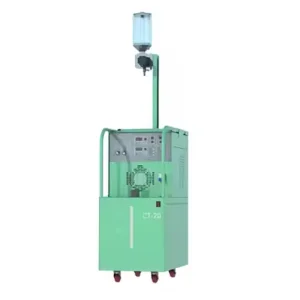
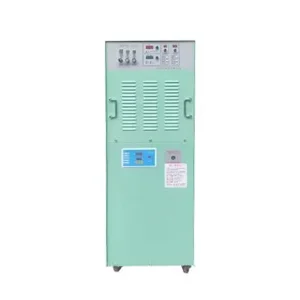
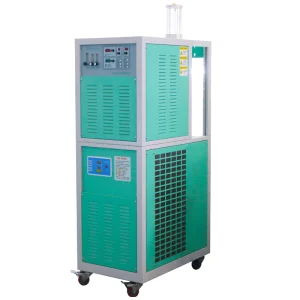
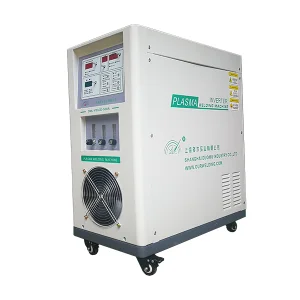
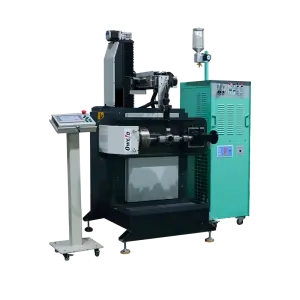
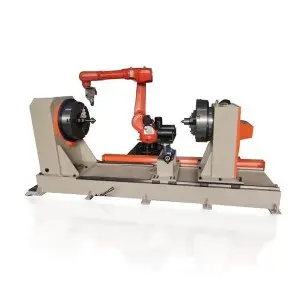
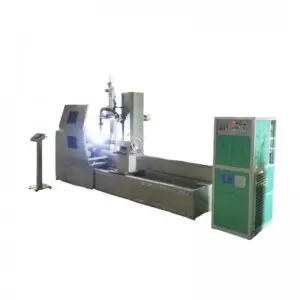
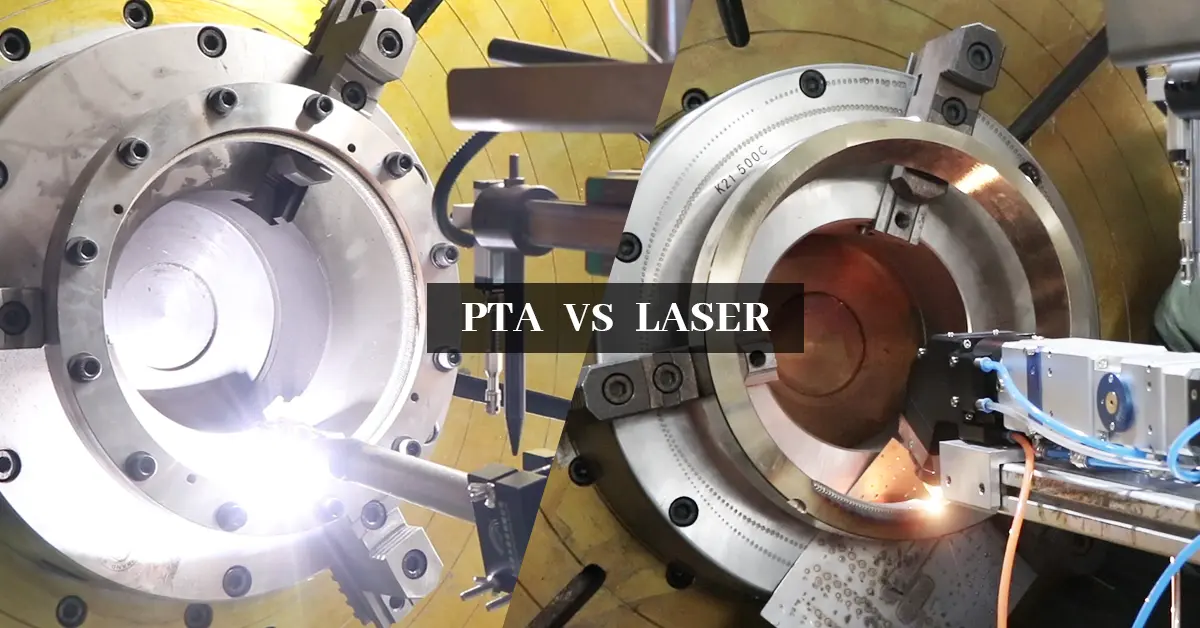
Advanced hardfacing platforms engineered for Tokyo's strict precision standards, offering industry-leading coating performance and control.
The Tokyo Metropolitan Area, alongside the Keihin Industrial Zone, represents one of the world's most advanced manufacturing hubs. As Tokyo industries transition toward Society 5.0 and target carbon neutrality by 2050 under Japan’s Green Growth Strategy, the engineering demands for component lifespans, resource efficiency, and precision manufacturing have grown intensely.
Laser cladding (also known as Laser Metal Deposition - LMD) has emerged as a critical technology in this paradigm. Unlike conventional thermal spraying or manual arc welding, laser cladding utilizes a high-intensity laser beam to melt a substrate surface while simultaneously introducing metallic powder. This forms a metallurgical bond with extremely low dilution (typically <2%) and a minimal Heat-Affected Zone (HAZ).
Understanding the metallurgical differences between Laser Cladding and Plasma Transferred Arc (PTA) cladding for Japanese industrial buyers.
Traditional hardfacing introduces massive heat, leading to distortion in thin-walled or complex components. Laser cladding reduces the heat input by up to 75% compared to conventional GTAW or PTA, preserving the geometric tolerances of specialized engine turbine parts and chemical pumps used by Tokyo Bay operators.
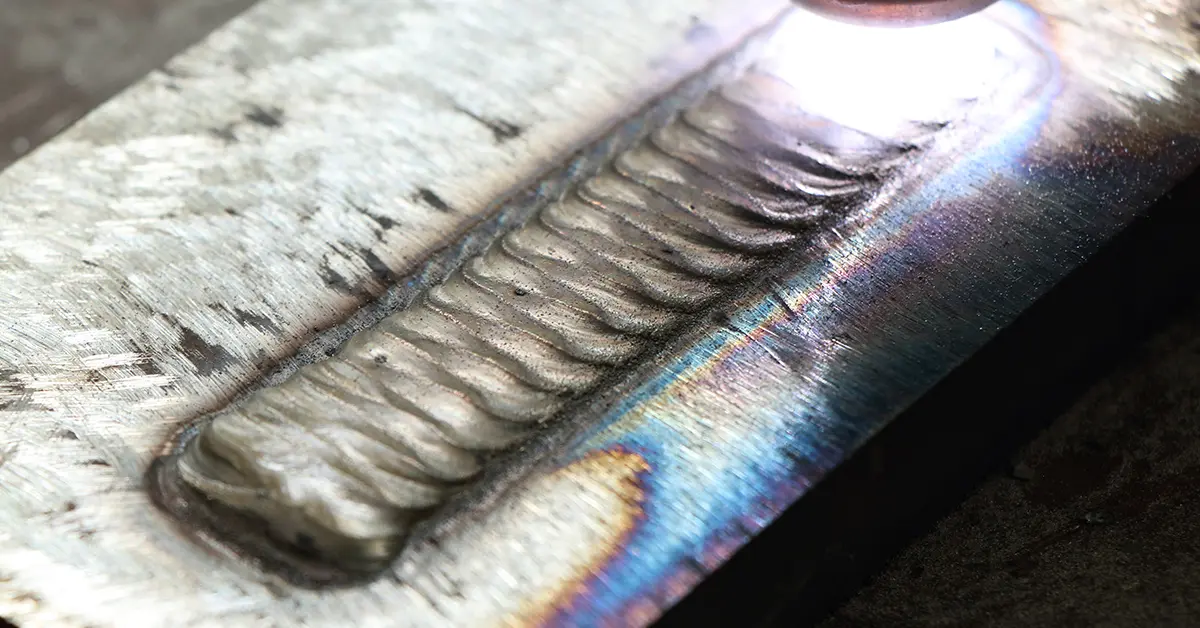
PTA achieves a dilution rate of 5% to 15%. Our localized Laser Cladding systems restrict dilution below 1.5%. This ensures that the functional cladding material (such as Stellite, Inconel, or Tungsten Carbides) maintains its design integrity immediately at the first layer, eliminating the need to stack multiple layers.
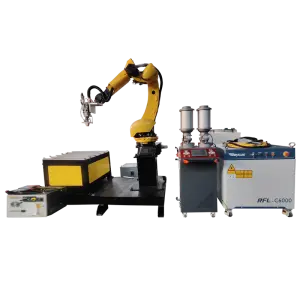
Beyond repairs, modern Japanese industrial sectors use our multi-axis laser cladding gantries and robotic cells for direct energy deposition (DED) 3D printing. It is now possible to build complex wear-resistant geometries on standard carbon steel bases, reducing the purchase cost of solid superalloy components.
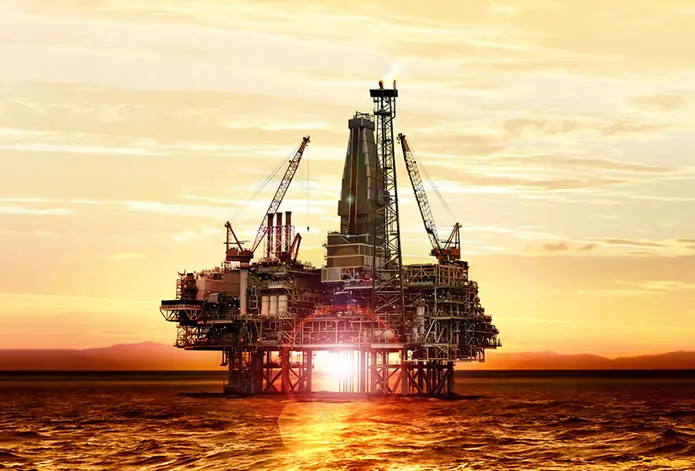
From Keihin maritime vessels to Kanagawa automotive tooling, our cladding technology delivers proven performance improvements across diverse operating environments.


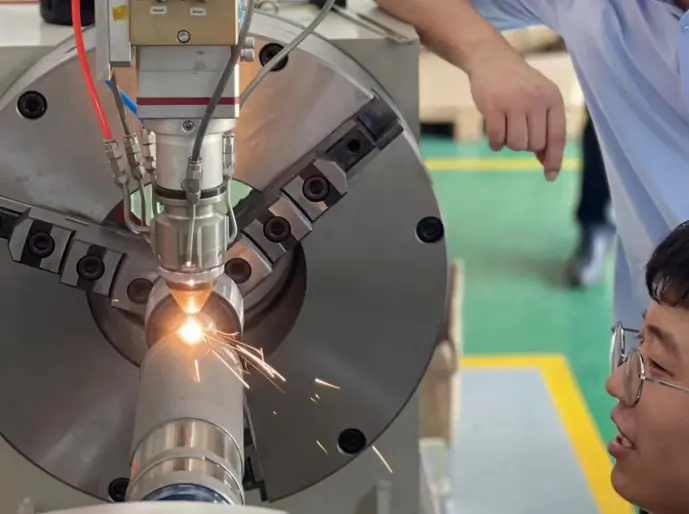
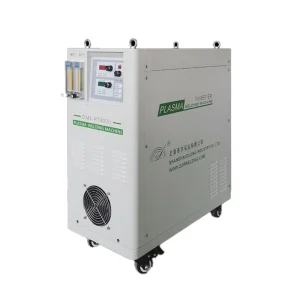
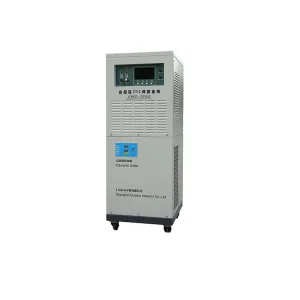
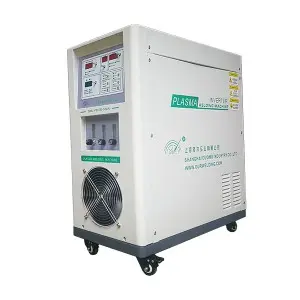
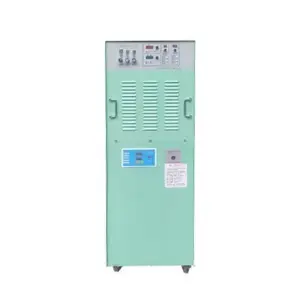
Shanghai Duomu has been a leading manufacturer and exporter of PTA cladding machines and Laser cladding machines for more than ten years with a strong technical background. We maintain an independent R&D team that develops, produces, and sells plasma cladding machine equipment. The welding machine features stable performance and is built to maintain highly efficient, long-term operations.
In addition, the laser cladding equipment sold by our company effectively supports large-scale remanufacturing projects. We have established mature technological processes to provide complete sets of industrial equipment solutions tailored specifically to the high standards of global industrial markets, including Tokyo, Yokohama, and Osaka.
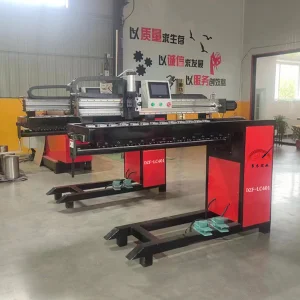
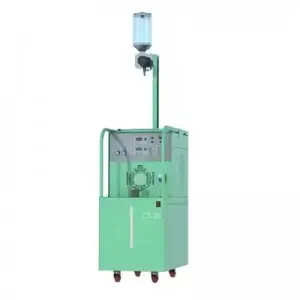
We provide customized machinery, automatic laser cladding equipment, automatic plasma cladding setups, and intelligent robot cladding systems according to customers' precise technical requirements. This includes specialized machinery for critical industries, such as hydraulic rod cladding machines, pick cladding machines, and valve hardfacing cells.
Get Technical Support & ConsultingEnsuring seamless integration with Japan's industrial quality standards and on-site support capabilities.
Quality and precision are the bedrocks of Japanese manufacturing. Our business strategy for the Tokyo market focuses on meeting and exceeding these expectations through localized support and technical compliance.
Under Tokyo’s strict eco-regulatory framework, modern plants face challenges to reduce material consumption and lower carbon footprints. Laser cladding offers a pathway to achieve this:
By restoring worn shafts, rolls, and turbines back to original design specs, companies avoid the massive carbon footprint associated with melting and machining a replacement part from raw steel. Our digital process monitoring keeps track of energy inputs, providing verifiable data for green manufacturing audits.
Optimize your lifecycle efficiency while maintaining strict engineering tolerances.
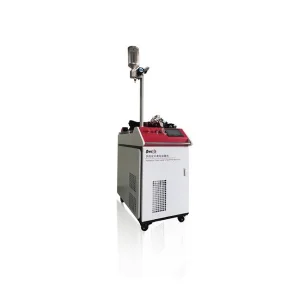
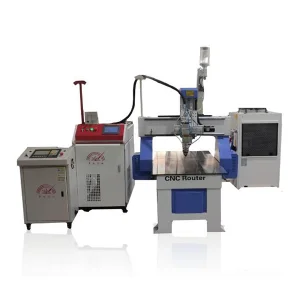
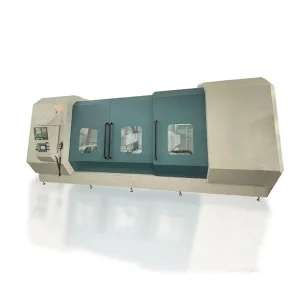
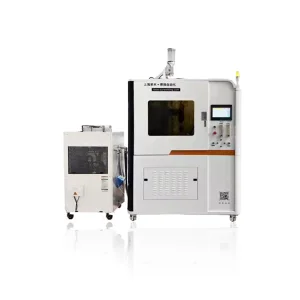
Explore our targeted product range, featuring specialized plasma and laser cladding hardware configured for Japanese heavy industries.
Expert articles exploring surface engineering challenges, wear patterns, and cladding solutions for modern heavy machinery.
The PTA Welding Valve Application Guide is not just a process choice for valve manufacturers facing high wear, high corrosion, and high-temperature erosion working conditions, but also a key path to improving product competitiveness. As industries such as petrochemical, power generation, and chemical processing in Tokyo and Chiba require higher safety parameters, mastering the PTA dilution rate and selecting the correct hardfacing alloy is paramount.
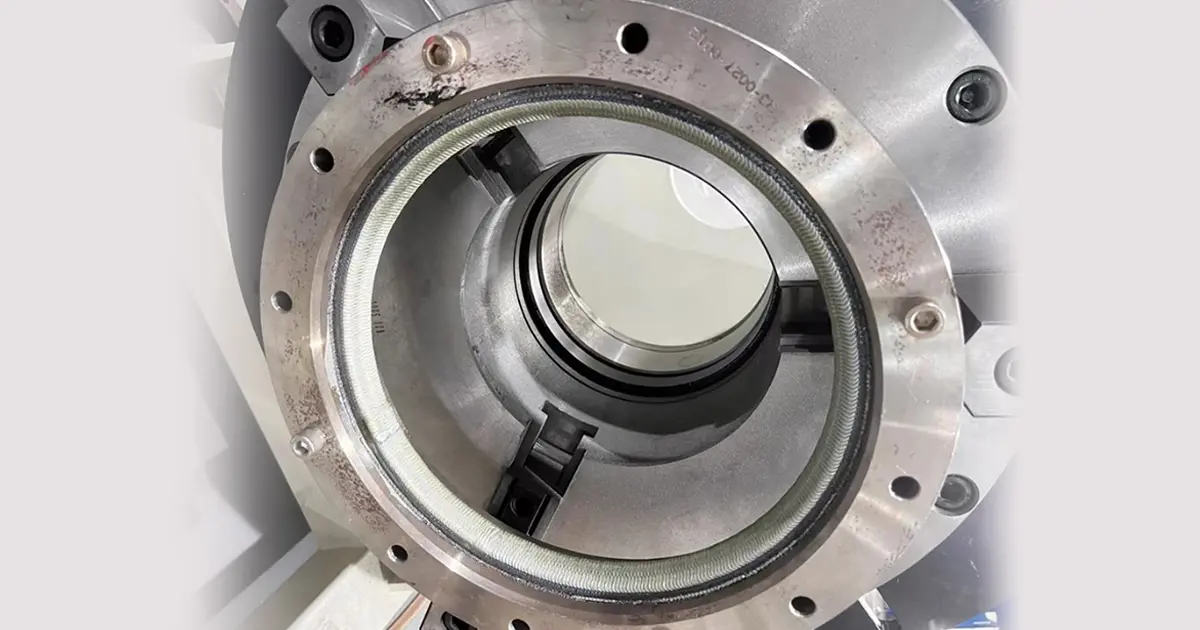
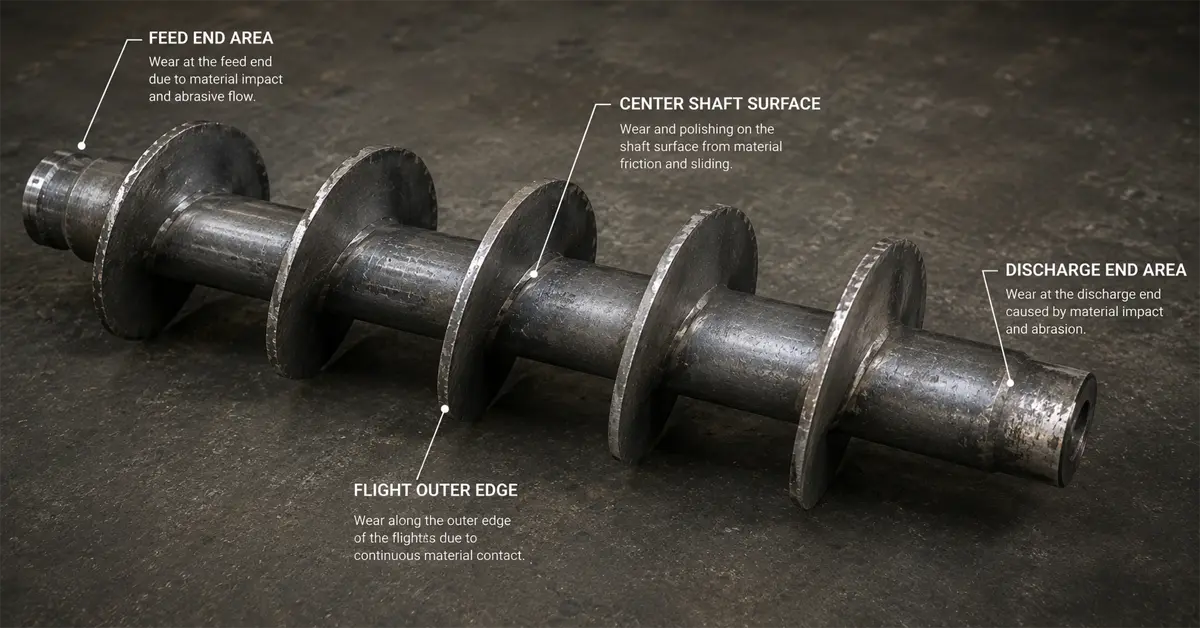
In industries such as mining, cement, power generation, steelmaking, chemical processing, and biomass energy, screw conveyors are often regarded as auxiliary equipment. However, maintenance data shows that they are among the most frequent causes of unplanned production downtime. Mitigating screw conveyor flights erosion with custom-built cobalt and nickel-based coatings has saved modern plants up to 40% in maintenance expenditures.
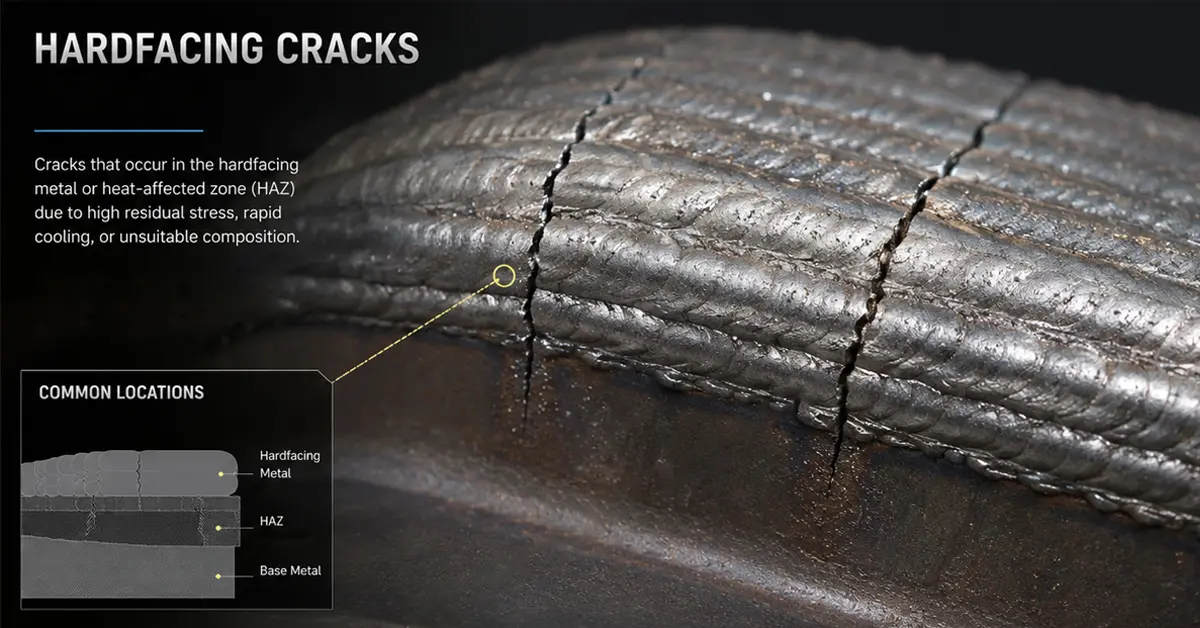
In Plasma Transferred Arc (PTA) hardfacing, achieving a high-quality overlay is not only about selecting the right alloy powder or optimizing welding parameters. One of the most critical factors that directly affects overlay performance is the dilution rate. Whether you are cladding low-alloy steels or high-nickel bases, restricting dilution preserves carbide density and avoids micro-cracking during cool-down.
As industrial systems shift toward full automation, our technological development path aligns with the goals of Tokyo's smart manufacturing initiatives:
We work closely with corporate engineering procurement teams in Japan to run cost-benefit calculations for our machinery. A typical remanufacturing project using our automated laser cladding systems saves up to:
compared to purchasing new parts, while achieving identical or superior wear performance on critical working surfaces.
Key technical and logistics inquiries regarding laser cladding and PTA equipment for industrial operations in Tokyo.







 Duomu
Duomu