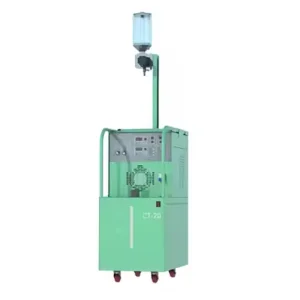
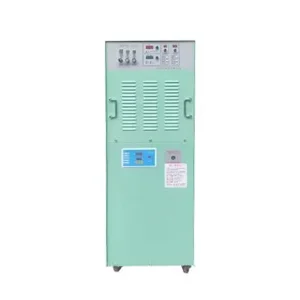
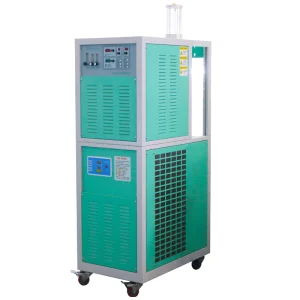
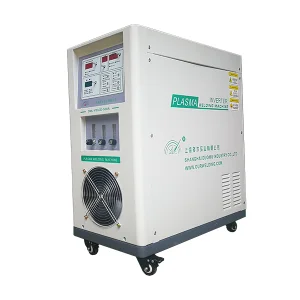
High-energy density surface modification and cladding machinery optimized for local Algerian industrial tolerances
Algeria's massive industrial engine is driven heavily by hydrocarbon production, resource extraction, and infrastructure construction. Key national sectors, including the state energy company Sonatrach, major cement groups like the GICA Group, and extensive phosphate mining operations in the eastern provinces (e.g., Ouenza and Djebel Onk), subject machinery to some of the most aggressive wear environments on Earth. In these facilities, critical mechanical components constantly suffer from severe abrasion, high-temperature corrosion, gas erosion, and structural fatigue.
Historically, public and private enterprises across Algiers, Oran, and Hassi Messaoud relied on costly component replacement schemes, sourcing OEM spares from Western Europe. However, with the Algerian government's ongoing focus on localized value creation, domestic industrial maintenance, and decreasing foreign currency outflows, the demand for high-end remanufacturing technologies has escalated dramatically. Laser cladding has emerged as the premier surface-strengthening solution.
To select the optimal surface-strengthening equipment, procurement officers and engineering directors must understand the technical characteristics of laser cladding compared to traditional Plasma Transferred Arc (PTA) systems. Both processes are highly effective, yet they serve distinct operational parameters:
For high-precision applications like control valves in gas processing plants, turbine blades in power stations, or high-pressure hydraulic pistons, laser cladding is the superior choice because it maintains the structural integrity of the substrate alloy without thermal distortion.
As a global leader in surface remanufacturing engineering, Shanghai Duomu has spearheaded the integration of high-reliability PTA and laser cladding solutions for over a decade. Sourcing systems from our advanced Chinese manufacturing base offers Algerian enterprises distinct operational advantages:
First, our independent R&D department develops specialized software algorithms for closed-loop control of both powder feed rates and real-time laser power adjustment. This level of automation ensures consistent, defect-free deposition layers even when cladding complex 3D profiles. Second, we integrate high-durability hardware components designed to withstand the harsh, dusty environments of the Algerian desert, ensuring stable 24/7 continuous operation.
Additionally, Chinese industrial scaling enables us to deliver completely customized, fully integrated robotic cells and gantry systems at a highly competitive capital cost, backed by rapid-response remote support and robust technical training programs.
Implementing laser cladding and PTA surfacing within the local industrial infrastructure yields tangible economic returns across several distinct sectors:
Drill collars, mud pump rotors, and stabilizer shafts operating in the Hassi Messaoud fields are exposed to extreme sand wear and brine corrosion. Cladding these components with tungsten carbide-reinforced nickel-based superalloys ensures they withstand both severe erosion and mechanical impact.
Excavator buckets, mining shearers, and cutting picks utilized in phosphate and iron ore extractions face massive wear. Automatic pick cladding systems (such as the DJC-LC305) deposit highly wear-resistant cobalt alloys, keeping mining machinery running longer and preventing frequent tool changes.
Screw conveyors, grinding roller assemblies, and high-pressure steam valves suffer from severe high-temperature erosion. Applying PTA or laser-deposited wear plates ensures continuous output without thermal distortion of the structural backing.
Our commitment to E-E-A-T and global industrial standards is reflected in our performance metrics
When global engineering firms and Algerian state corporations draft tenders for laser cladding machinery, they prioritize specific key design and structural factors. A high-quality machine must maintain precise powder feed consistency, beam focus stability, and multi-axis motion synchronization.
Critical validation checks for these systems include:
The surface engineering industry is rapidly transitioning toward Ultra-High-Speed Laser Cladding (EHLA), which allows linear processing speeds up to 100 times faster than conventional cladding. This technology is becoming standard for hydraulic rod manufacturing, as it creates thin, rust-resistant layers on cylindrical parts in seconds, replacing hazardous hard chromium electroplating.
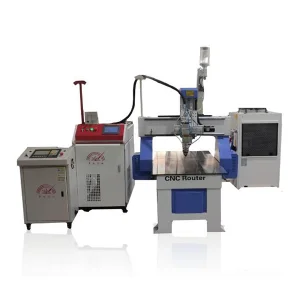
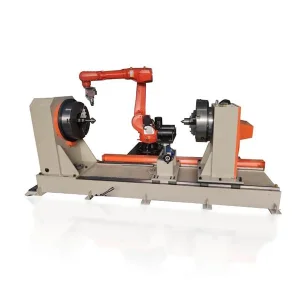
Additionally, combining laser cladding with multi-axis CNC gantries or robotic arms (additive manufacturing hybridization) enables factories to print complete components from scratch or repair geometries that were previously impossible to salvage.
Shanghai Duomu's cladding machinery has successfully integrated into various sectors worldwide
Protecting cultivator shares, plow tips, and harvesting components from high-silicon sand abrasion in North African soils.
High-precision repairs on gas turbine blading, engine compressor disks, and complex structural components.
Providing wear-resistant overlays on stabilizing joints, downhole tools, and high-pressure valves handling corrosive crudes.
Hardfacing high-wear parts like guide plates, hot shear blades, and continuous casting rolls used in metallurgical plants.
Technical clarifications regarding PTA and laser cladding solutions for procurement and engineering leads
Unlike thermal spraying which relies on a mechanical bond, laser cladding creates a full metallurgical bond with the substrate. This ensures the clad layer will not delaminate or chip under high-pressure, high-shear downhole conditions common in Saharan drill fields. Additionally, the extremely low dilution rate preserves the exact properties of the wear alloy.
We provide comprehensive English and French documentation, remote commissioning assistance via secure channels, and video walk-throughs. For large-scale system deployments, we can coordinate field engineers to assist during the initial installation phase and conduct extensive on-site operator training on programming and powder parameter optimization.
For high stress abrasion, we recommend Nickel-based alloys blended with Tungsten Carbide (Ni-WC) or Cobalt-based Stellite alloys. These materials maintain exceptional hardness and structural integrity even under high impact forces and temperatures.
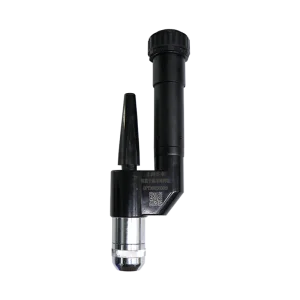
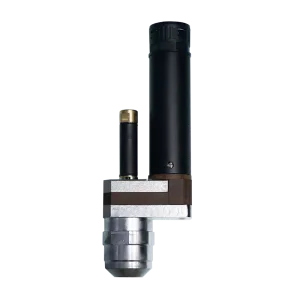
Yes. All Shanghai Duomu PTA and laser systems use standard powder specifications, meaning you can source consumables from either our logistics centers or any global supplier. Essential wear parts like nozzles and gas cups are kept in stock for immediate international dispatch.
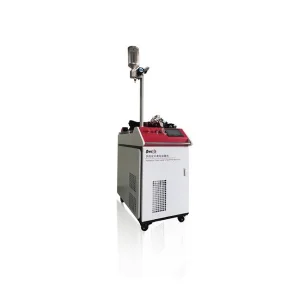
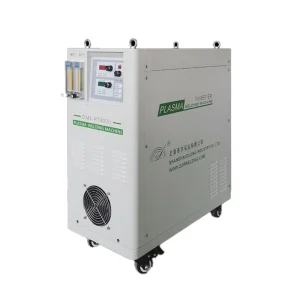
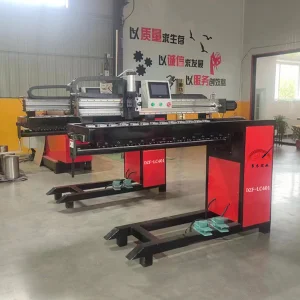
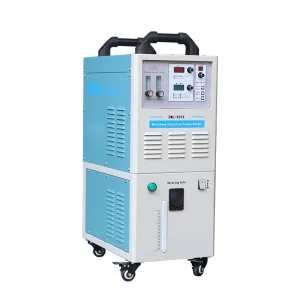
Heavy-duty industrial units for hardfacing, weld overlaying, and high-precision joint welding
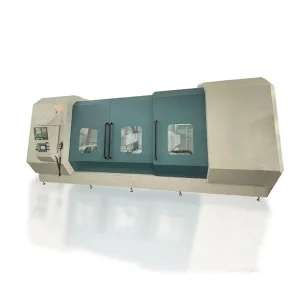
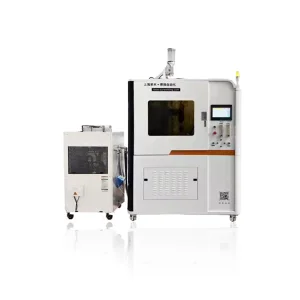
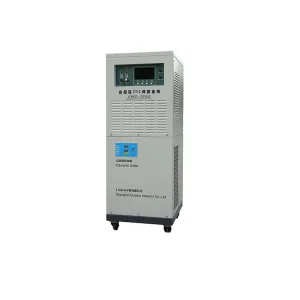
Highly customized system integrations for precise thermal processing applications
Operational documentation and surfacing application parameters developed by Shanghai Duomu’s technical department
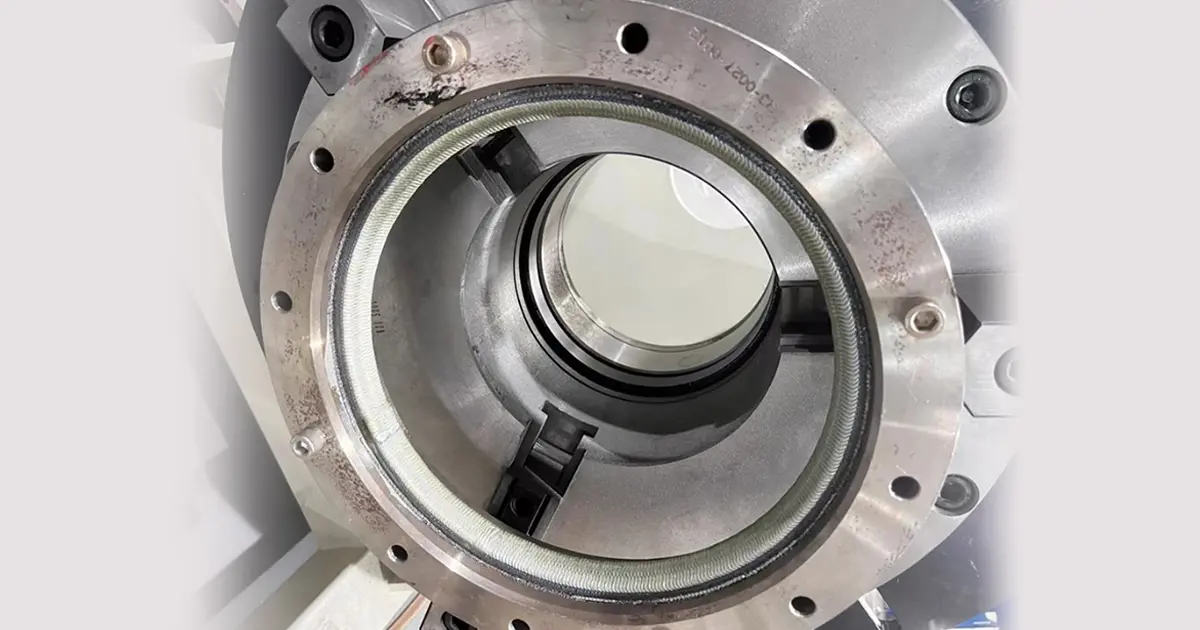
"The PTA Welding Valve Application Guide is not just a process choice for valve manufacturers facing high wear, high corrosion, and high-temperature erosion working conditions, but also a key path to improving product competitiveness. As petrochemical, municipal water, and refinery operations expand in Hassi Messaoud, using PTA ensures zero valve failure over extended maintenance cycles."
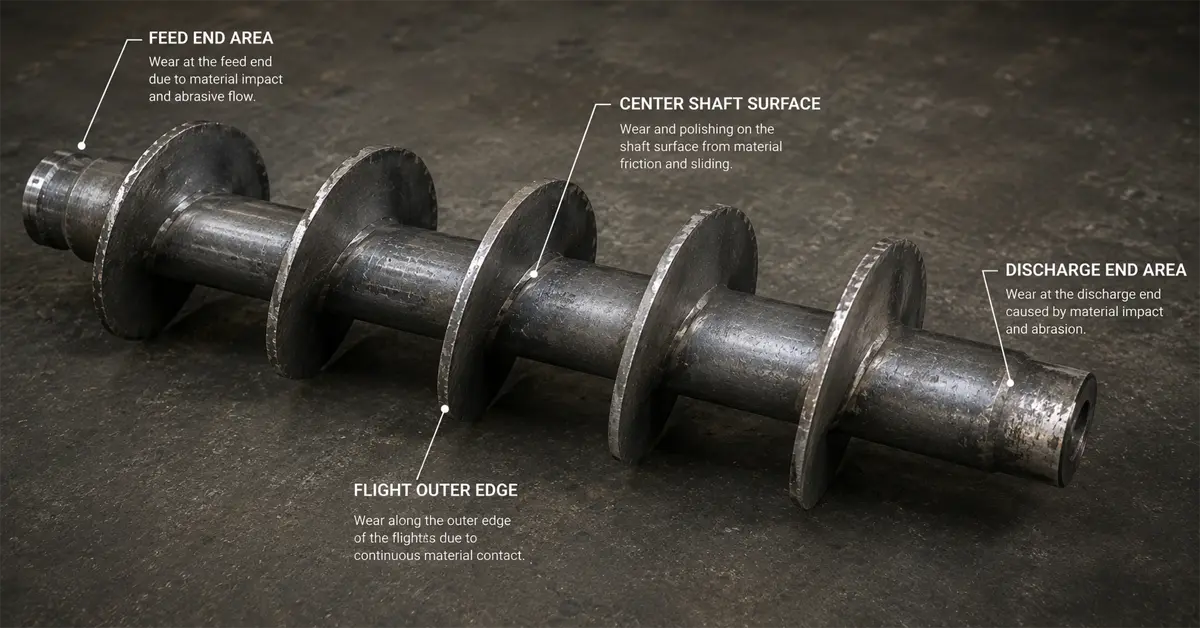
"In industries such as mining, cement, power generation, steelmaking, chemical processing, and biomass energy, screw conveyors are often regarded as auxiliary equipment. However, maintenance data shows that they are among the most frequent causes of unplanned production shutdowns. Applying a tungsten carbide cladding layer onto flight profiles mitigates abrasive erosion."
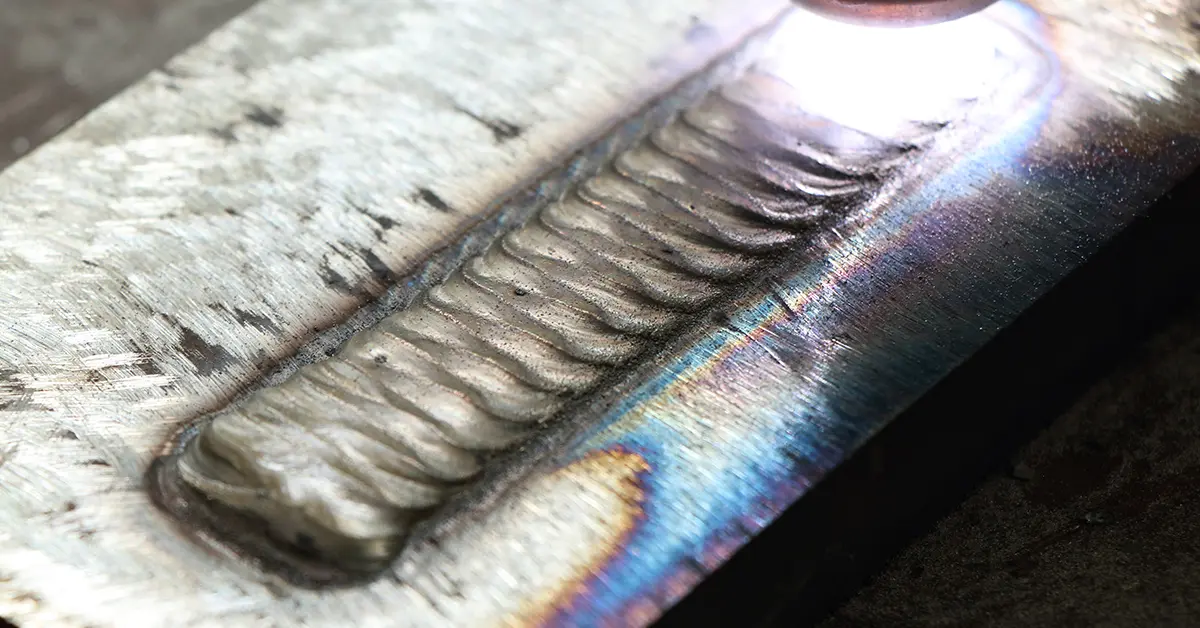
"In Plasma Transferred Arc (PTA) hardfacing, achieving a high-quality overlay is not only about selecting the right alloy powder or optimizing welding parameters. One of the most critical factors that directly affects overlay performance is the dilution rate. Keeping dilution below 10% ensures the clad material retains its full alloying element configuration."
Shanghai Duomu has been a leading manufacturer and exporter of PTA cladding systems and Laser cladding machinery for more than ten years. Backed by a strong technical background and our independent R&D team, we develop, produce, and distribute state-of-the-art surfacing equipment designed for continuous, long-term operations.
We have established mature technological processes to provide complete sets of industrial equipment solutions, offering customized automation, robotic integration, and localized technical training programs to ensure your manufacturing and repair teams achieve absolute precision.
Learn More About UsGlobal Engineering Affiliates & Certifications



Contact Shanghai Duomu's engineering team to request custom hardware specifications, wear testing reports, and specific implementation pricing models for the Algerian market.
Connect With Our Engineering Department Duomu
Duomu