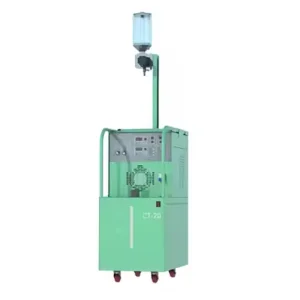
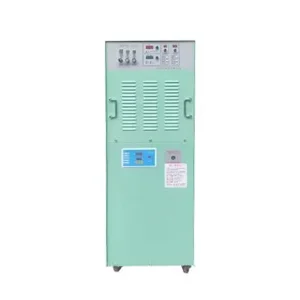
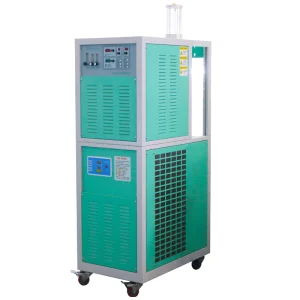
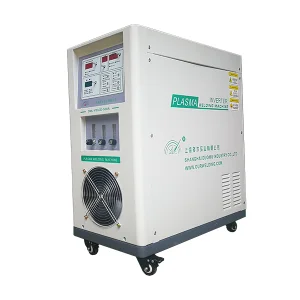
Engineered for high dilution control, minimal heat input, and maximum substrate integrity. Sourced directly from our state-of-the-art manufacturing factory.
An Executive Analysis of Surface Modification, Wear Prevention, and Strategic Component Remanufacturing.
Australia’s primary industries—specifically mining, offshore oil and gas, heavy rail transport, and high-yield agriculture—operate under some of the most aggressive environmental and mechanical conditions globally. Components such as hydraulic piston rods, mineral processing drill collars, slurry pump impellers, and agricultural tillage tools are constantly subjected to severe sliding wear, abrasive erosion, high-temperature oxidation, and corrosive chemical attack.
Historically, the default solution for restoring worn components or providing surface protection was hard chromium electroplating or conventional arc welding (such as MIG or TIG hardfacing). However, changing regulatory frameworks and critical performance limitations have driven a massive industry paradigm shift. Hard chrome plating is increasingly restricted worldwide due to the environmental and health hazards associated with hexavalent chromium. Simultaneously, conventional arc welding methods expose the base substrate to extreme heat input, resulting in a large Heat-Affected Zone (HAZ), severe component distortion, and high dilution rates (often 15% to 30%), which degrade the properties of the deposited alloy.
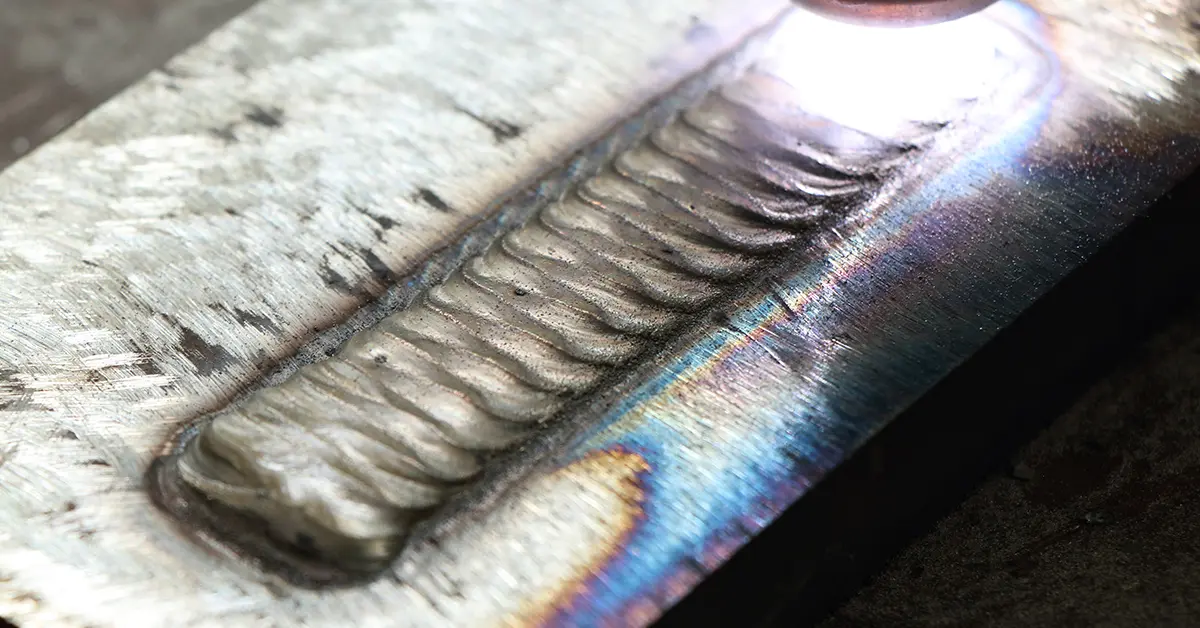
Laser cladding—a subset of additive manufacturing also known as Directed Energy Deposition (DED)—utilizes a high-power, focused laser beam as the heat source to melt a feedstock material (typically metal powder or wire) onto a substrate. Because the laser energy is highly localized, the substrate surface is melted only minimally, ensuring a true metallurgical bond with an exceptionally low dilution rate (typically under 5%). This guarantees that the deposited cladding layer retains its full wear and corrosion-resistant alloy chemistry without contamination from the base metal.
On a global scale, the industrial laser cladding market is experiencing a double-digit compound annual growth rate (CAGR), driven by the aerospace, automotive, and power generation sectors. Modern factories are moving rapidly toward multi-axis robotic gantry systems that integrate real-time optical closed-loop monitoring to verify the clad track geometry and thermal profile dynamically.
In Australia, the commercial drivers are distinct. Due to the country's vast geographic footprint and remote operations (e.g., the Pilbara iron ore mines in Western Australia or the Bowen Basin coal mines in Queensland), logistics and supply chain disruptions represent major operational risks. Waiting weeks or months for replacement parts from overseas OEMs can cost mine operators hundreds of thousands of dollars per hour in unplanned downtime. Consequently, local engineering service workshops and heavy manufacturing facilities are investing heavily in establishing localized remanufacturing capabilities. By using advanced laser cladding systems, Australian enterprises can rebuild critical wear components to original OEM dimensions—or even upgrade them with superior superalloys—at a fraction of the cost and lead time of sourcing a new part.
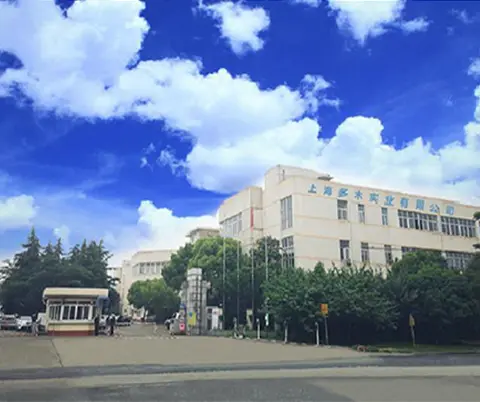
Shanghai Duomu has been a leading manufacturer and exporter of PTA cladding machine and Laser cladding machine for more than ten years with a strong technical background. Our systems are deployed globally, helping heavy industrial engineering firms automate their surface rebuilding and hardfacing lines with extreme precision.
By integrating advanced laser delivery optics, high-precision powder feeders, and robust multi-axis CNC gantries, we supply equipment that satisfies the strict requirements of international industrial standards. Whether you operate a dedicated job shop in Perth or a heavy equipment rebuild factory in Brisbane, our machines provide the performance, reliability, and cost advantages needed to remain competitive.
Get in Touch with our EngineersYears of R&D Excellence
Low Dilution Rate
Material Utilization Rate
Industrial Duty Cycle
We maintain an independent R&D team which develops, produces, and sells plasma cladding machine equipment and high-power laser cladding systems. The welding systems feature high-stability power supplies and robust thermal management to maintain efficient long-term operations under continuous industrial shifts.
In addition, the laser cladding equipment sold by the company can effectively support large-scale remanufacturing projects. We have developed mature technological means to provide complete sets of industrial equipment solutions, including customization of laser power (from 2kW to 20kW), multi-axis robotic configurations, and special cladding heads designed for internal diameter (ID) cladding of tubes and cylinders.
Our systems support advanced powder delivery methods, including coaxial and off-axis powder nozzles, ensuring maximum powder efficiency and uniform deposition tracks. With options to integrate Siemens CNC platforms or customized industrial robotics, we adapt our cladding configurations to suit your floor space and process workflows.
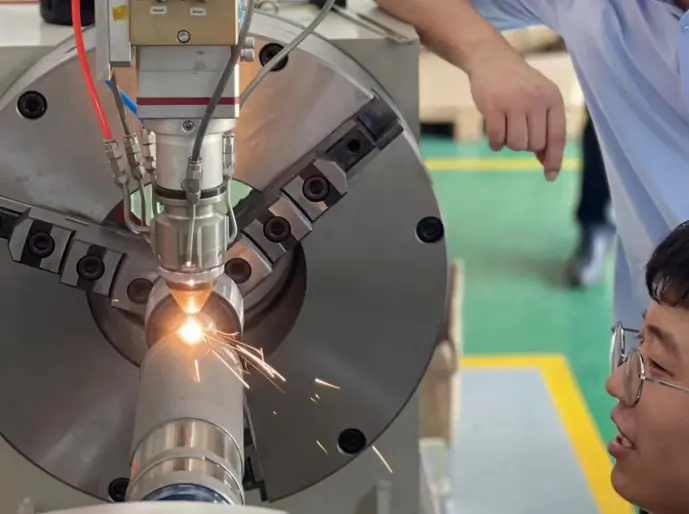
Our cladding solutions are deployed globally to increase the service life and durability of components across high-impact and highly corrosive sectors.


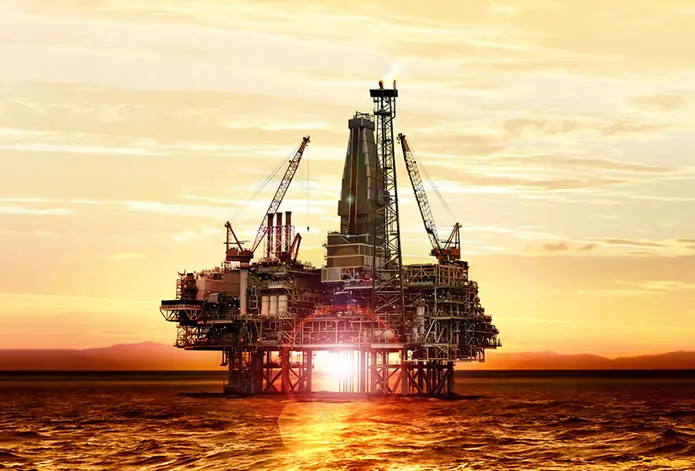
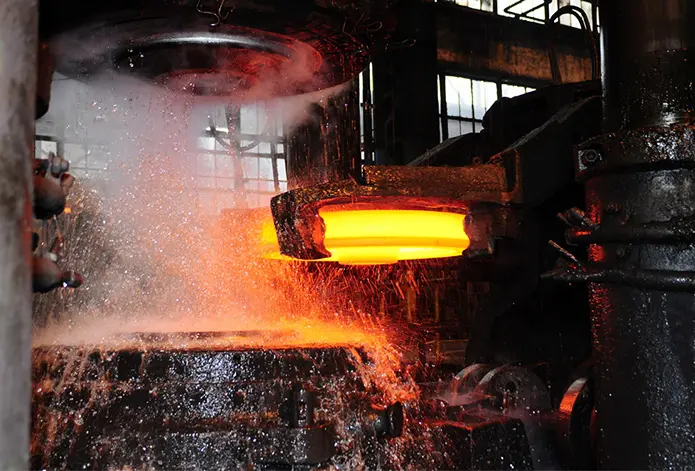
Custom-built and standard automated systems tailored for specific industrial repair and manufacturing tasks.
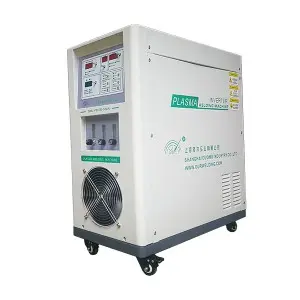
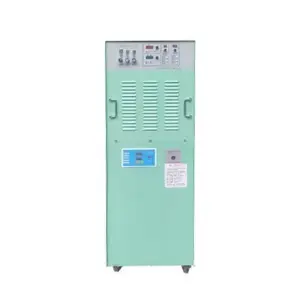
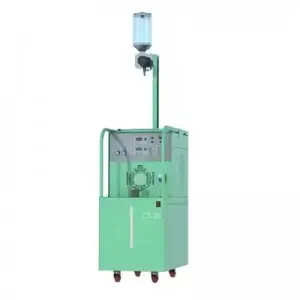
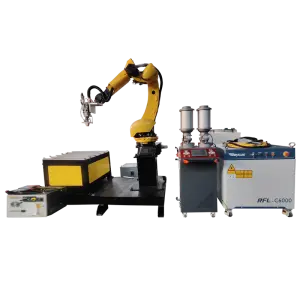
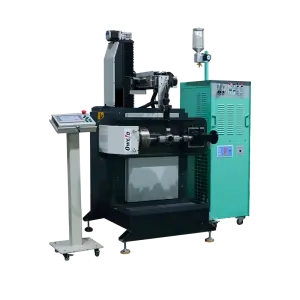
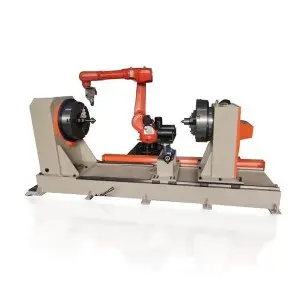
How Shanghai Duomu balances high-end industrial component engineering with highly optimized production economics.
For industrial buyers in Australia, procurement decisions around capital machinery involve a rigorous analysis of Total Cost of Ownership (TCO), lead times, and post-sale technical integration. Sourcing laser cladding systems directly from our factory in China offers significant strategic advantages. Over the past decade, China has built the world’s most comprehensive industrial laser supply chain ecosystem. From high-stability fiber laser sources and precise optical collimators to multi-axis CNC gantry platforms, every critical component is built, tested, and integrated locally, minimizing third-party markup costs.
Our factory optimizes production efficiency through standardized modular designs and advanced vertical integration. By handling structural machining, optical alignment, and software programming under one roof, we eliminate production bottlenecks common to fragmented manufacturing processes. This structural efficiency allows us to deliver high-performance, industrial-grade systems at capital expenditure levels that allow rapid ROI for Australian job shops and resource companies.
Our systems are designed to process a wide range of substrates, including low-carbon structural steels, medium-carbon steels (such as 4140 and 4340), tool steels, cast iron, and various grades of stainless steel (such as 316L and 420). Common cladding powders used in our systems include:
• Iron-based alloys: Cost-effective rebuilds requiring moderate wear and impact resistance.
• Cobalt-based alloys (Stellite 6 / Stellite 12): Excellent hot-hardness and resistance to galling, cavitation, and thermal shock.
• Nickel-based alloys (Inconel 625 / Colmonoy): Outstanding corrosion and oxidation resistance in offshore and marine environments.
• Metal Matrix Composites (Tungsten Carbide + Ni/Fe matrix): Extreme abrasive wear resistance, critical for mining picks, drill stabilizers, and earthmoving buckets.
The surface engineering industry is moving rapidly toward Ultra-High-Speed Laser Cladding (EHLA). In conventional laser cladding, the powder melts in the melt pool on the substrate surface, which limits the travel speed to approximately 0.5 to 2.0 meters per minute. In contrast, high-speed cladding melts the powder particles while they are still in flight within the laser beam, creating a thin, fully dense, metallurgically bonded layer at linear speeds of up to 100 meters per minute. This technique reduces heat input to the substrate to negligible levels, making it ideal for thin-walled components like hydraulic cylinders and rotors, and offering a viable, high-rate alternative to hard chrome plating.
Simultaneously, the integration of artificial intelligence and machine learning algorithms in modern laser cladding controllers is revolutionizing quality control. Real-time optical sensors monitor the width of the melt pool, its temperature, and the feed rate of the powder. If any deviations occur due to uneven substrate thickness or thermal accumulation, the system dynamically adjusts the laser output power or travel speed to maintain a uniform, defect-free deposition, minimizing the need for manual grinding or post-weld NDT inspection.
Read about metallurgical challenges, process designs, and real-world results using our hardfacing technologies.
"The PTA Welding Valve Application Guide is not just a process choice for valve manufacturers facing high wear, high corrosion, and high-temperature erosion working conditions, but also a key path to improving product competitiveness. As industries such as petrochemical, ..."
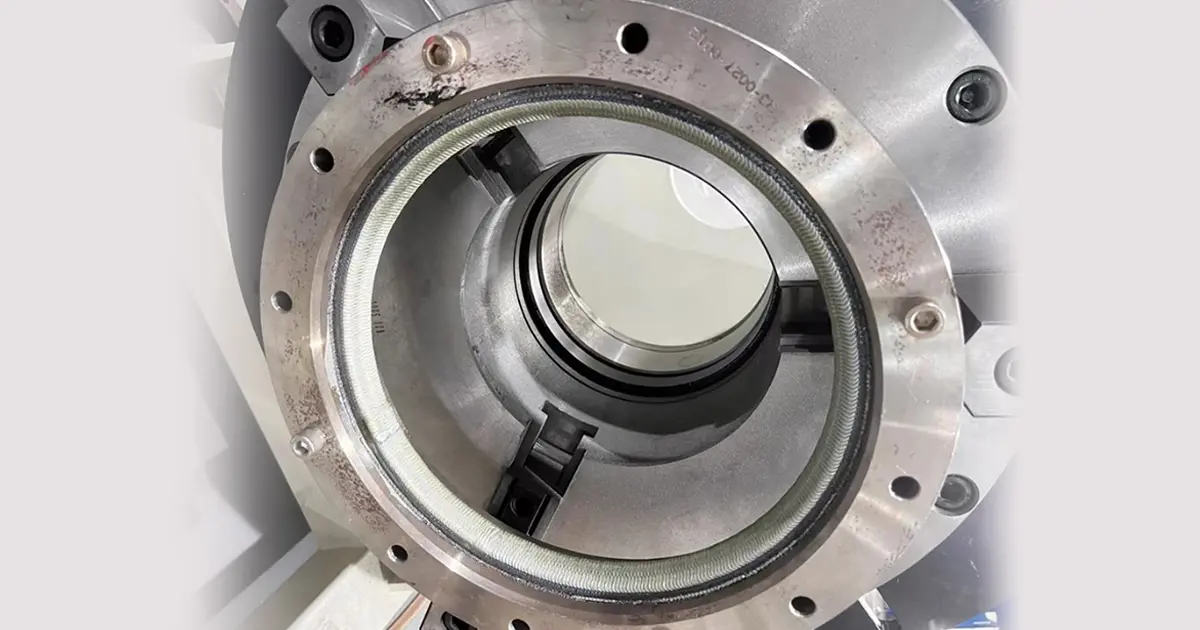
"In industries such as mining, cement, power generation, steelmaking, chemical processing, and biomass energy, screw conveyors are often regarded as auxiliary equipment. However, maintenance data shows that they are among the most frequent causes of unplanned production d..."
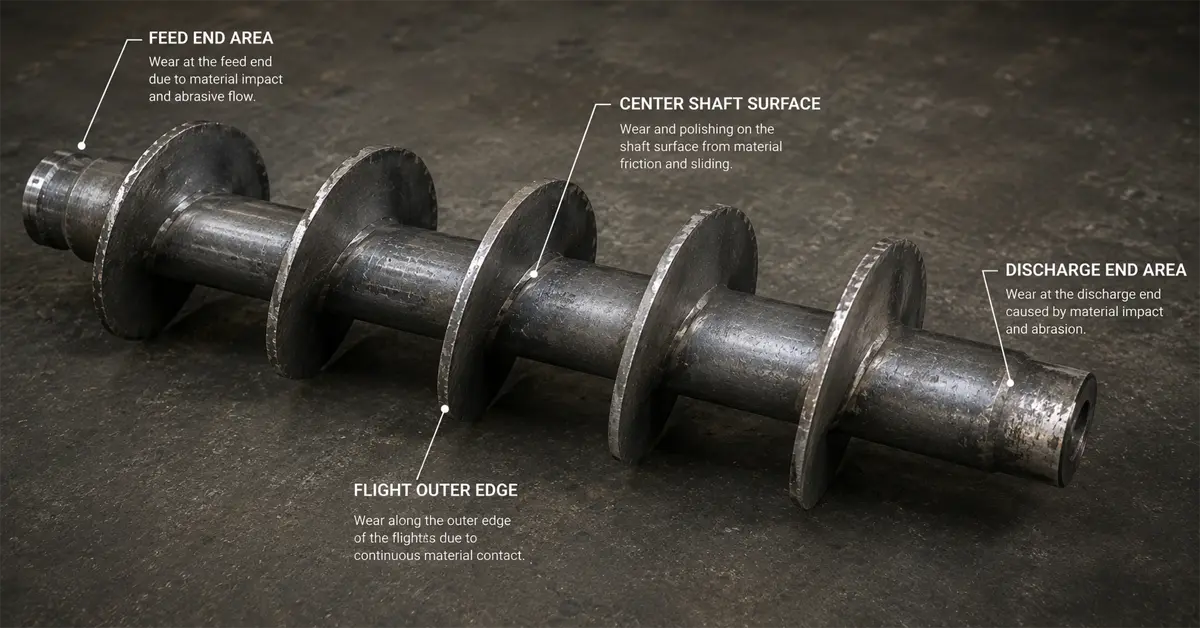
"In Plasma Transferred Arc (PTA) hardfacing, achieving a high-quality overlay is not only about selecting the right alloy powder or optimizing welding parameters. One of the most critical factors that directly affects overlay performance is the dilution rate. Whether you ..."
Providing expert answers to key engineering and procurement queries regarding additive manufacturing and surface cladding systems.
The core difference lies in the heat source and energy concentration. Laser cladding uses a focused laser beam, which delivers exceptionally high energy density, allowing for high travel speeds and a very small heat-affected zone (HAZ) with low dilution (typically under 5%). PTA welding uses a plasma arc, which yields a higher deposition rate and lower capital cost, but introduces more heat input into the component, resulting in higher dilution (10% to 15%) and potential thermal distortion.
Thermal spray technologies provide a mechanical or physical bond to the substrate, which can delaminate under high shear stress or point impacts. Laser cladding creates a true metallurgical bond by micro-melting the substrate surface. This structure is highly resistant to impact and thermal cycling, and eliminates the risk of coating peel or delamination.
Yes, we specialize in customization. We engineer and build automatic gantry systems, pick cladding systems, gantry positioners, and gantry rail lengths to handle heavy, large-scale mining components. We can integrate different CNC controls, laser heads, and multi-axis positioners to match specific components like hydraulic cylinder rods, heavy rollers, and rotary drill rods.
The dilution rate is controlled by balancing the laser power density, scanning speed, powder feed rate, and the overlap percentage between adjacent tracks. Our systems feature high-precision CNC controls and digital powder feeders, allowing operators to fine-tune these variables to keep the dilution rate under 5% while maintaining deposition rate stability.
Yes, our portable laser cladding welding systems are designed specifically for on-site repairs. By mounting compact fiber laser heads and lightweight control cabinets onto mobile platforms or robotic arms, engineering teams can perform precision cladding directly on heavy equipment, without the costly disassembly and transport of massive industrial assemblies.
Every cladding system manufactured by Shanghai Duomu undergoes rigorous factory testing. We perform continuous-burn testing of the laser sources, verify optical alignment accuracy using laser power meters, and test multi-axis CNC movements. We also conduct metallographic inspections on test cladding runs to verify that the dilution rates, cladding density, and hardness values meet the targeted engineering specifications before shipment.
Choose from our verified lineup of high-precision plasma arc and laser cladding systems, manufactured to international standards.
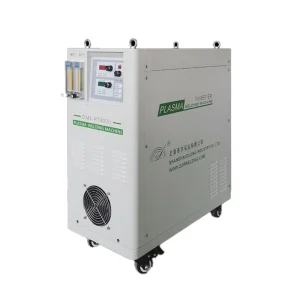
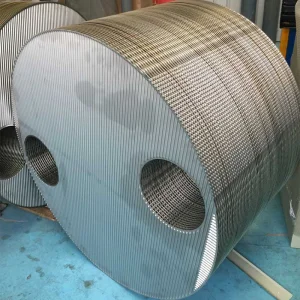
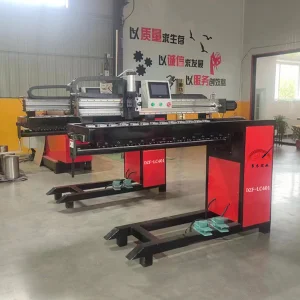
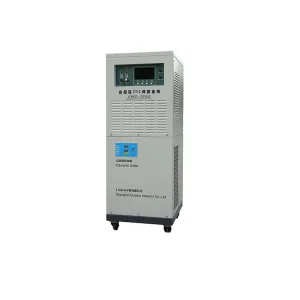
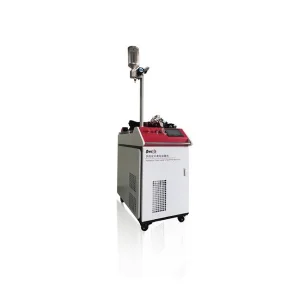
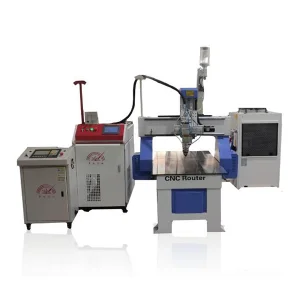
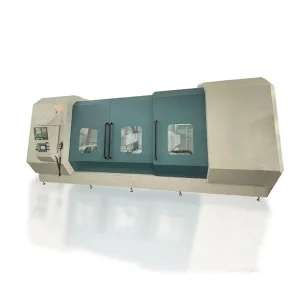
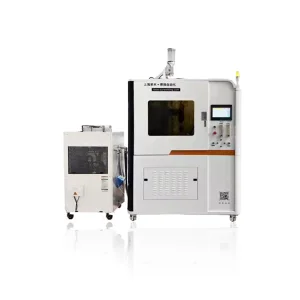
Completing our cladding and hardfacing solutions for high accuracy wear-resistant applications.
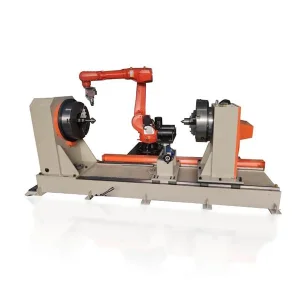
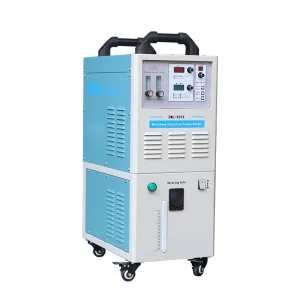
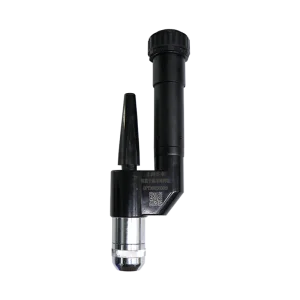






For inquiries about our products, parameters, or custom equipment configurations, leave us a message. Our technical sales engineers will reach out within 24 hours to provide a comprehensive response.
Send Inquiry Now Duomu
Duomu