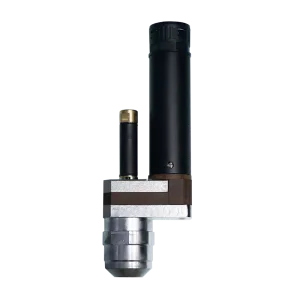
Advanced plasma and laser surfacing systems deployed across Spain's manufacturing hubs from Bilbao to Seville.
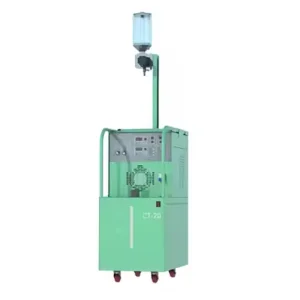
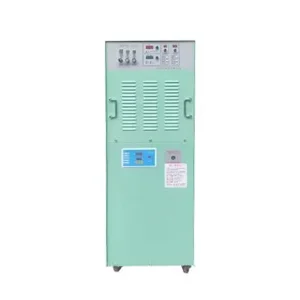
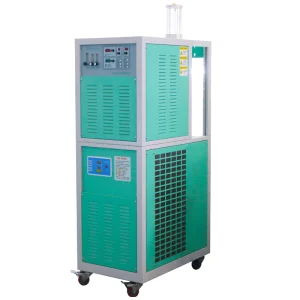
Spain is a major manufacturing hub in Europe. Strong industrial sectors like automotive (in Catalonia and Galicia), aerospace (in Andalusia and Madrid), shipbuilding (in Galicia and Cadiz), and wind energy generation (nationwide) drive this success. These sectors face continuous challenges from mechanical wear, high temperatures, and chemical corrosion. Historically, traditional methods like thermal spraying, hard chroming, and arc welding were used to rebuild worn components. However, today's industrial standards require longer component lifespans, better efficiency, and lower carbon emissions.
Laser Cladding (Laser Metal Deposition - LMD) has emerged as a key technology for surface engineering. Using a focused laser beam, a thin layer of substrate is melted together with a target alloy powder (such as Cobalt, Nickel, or Tungsten Carbide). This process creates a fully metallurgical bond. The benefits are clear: a minimal Heat Affected Zone (HAZ), exceptionally low dilution rates (typically under 5%), and minimal distortion. For Spanish operators working in wind energy or maritime logistics, this means critical shafts, bearings, and hydraulic assemblies can be remanufactured and upgraded rather than scraped and replaced.
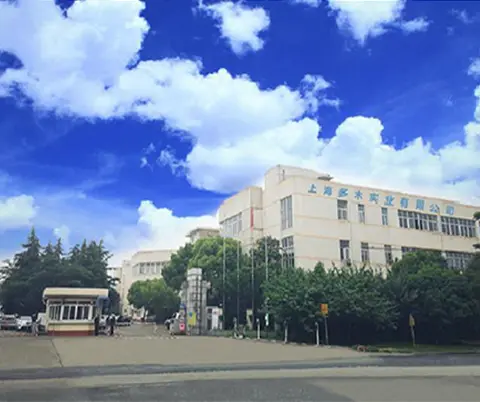
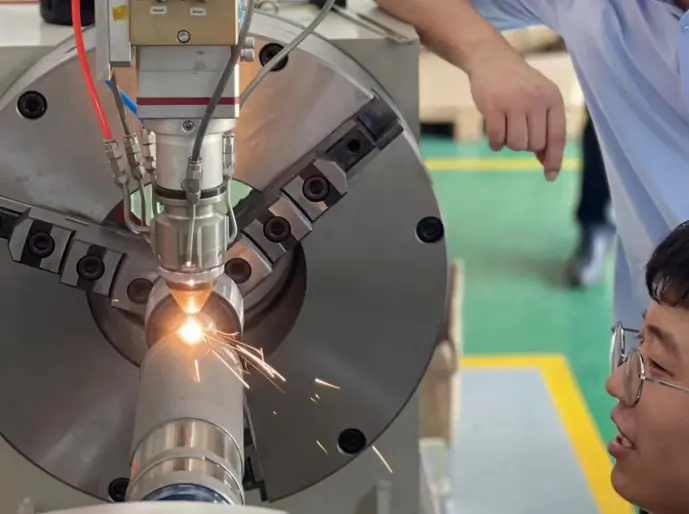
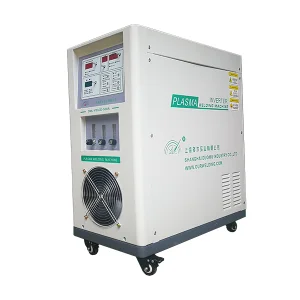
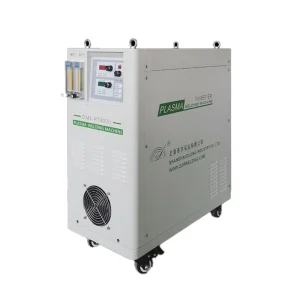
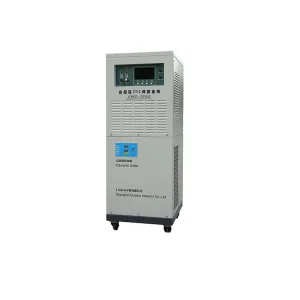
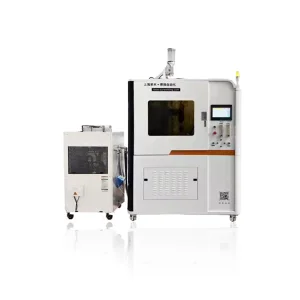
At Shanghai Duomu, we house an independent research and development team that designs, refines, and manufactures complete plasma and laser cladding systems. Our technology delivers stable performance and supports continuous, long-term industrial workflows. Our systems are optimized to handle large-scale surface modification and additive manufacturing projects.
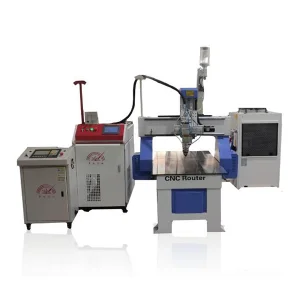
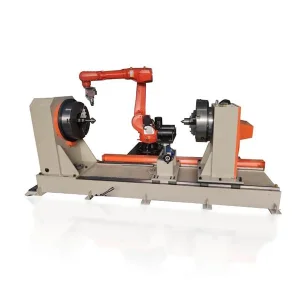
Through systematic engineering, we offer complete industrial packages. These integrate multi-axis CNC gantries, advanced robotics, precision powder feeders, and closed-loop control sensors. By combining high automation with user-friendly control software, our systems allow Spanish manufacturing companies to achieve repeatable, high-precision results on complex, curved geometries.
Industrial verification backed by global installations and advanced materials testing.
Shanghai Duomu has been a leading manufacturer and exporter of PTA (Plasma Transferred Arc) cladding machines and Laser cladding systems for over a decade. Backed by solid technical expertise and high-quality components, we deliver robust solutions globally.
We work closely with machinery builders, marine repair yards, and oil and gas maintenance providers across Spain (including the industrial regions of Catalonia, the Basque Country, and Andalusia). We help companies improve component durability, reduce maintenance downtime, and transition toward sustainable, circular-economy practices.
Custom cladding solutions configured for the specific operating conditions of Southern and Western Europe.


Evaluate key technical metrics to select the right cladding process for your Spanish production facility.
| Parameter / Feature | Laser Cladding (LMD) | Plasma Transferred Arc (PTA) | Thermal Spray (HVOF) |
|---|---|---|---|
| Bonding Quality | Metallurgical (High strength) | Metallurgical (High strength) | Mechanical / Adhesion (Lower strength) |
| Heat Input / Distortion | Extremely Low (Precise control) | Moderate (Higher than Laser) | Low (No melting of substrate) |
| Dilution Rate | < 5% (Preserves alloy purity) | 5% - 10% (Excellent protection) | 0% (No metallurgical mixing) |
| Coating Thickness (per pass) | 0.5 - 2.0 mm | 1.0 - 5.0 mm | 0.1 - 0.5 mm |
| Deposition Efficiency | High (Precise targeting) | Very High (Lower cost per kg) | Moderate (Higher overspray loss) |
| Typical Applications | Aerospace blades, turbines, precision shafts | Valves, wear plates, heavy mining drill parts | Anti-corrosion barriers, hydraulic pistons |
Our engineering team designs custom systems to meet specific process parameters. These systems include dedicated units for hydraulic rod and ball valve repairs.
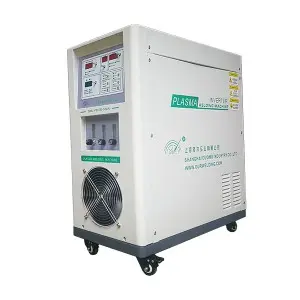
Designed for heavy-duty surface rebuilds, providing high deposition rates and consistent overlay thickness.
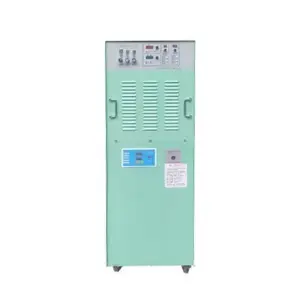
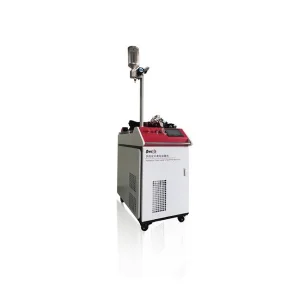
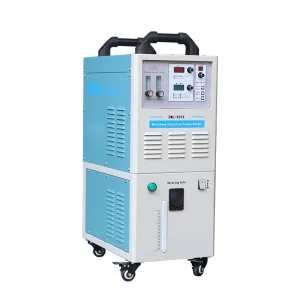
A compact system that integrates the power supply, powder feeder, and control unit into one mobile frame.
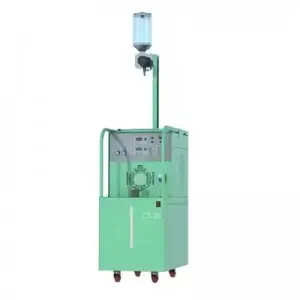
Versatile system for handling diverse wear-protection processes with quick adjustment setups.
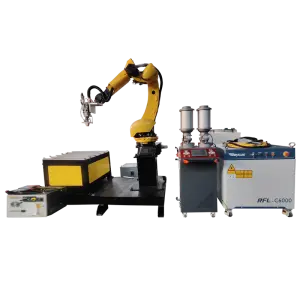
Highly precise laser system for restoring turbines and compressor blades with minimal distortion.
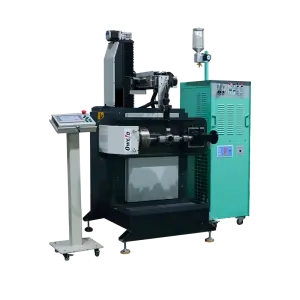
A specialized system with automated rotary positioning, engineered for sealing surfaces on industrial valves.
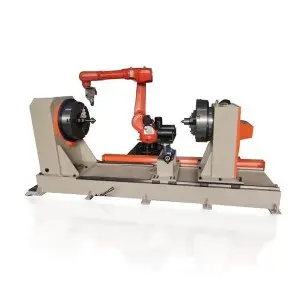
Features an articulated robot arm for selective hardening of large-scale automotive dies and complex tooling.
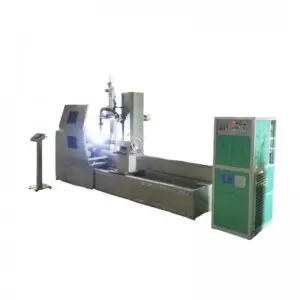
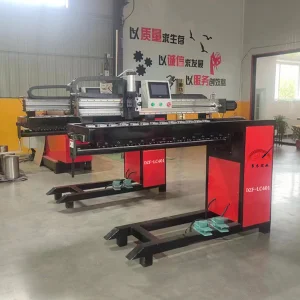
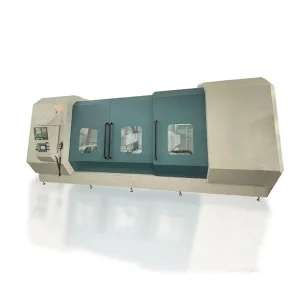
Specifically developed for linear shafts and hydraulic cylinder rods. Provides consistent metallurgical bonding over long surfaces. This system is widely used by maritime repair yards and industrial equipment rebuilders across Spain to replace traditional, environmentally hazardous hard chrome plating.
CE-Compliant hardfacing systems configured for Spanish industrial machinery rebuilders.
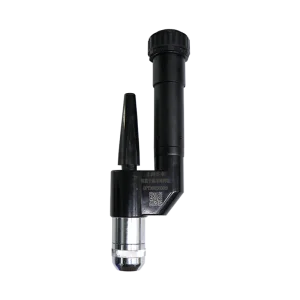
Reliable components and specialized robots for precision thermal surface engineering.
Combining R&D capacity with localized service integration in Spain.
Every industrial sector has specific requirements. Whether cladding large hydraulic shafts for Asturias maritime facilities or wind turbine planetary gears in Zaragoza, we customize our machines to meet exact power, motion, and control specifications.
Our cladding systems are fully compliant with EU machinery directives. Our engineering team ensures that every system shipped to Spain complies with CE marking standards, the Low Voltage Directive (2014/35/EU), and electromagnetic compatibility protocols.
Sourcing directly from our R&D and manufacturing facility in Shanghai offers significant cost efficiencies. We reinvest these savings directly into high-end laser diodes, premium CNC systems, and robust quality control, delivering competitive pricing without compromising reliability.
See how our systems perform in heavy-duty environments globally.
"The PTA Welding Valve Application Guide is not just a process choice for valve manufacturers facing high wear, high corrosion, and high-temperature erosion working conditions, but also a key path to improving product competitiveness. As industries such as petrochemical, gas, and power systems demand longer service intervals, automated PTA overlays have become critical."
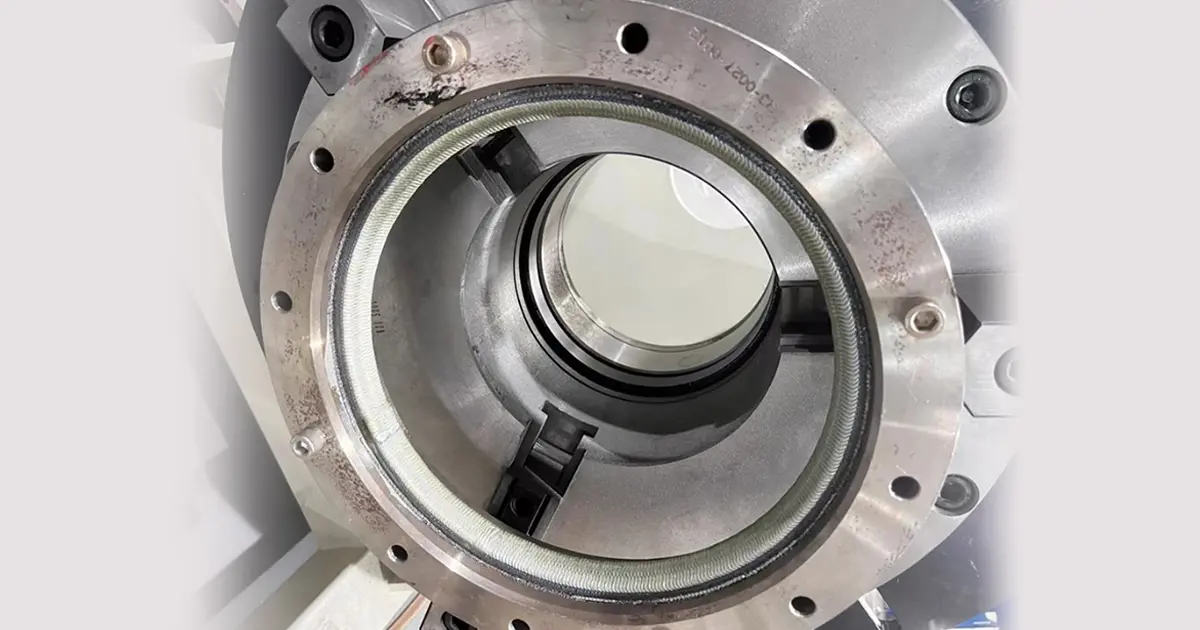 Valves Engineering Spain
"In industries such as mining, cement, power generation, steelmaking, chemical processing, and biomass energy, screw conveyors are often regarded as auxiliary equipment. However, maintenance data shows that they are among the most frequent causes of unplanned production downtime. Implementing automated plasma cladding extends shaft life by up to 300%."
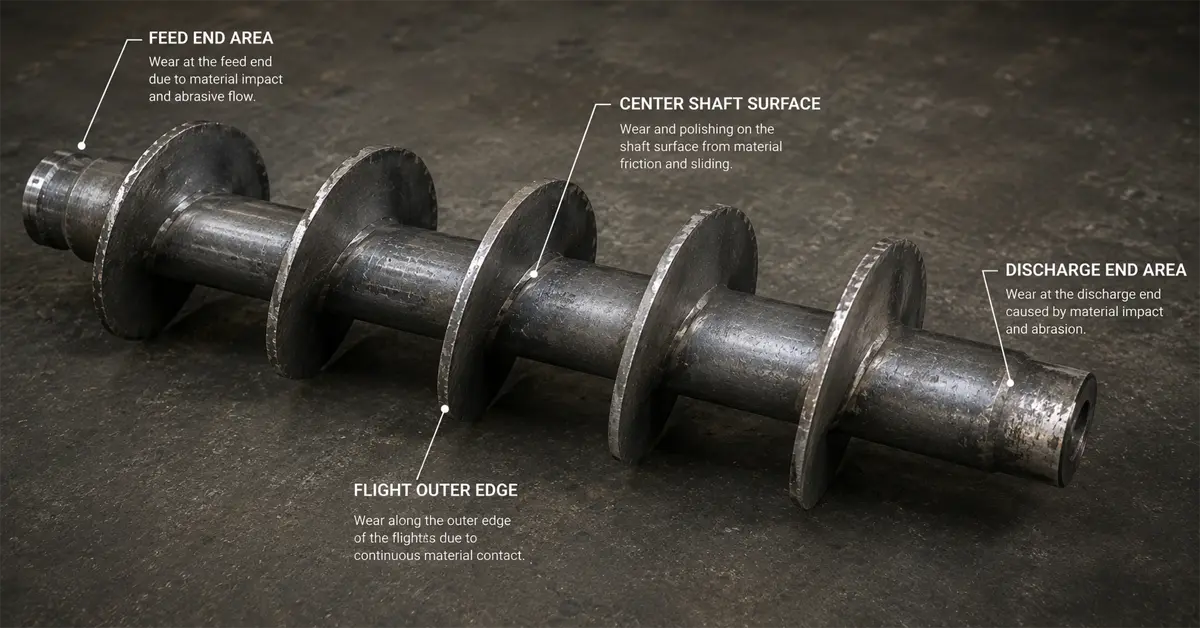 Bulk Handling Maintenance, Bilbao
"In Plasma Transferred Arc (PTA) hardfacing, achieving a high-quality overlay is not only about selecting the right alloy powder or optimizing welding parameters. One of the most critical factors that directly affects overlay performance is the dilution rate. Keeping the dilution rate low preserves the raw characteristics of the expensive cobalt or tungsten matrix."
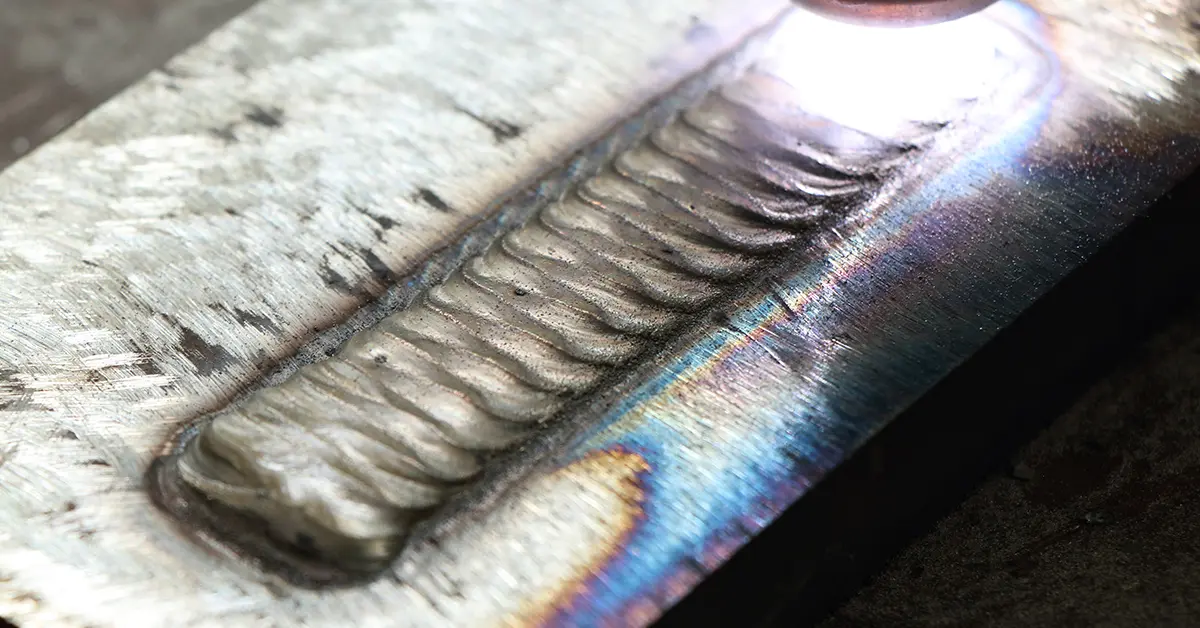 Metallurgical Integrity Lab, Seville
"In industries such as Oil & Gas, Mining, Power Generation, Cement, and Heavy Equipment Manufacturing, hardfacing is no longer just a repair process. It has become a critical technology directly related to equipment lifespan, downtime costs, maintenance frequency, and structural reliability under thermal and physical stresses."
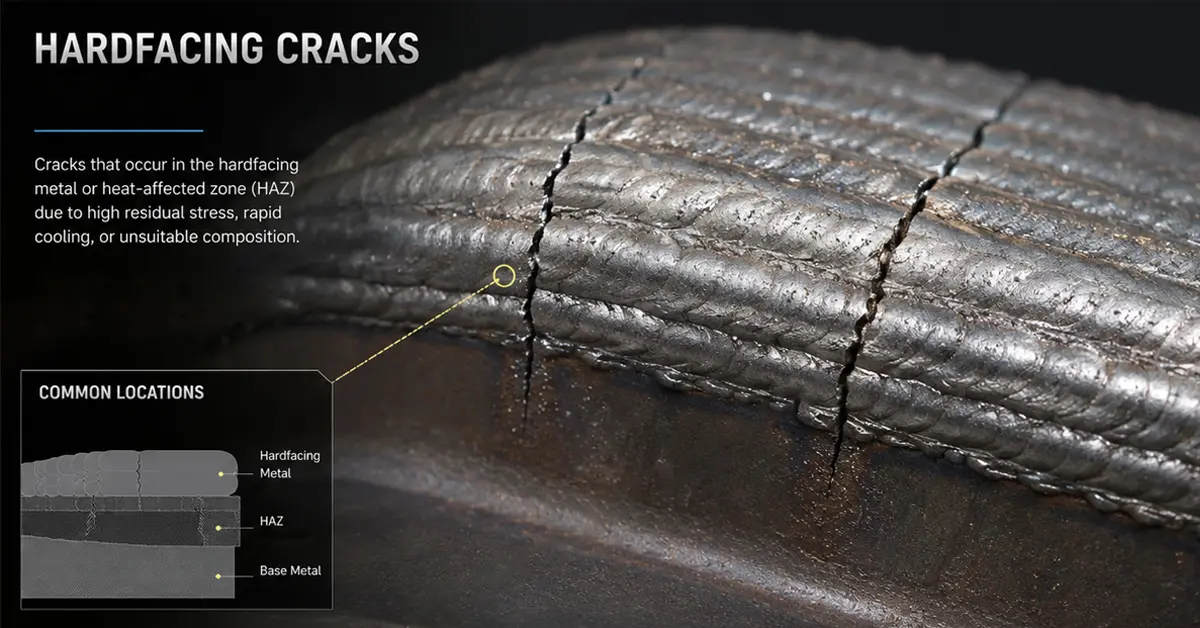 Heavy Equipment Maintenance Specialist
"In industries such as oil & gas, petrochemical, power generation, mining, and marine engineering, industrial valves are constantly exposed to severe operating conditions including high pressure, extreme temperatures, corrosive media, abrasive wear, and sand erosion."
 Petrochemical Infrastructure Division
Detailed technical answers to common queries from procurement managers and metallurgical engineers in Spain.
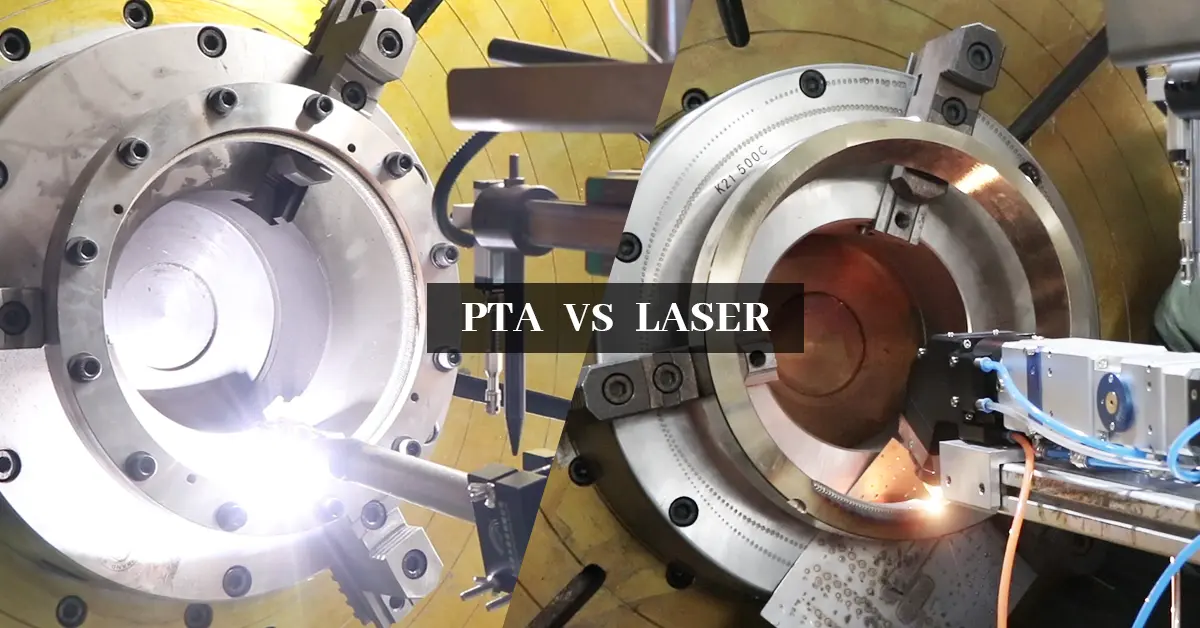
The primary difference lies in the heat source and energy density. Laser Cladding uses a highly focused laser beam, resulting in a minimal heat-affected zone (HAZ), exceptionally low dilution rates (<5%), and minimal mechanical distortion. PTA (Plasma Transferred Arc) uses a plasma arc as the heat source. While PTA provides higher deposition rates at a lower cost per kilogram, it introduces more heat into the component than laser cladding. Laser cladding is preferred for precision parts, while PTA is ideal for heavy-duty, thick-layer wear applications.
We provide comprehensive support for our Spanish clients. This includes detailed pre-shipment testing, comprehensive documentation, and remote validation. For installation and commissioning, we offer dual-path support: our engineers can travel directly to your facility in Spain, or we can work with our local European technical integration partners. We also provide operator training on CNC path programming, powder feeding configuration, and safety protocols.
We work with three main groups of powders: Cobalt-based alloys (like Stellite 6, 12, and 21) for high-temperature wear and corrosion resistance; Nickel-based alloys (such as Inconel 625 and Colmonoy series) for chemical and saltwater corrosion resistance; and Tungsten Carbide matrices (WC-Co or WC-Ni) for high abrasive wear environments like mining, dredging, and tunnel boring.
Yes. Customization is a core part of our business. We design and build specialized machinery, including automated hydraulic rod cladding systems (e.g., DYY-LC501), gantry-style laser cladding setups for large plates, and automated ball valve welding equipment (e.g., DQF-LC602) with dedicated rotating fixtures.
Contact our engineering team to discuss your application parameters, alloy requirements, and custom automation options. We will provide a detailed proposal within 24 hours.
Send Inquiry Now








 Duomu
Duomu