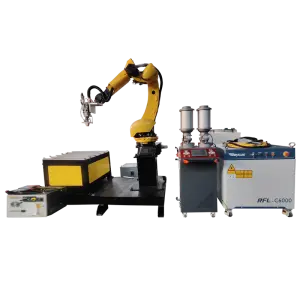
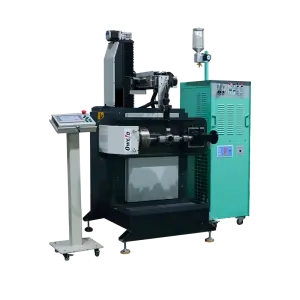
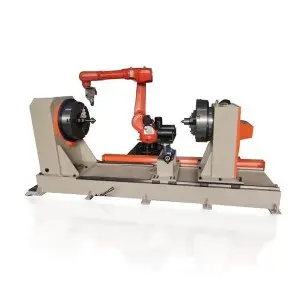
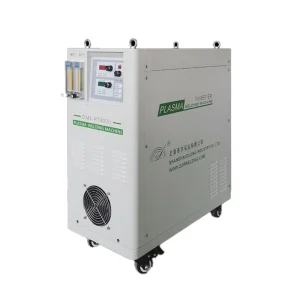
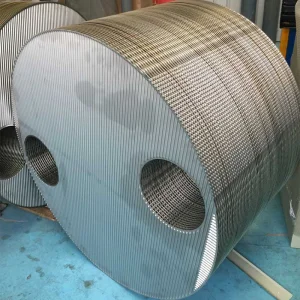
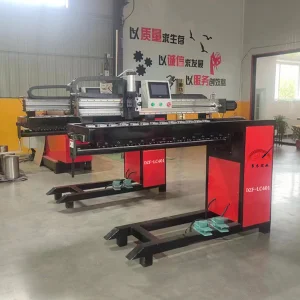
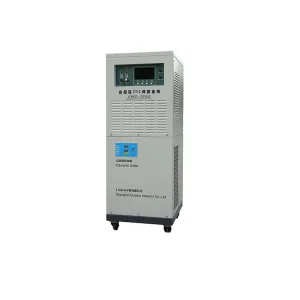
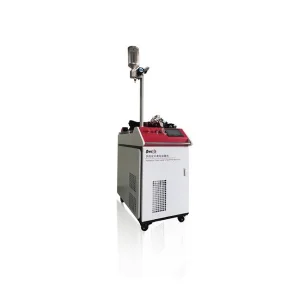
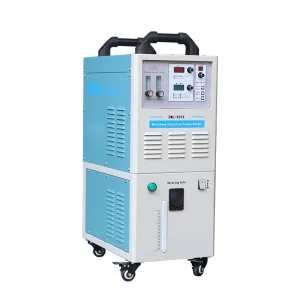
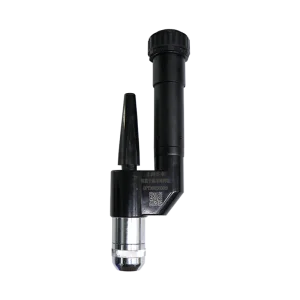
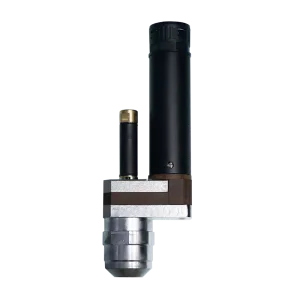
High-efficiency, custom-configured cladding systems designed to rebuild and protect critical industrial components against abrasive environments.
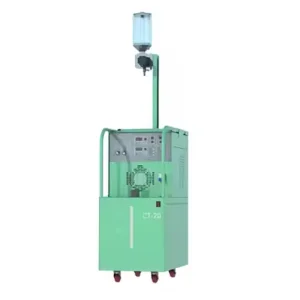
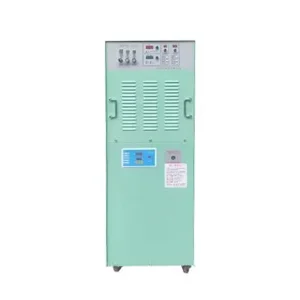
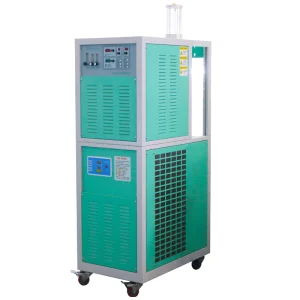
A technical guide to laser cladding, plasma transferred arc (PTA) systems, and supply chain resilience for Canadian heavy industry operations.
The Canadian heavy industrial sector represents some of the most punishing operating environments on Earth. In regions like the Athabasca oil sands in Alberta, heavy machinery and fluid handling systems must withstand massive abrasive wear combined with low temperatures (down to -40°C). Similarly, British Columbia's open-pit mining operations and Northern Ontario's mineral exploration projects put continuous mechanical stress on excavators, conveyor systems, and cutting picks. In these scenarios, components like hydraulic cylinders, slurry valves, and downhole drilling tools suffer from accelerated degradation.
Traditional repair processes like manual metal arc welding (MMAW) and thermal spraying are increasingly failing to meet the modern operational standard. Thermal spray overlays suffer from low bond strength (primarily mechanical adherence) and high porosity, making them vulnerable to delamination under heavy impact. Hard chromium plating, which was once the standard for hydraulic rod refurbishment, faces severe regulatory challenges in Canada due to the environmental and health impacts of hexavalent chromium (Cr6+).
This is where Laser Cladding and PTA (Plasma Transferred Arc) systems emerge as the definitive technical standard. By melting alloy powders and forming a metallurgical bond with the substrate, these advanced cladding processes provide a dense, pore-free barrier layer with a minimal Heat Affected Zone (HAZ) and exceptionally low dilution rates.
Superb adhesion that eliminates catastrophic coating delamination under impact.
Minimal distortion or thermal stress in structural elements like hydraulic rods.
Maintains purity of the clad layer (e.g. Stellite or Tungsten Carbide) in a single pass.
CNC and robotic systems guarantee repeatability and uniform layer depth.
Understanding the differences between Plasma Transferred Arc (PTA) and Laser Cladding is critical for Canadian procurement teams. While both methodologies utilize metal powders to create high-performance clad overlays, their energy delivery mechanics determine their fit for specific industrial contexts:
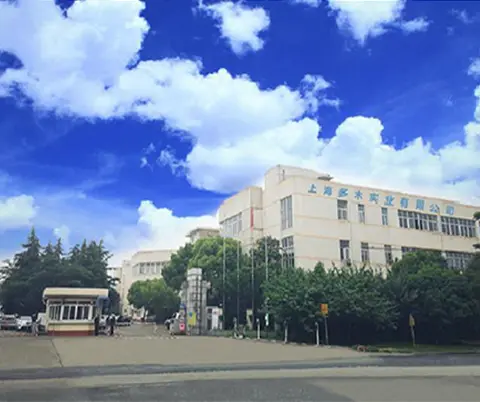
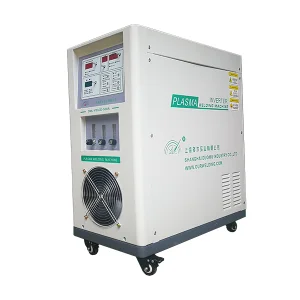
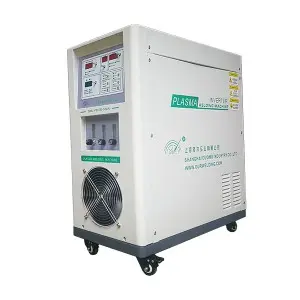
Shanghai Duomu has been a leading manufacturer and exporter of PTA cladding machine and Laser cladding machine for more than ten years with a strong technical background.
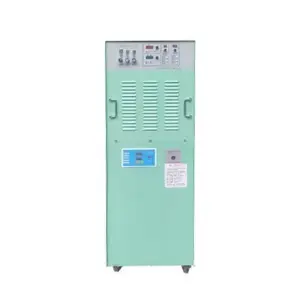
Our technical department features an independent R&D team that develops, produces, and sells high-performance plasma cladding machine equipment and advanced fiber laser systems. The welding and cladding platforms we build provide stable performance and are engineered to maintain efficient, long-term operation under heavy industrial demands.
Connect with R&D Team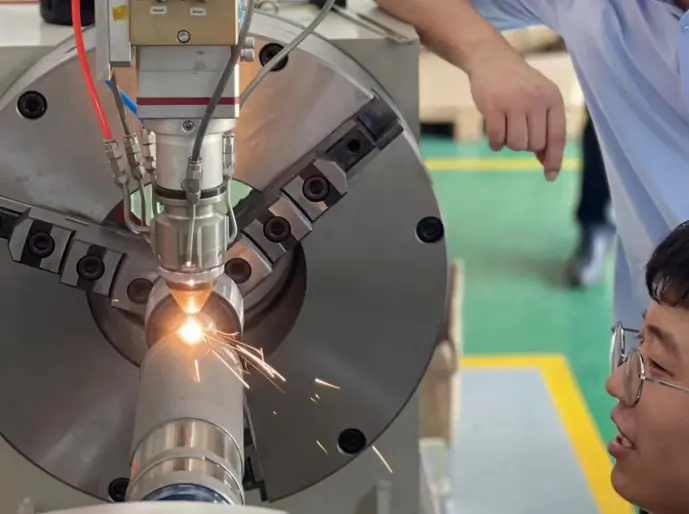
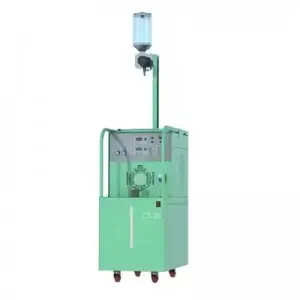
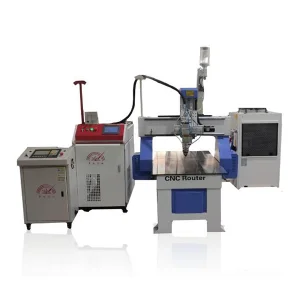
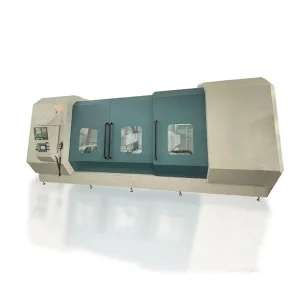
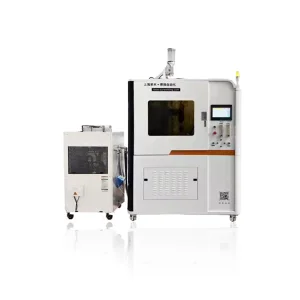
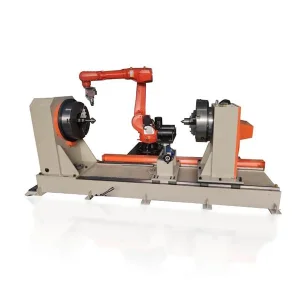
The laser cladding equipment developed by Shanghai Duomu effectively supports large-scale remanufacturing projects. We have mature technological means to provide complete sets of industrial equipment solutions, including gantry structures, robotic integration, and localized CNC components.
We can provide customized equipment, automatic laser cladding equipment, automatic plasma cladding equipment, and intelligent robot cladding setups based on strict Canadian regulatory and environmental requirements.
Our cladding solutions are active across major global industries, delivering unmatched reliability under extreme mechanical stress.



Global industrial suppliers must prove not just technical capability, but logistical and economic resilience. Partnering with a specialized Chinese manufacturer like Shanghai Duomu offers critical cost-to-performance and lead-time advantages that local Canadian system integrators struggle to match:
The selection of cladding powder dictates the failure mode resistance of the component. For the Canadian market, Duomu recommends several specific alloy combinations:
Specific automated cladding machinery designed for specialized component geometries, including turbine blades and ball valves.
Explore our complete industrial lineup, serving fabrication workshops and rebuilding centers across North America.
Fully compliant with Canadian industrial safety codes, providing replacement components and robotic cells for large operations.
Here is what surface engineers and equipment manufacturers say about integrating Duomu PTA and Laser hardfacing machines.
"The PTA Welding Valve Application Guide is not just a process choice for valve manufacturers facing high wear, high corrosion, and high-temperature erosion working conditions, but also a key path to improving product competitiveness. As industries such as petrochemical and thermal energy sectors scale, finding robust cladding setups that reduce repair cycles is critical."
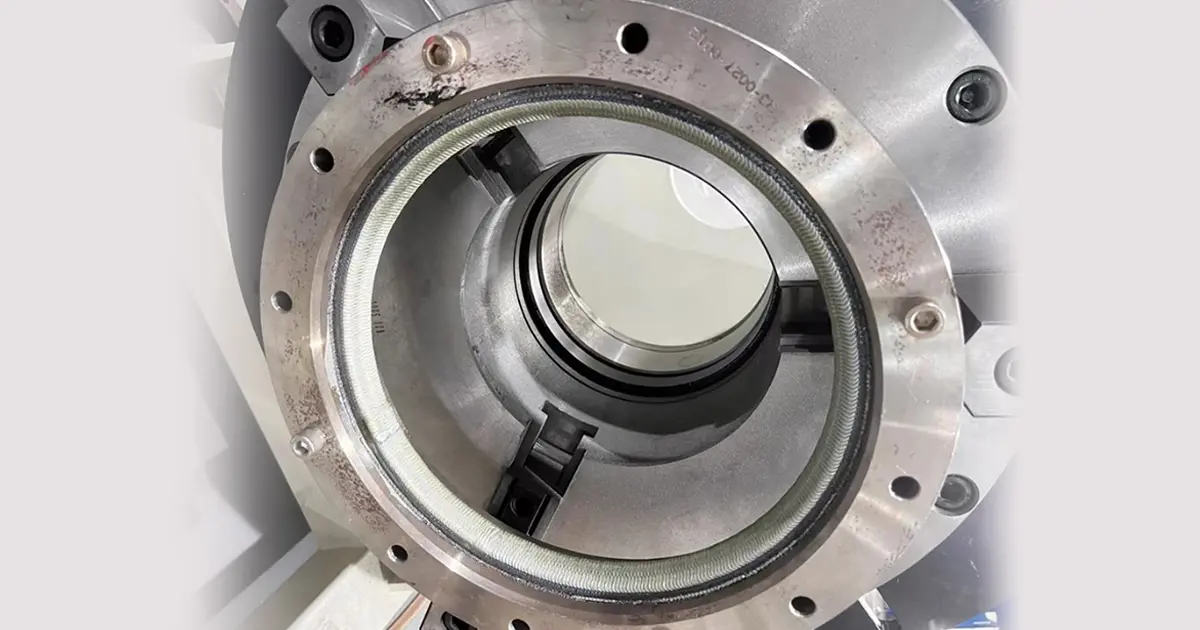
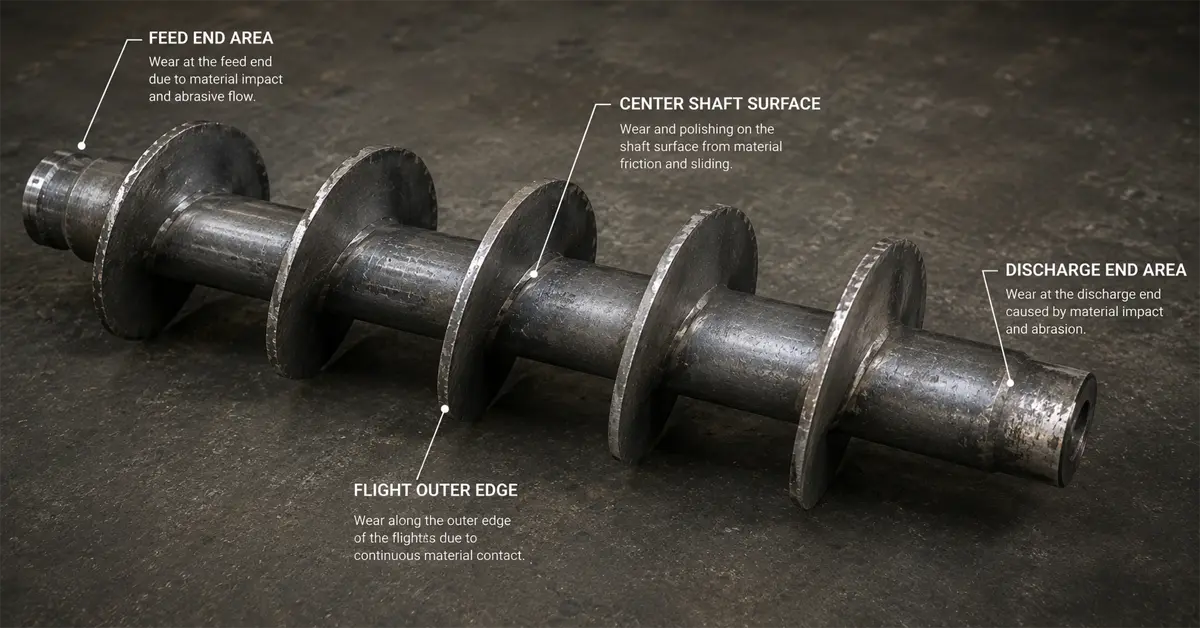
"In industries such as mining, cement, power generation, steelmaking, chemical processing, and biomass energy, screw conveyors are often regarded as auxiliary equipment. However, maintenance data shows that they are among the most frequent causes of unplanned production downtime. Laser cladding has resolved our screw fly wear issues."
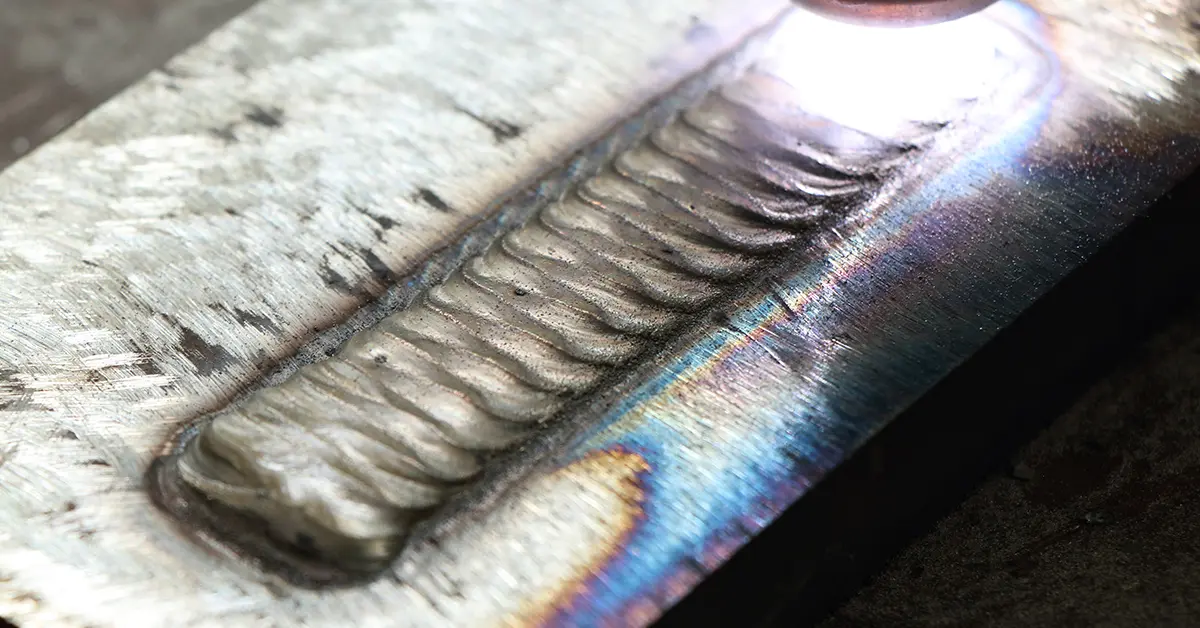
"In PTA hardfacing, achieving a high-quality overlay is not only about selecting the right alloy powder or optimizing welding parameters. One of the most critical factors that directly affects overlay performance is the dilution rate. Keeping dilution low is key to preserving carbide properties."




Get professional answers regarding metallurgical bonds, machinery customization, shipping, and installation support in Canada.
 Duomu
Duomu