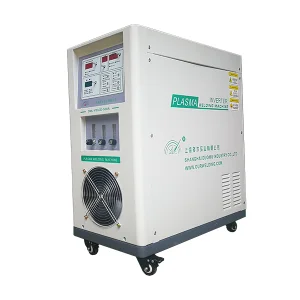
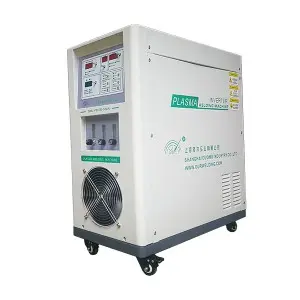
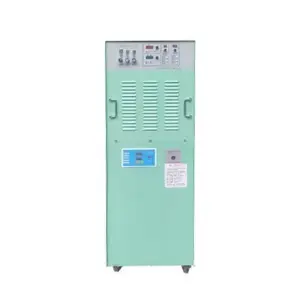
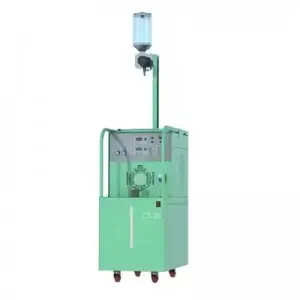
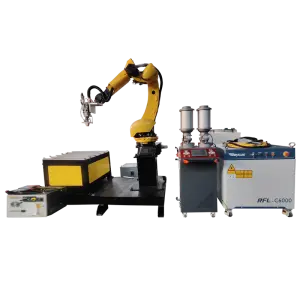
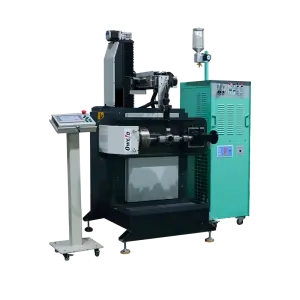
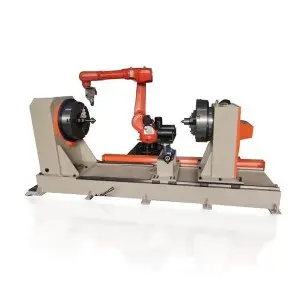
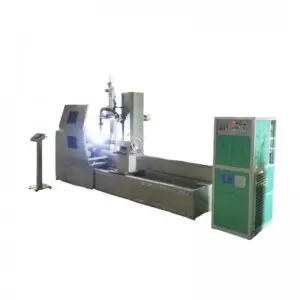
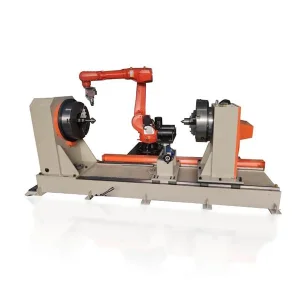
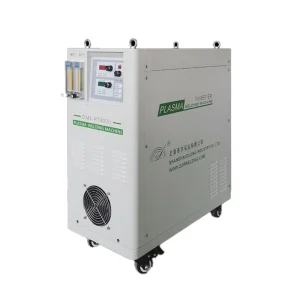
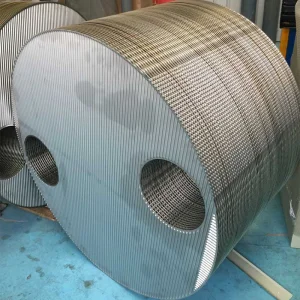
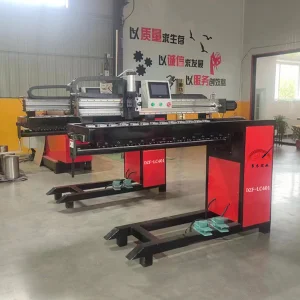
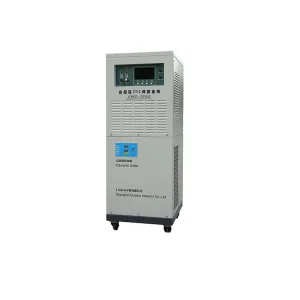
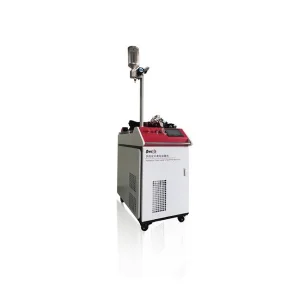
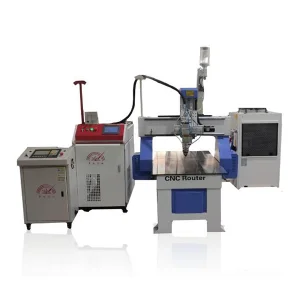
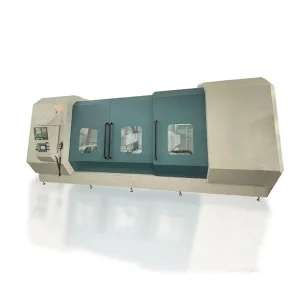
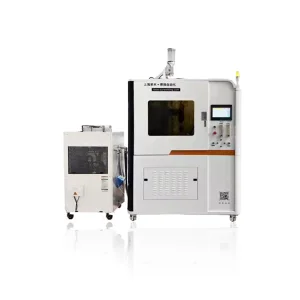
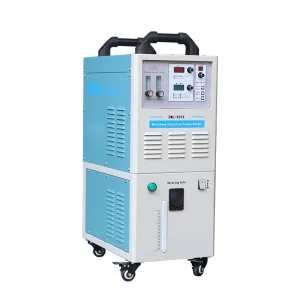
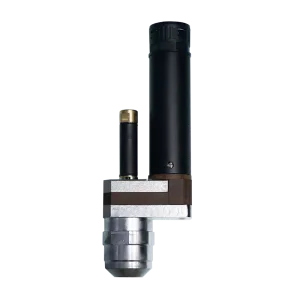
Primary configuration models optimized for fast deployment and integration into Mexican manufacturing lines.
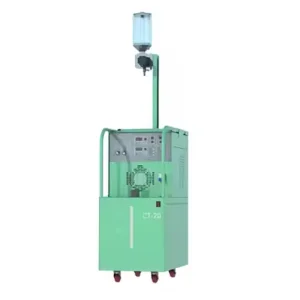
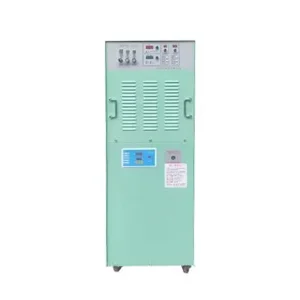
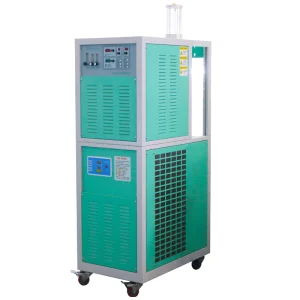
Mexico has emerged as one of the world's most dynamic manufacturing and nearshoring hubs, driven by the expansion of the automotive corridor in the Bajío region (Querétaro, Guanajuato, San Luis Potosí), aerospace manufacturing clusters, and heavy mining infrastructure across Chihuahua and Sonora. To maintain maximum uptime and strict production schedules under USMCA (T-MEC) frameworks, Tier-1 suppliers and industrial OEMs are increasingly adopting Laser Cladding and PTA (Plasma Transferred Arc) technologies as standard procedures for repair, cladding, and surface modification.
Compared to legacy solutions like thermal spray or traditional manual arc welding, laser cladding delivers a true metallurgical bond with incredibly low dilution rates (typically less than 5%). This guarantees that the premium properties of cobalt, nickel, or tungsten carbide alloys are achieved in a single thin pass, saving significant material costs while preventing thermal distortion of the substrate components. This precision is critical for manufacturing facilities operating under tight tolerances and high cost-per-minute downtime conditions.
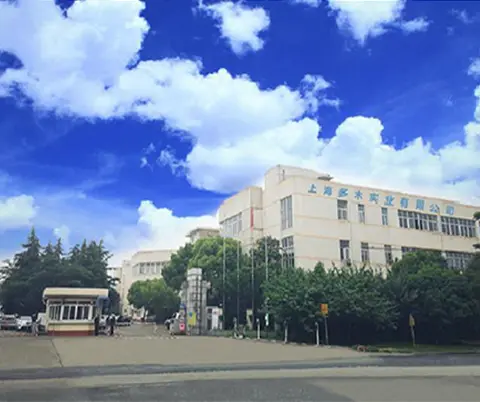
Our dedicated R&D department specializes in custom hardfacing system designs. Shanghai Duomu has built an independent technical team that develops, produces, and configures complete suites of plasma and laser cladding equipment. Our machinery is engineered with stable control structures capable of maintaining efficient, continuous operations in demanding factory settings. Additionally, our high-power laser cladding equipment serves large-scale component remanufacturing projects with mature process parameters tailored to distinct steel backings.
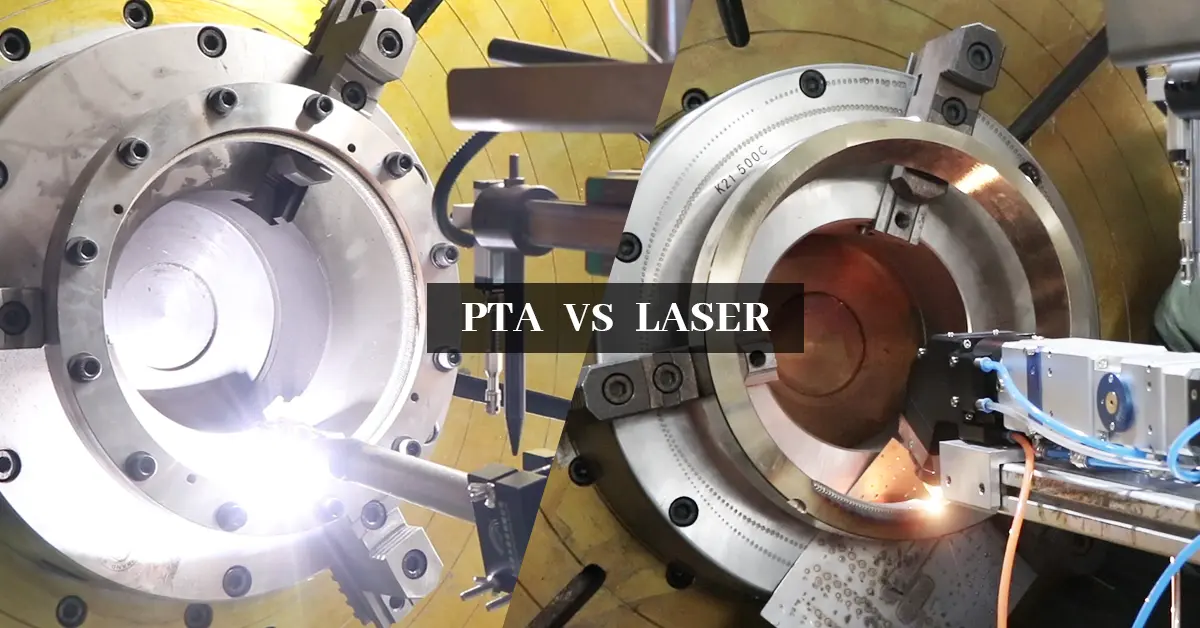
We provide full-spectrum engineering consultancies for companies in Mexico, helping transition legacy hardfacing routines to automated Laser and PTA technology. Through precise parameter controls—incorporating laser spot shaping, wire/powder feed synchronization, and closed-loop temperature control—we ensure that deposition layers achieve maximum adhesion with minimum substrate dilution.
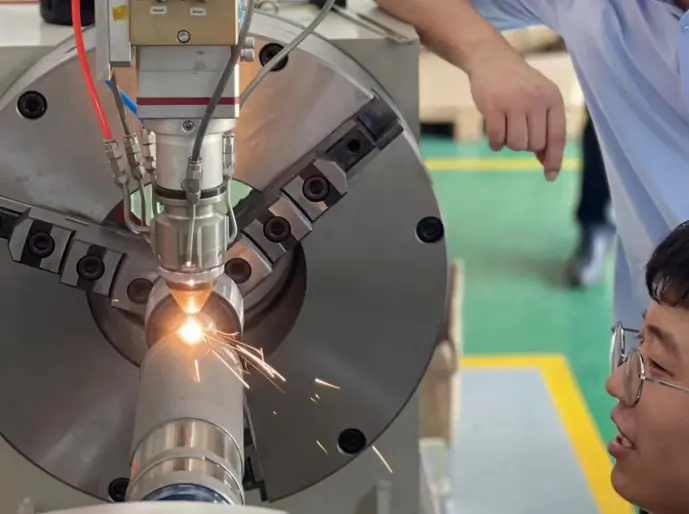
Where high wear resistance, corrosion protection, and structural integrity are required across Mexico’s commercial landscape.
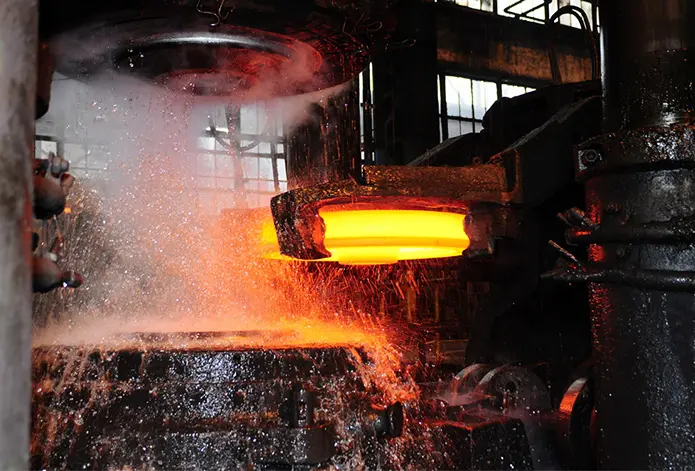
At present, Duomu's products have penetrated into many critical sectors, including aerospace, nuclear power generation, petrochemical complexes, coal mines, metal casting and forging operations, high-yield agriculture, municipal water conservancy, and electric power infrastructure.
Send Inquiry NowCustom machinery, robotic integrations, and high-efficiency systems designed to replace manual processes.
An analysis of upcoming trends in additive manufacturing, digital twin simulation, and closed-loop process control.
The global surface engineering sector is moving rapidly toward fully digitized work environments. For manufacturers in Mexico aiming to integrate into North American supply chains, leveraging advanced cladding systems is no longer just about repairing worn parts—it is a cornerstone of smart manufacturing. The key technologies driving this shift include:
Shanghai Duomu's continuous investment in automated control software allows our machinery to run on pre-configured alloy recipes. Whether executing complex passes on hydraulic rods using iron-based alloys or cladding industrial valve gates with Stellite 6, operators can load CNC programs and achieve repeatable, industry-certified overlays.
Understanding supply chain regulations, logistics, and technical documentation required for importing machinery to Mexico.
Procuring advanced cladding equipment for Mexican manufacturing plants requires compliance with international standards and local import guidelines. Under the USMCA / T-MEC agreement, parts refurbished or manufactured in Mexico using automated advanced systems must adhere to strict rules of origin and technical metrics:
| Industrial Metric | Standard Target Requirement | Duomu Equipment Alignment |
|---|---|---|
| Dilution Control | < 5% for Laser; < 10% for PTA | Guaranteed via precision gas & powder feed control |
| Electrical Standard | 220V/380V/440V 60Hz compatibility | Custom-configured transformers for Mexican industrial grids |
| API Validation | API 6A / API 16C (Oil & Gas Valves) | Process qualification supports ASME Sect. IX certification |
| Environmental Compliance | SEMARNAT standard for Zero Chrome-6 emission | Dry additive technology replacing wet electroplating lines |
By coordinating with our logistics networks, Shanghai Duomu provides door-to-port and door-to-factory delivery services across main industrial hubs (Veracruz, Manzanillo, Altamira), alongside comprehensive documentation packages (customs declarations, technical schematics, and operating manuals in English).
Expert answers regarding PTA welding, laser cladding integrations, material compatibility, and operational support in Mexico.
Explore our specialized plasma arc welding devices, portable gantry modules, and precision micro torches.
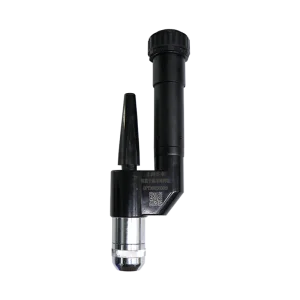
Proprietary wear-resistant torches designed to reduce downtime and ensure continuous material deposition.
Review detailed application guides and technical assessments from actual industrial installations.
“The PTA Welding Valve Application Guide is not just a process choice for valve manufacturers facing high wear, high corrosion, and high-temperature erosion working conditions, but also a key path to improving product competitiveness. As industries such as petrochemical, gas processing, and high-pressure steam distribution expand across Mexico, using pre-calculated PTA deposition ensures valve seats survive millions of cycles without leaking.”
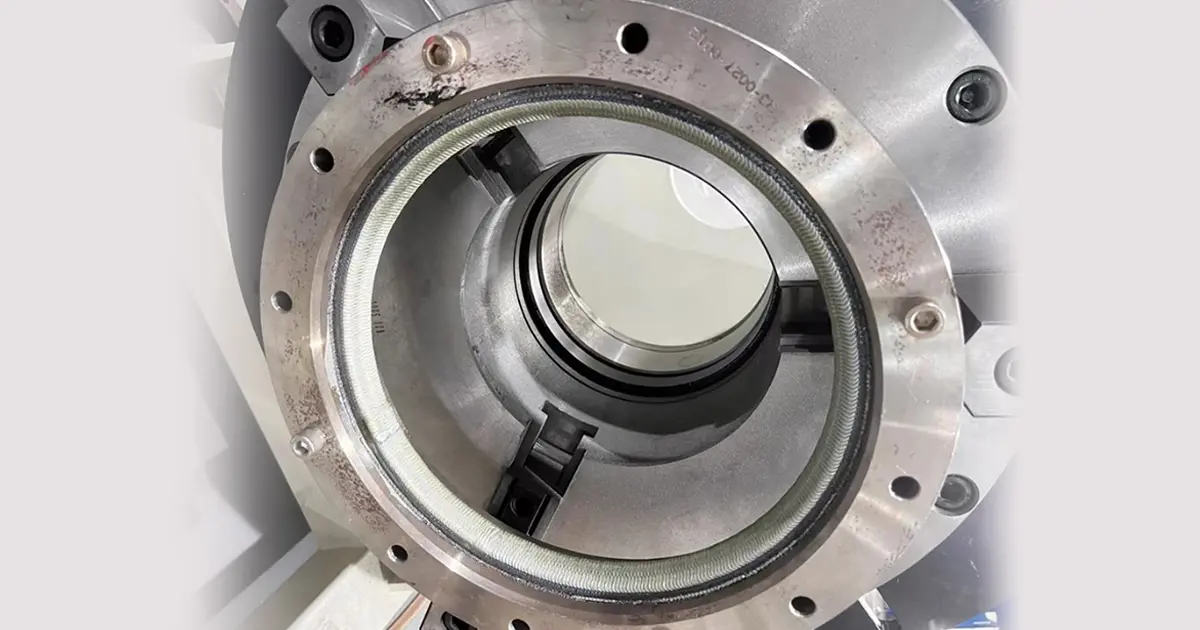
Petrochemical Hub, Veracruz
“In industries such as mining, cement, power generation, steelmaking, chemical processing, and biomass energy, screw conveyors are often regarded as auxiliary equipment. However, maintenance data shows that they are among the most frequent causes of unplanned production shutdowns. Applying tungsten carbide plasma coatings to the outer flight flights increases service life by up to 300%.”
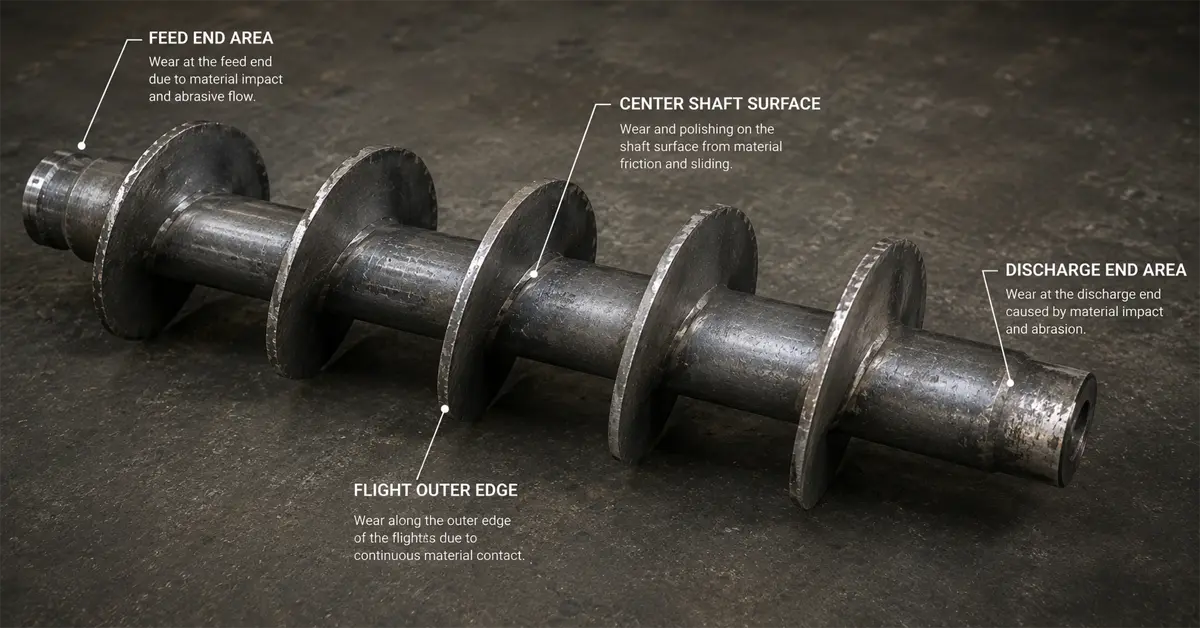
Cement Plant, Monterrey
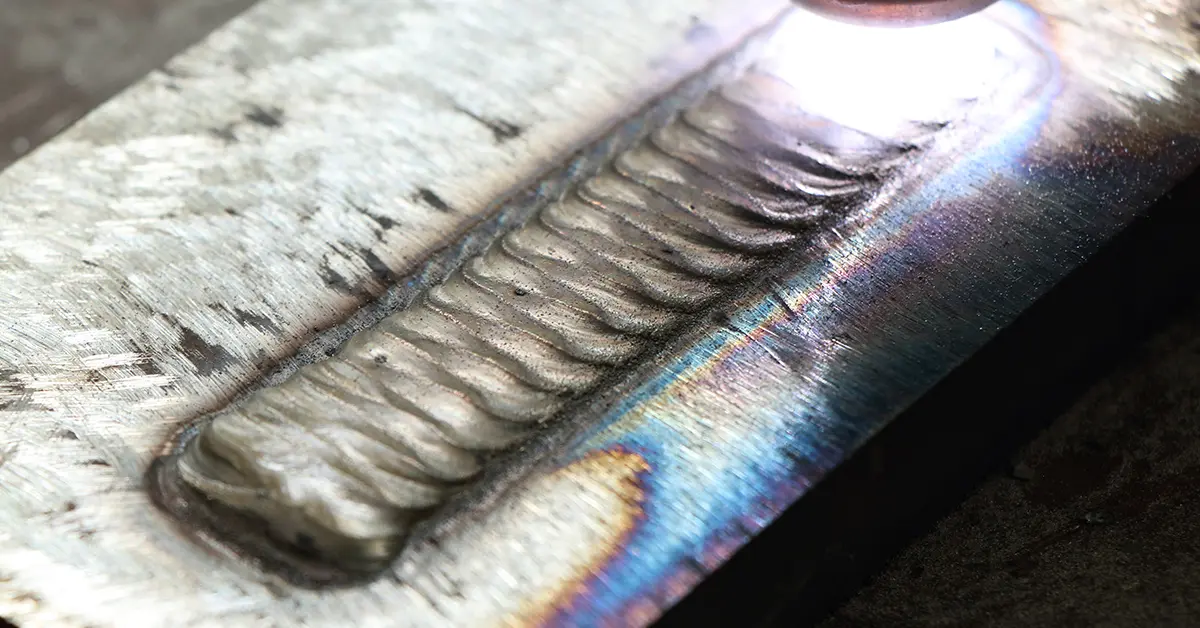
“In Plasma Transferred Arc (PTA) hardfacing, achieving a high-quality overlay is not only about selecting the right alloy powder or optimizing welding parameters. One of the most critical factors that directly affects overlay performance is the dilution rate. Whether you weld tool steels or cast irons, maintaining a dilution rate under 8% is key to preserving carbide hardness.”
Metallurgy Lab, Querétaro
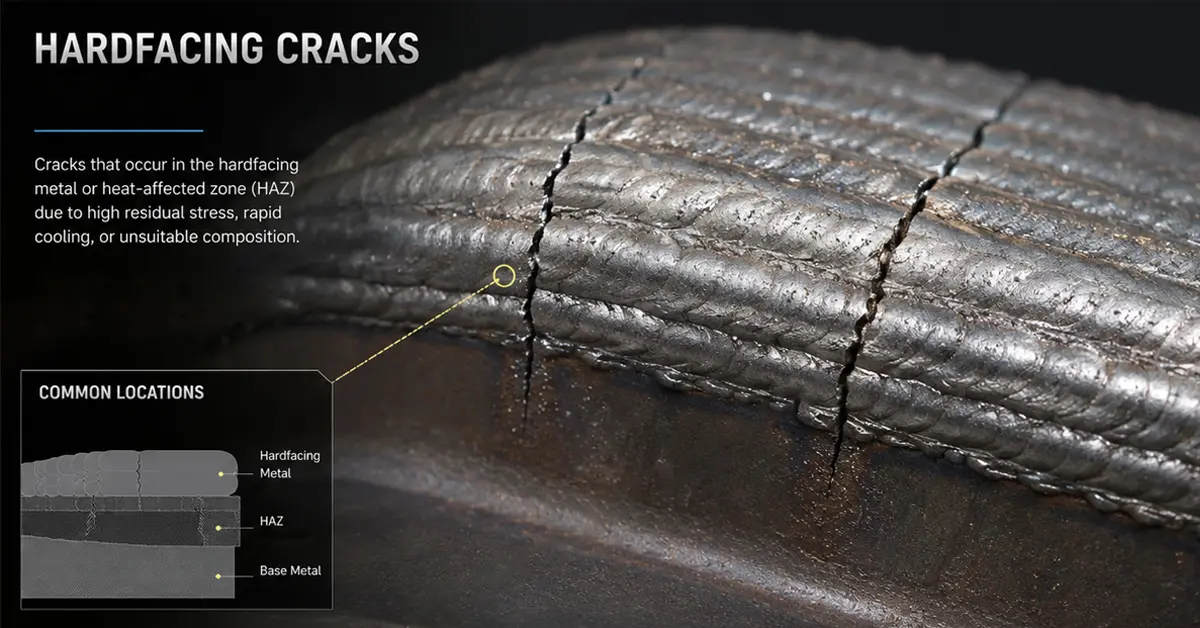
“In industries such as Oil & Gas, Mining, Power Generation, Cement, and Heavy Equipment Manufacturing, hardfacing is no longer just a repair process. It has become a critical technology directly related to equipment lifespan, downtime costs, maintenance frequency, and production optimization. High-rate PTA cladding systems provide the throughput needed to keep up with daily schedules.”
Heavy Engineering Group, Saltillo
“In industries such as oil & gas, petrochemical, power generation, mining, and marine engineering, industrial valves are constantly exposed to severe operating conditions including high pressure, extreme temperatures, corrosive media, abrasive wear, and sand erosion. Applying Stellite 6 coatings with laser cladding ensures zero-defect seals and conforms to local environmental goals by eliminating galvanic plating lines.”
Valve Manufacturing, Guanajuato







Connect directly with Shanghai Duomu’s technical department. Receive a tailored parameter solution and equipment pricing assessment within 24 hours.
 Duomu
Duomu