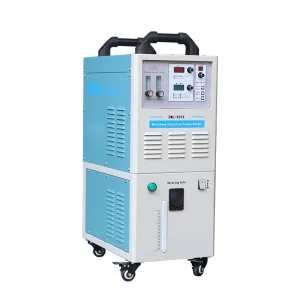
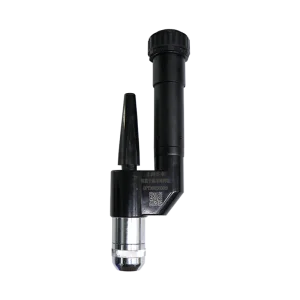
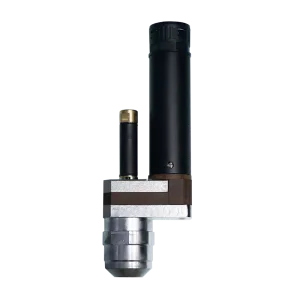
Highly adaptable metallurgical overlay systems customized with local Israeli technical support interfaces, calibrated for demanding aerospace tolerances and severe-duty desert mining applications.
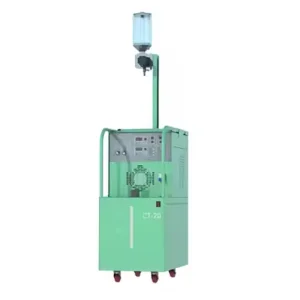
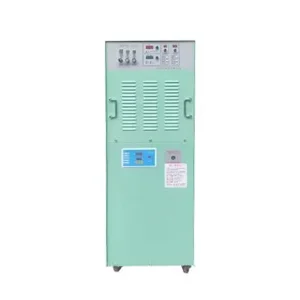
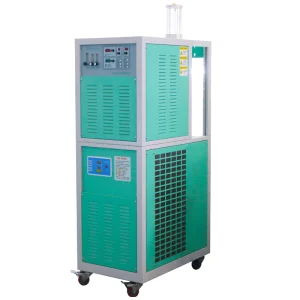
In the highly sophisticated ecosystem of Israeli industrial manufacturing, where precision engineering, defense technology, and high-tech R&D drive economic development, components must operate under extreme parameters. Traditional thermal spray coatings, hard chrome plating, and arc welding claddings are no longer sufficient to meet the strict fatigue and mechanical criteria of modern applications. High-velocity oxygen fuel (HVOF) coatings lack true metallurgical bonding, leaving components vulnerable to delamination under heavy load, while conventional arc welding causes severe thermal distortion.
Laser Cladding (Laser Metal Deposition - LMD) represents the pinnacle of surface engineering. Utilizing a highly concentrated, CNC-controlled laser beam as a heat source, it melts the substrate surface simultaneously with an injected stream of metal powder or wire. Due to the ultra-precise, localized heat input, laser cladding achieves perfect metallurgical bonding with extremely low dilution rates (typically < 5%) and a minimal Heat-Affected Zone (HAZ). This guarantees that the base material retains its bulk mechanical integrity while the clad surface delivers superior wear, corrosion, and high-temperature oxidation performance.
The core benefit of laser cladding is its cooling rate, which can exceed 105 °C/s. This rapid solidification prevents macro-segregation and prompts the formation of a highly refined, microcrystalline or even amorphous grain structure. In applications such as oil and gas exploration in the Levant Basin or seawater desalination along Israel's coastline, this refined structure acts as a dense barrier against intergranular corrosion, hydrogen embrittlement, and abrasive wear.
Tailoring advanced hardfacing and metallurgical restoration interfaces to the specific environmental and operational challenges of the Middle Eastern market.
Israel’s aerospace and defense industries demand the highest standards of reliability. Our laser cladding systems deposit specialized superalloys (such as Inconel 718, Waspaloy, and titanium alloys) on turbine blades, shaft assemblies, and structural components. This restores critical dimensions with minimal heat input, complying with strict military and civil aviation requirements.
With large-scale reverse osmosis facilities operating along Israel's coastline, seawater pump impellers, high-pressure valves, and hydraulic pistons suffer from combined wear and chloride-induced corrosion. By cladding components with super duplex stainless steel or cobalt-based alloys (Stellite), we extend pump lifespans in high-salinity marine environments.
Agricultural machinery working in the abrasive soils of the Negev Desert requires specialized wear protection. Hardfacing using tungsten carbide composite powders (WC-Ni or WC-Co) applied via laser cladding provides superior protection against abrasive soil wear, outperforming traditional overlay methods.
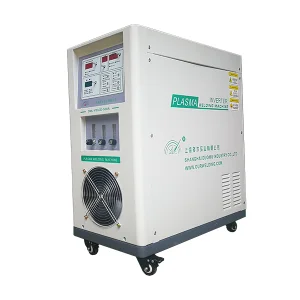
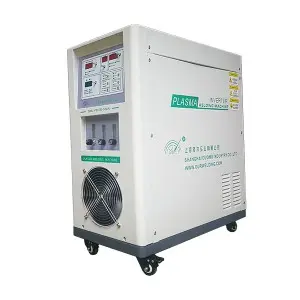
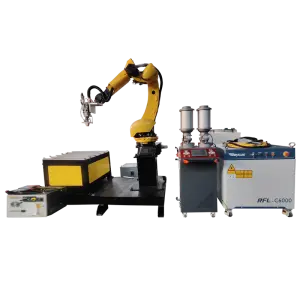
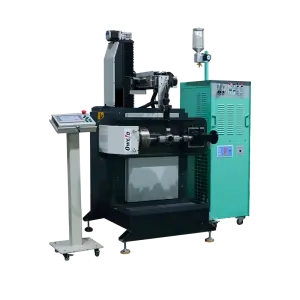
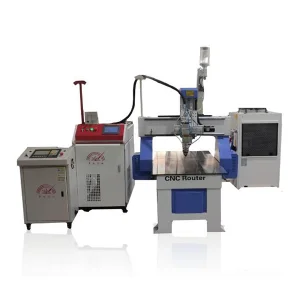
Shanghai Duomu maintains an independent, state-of-the-art research and development department that designs, manufactures, and supports high-precision plasma and laser cladding systems. Our engineering division provides turnkey solutions, from customized metallurgical powder development to multi-axis robotic path integration. Our equipment is built for continuous, stable operation under demanding industrial conditions, enabling large-scale component remanufacturing and surface fortification.
For our Israeli partners, we combine global manufacturing efficiency with localized engineering support, offering customized PLC programming, specific electrical configurations compatible with local standards, and direct assistance for integration into modern manufacturing cells.
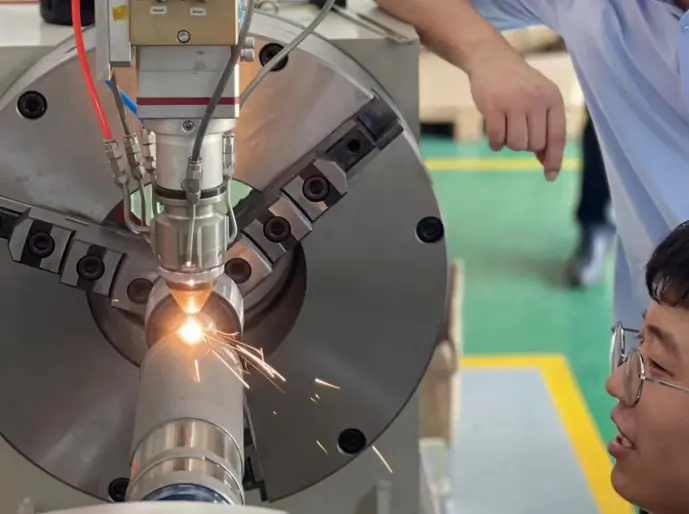
Real-world operational analysis showing how automated cladding technologies improve equipment reliability across demanding industrial sectors.
Industrial valve manufacturers facing severe wear, high pressure, and corrosive flow media rely on PTA and Laser hardfacing. Standardizing on alloy overlays improves sealing surface durability, reduces leakage risks, and ensures long-term operational integrity in demanding chemical processing plants.
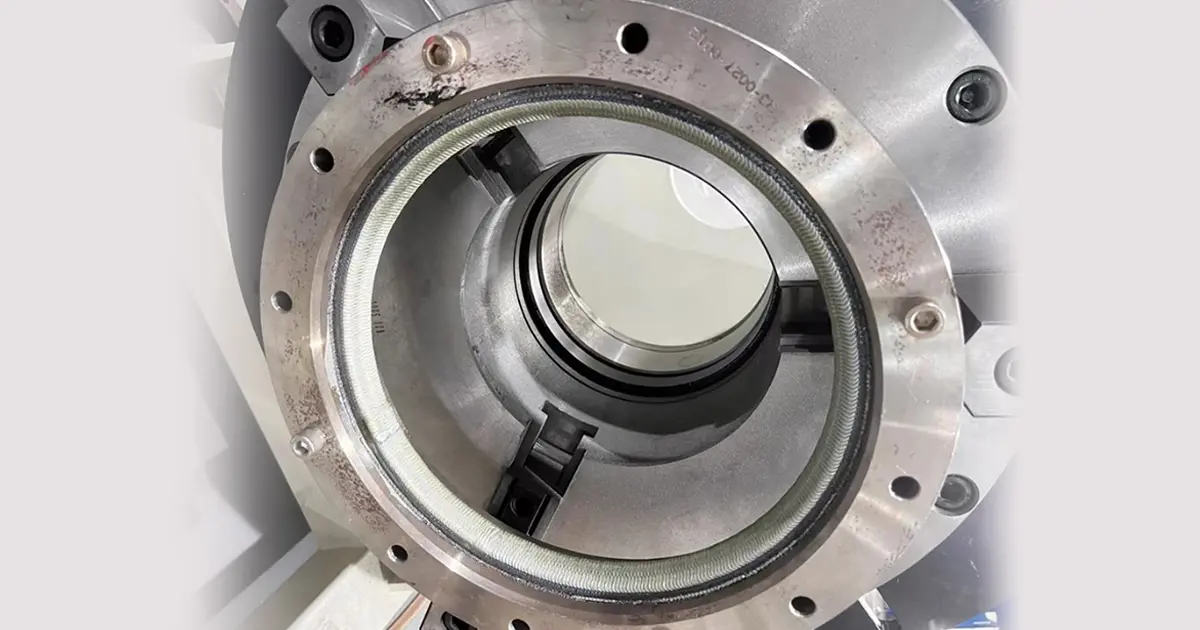 Chemical & Petrochemical Flow Systems
Screw conveyors are critical components in mining, cement, and power generation. Hardfacing the screw flights with wear-resistant alloys significantly reduces unplanned maintenance, preventing production delays and extending operational life under continuous abrasive loads.
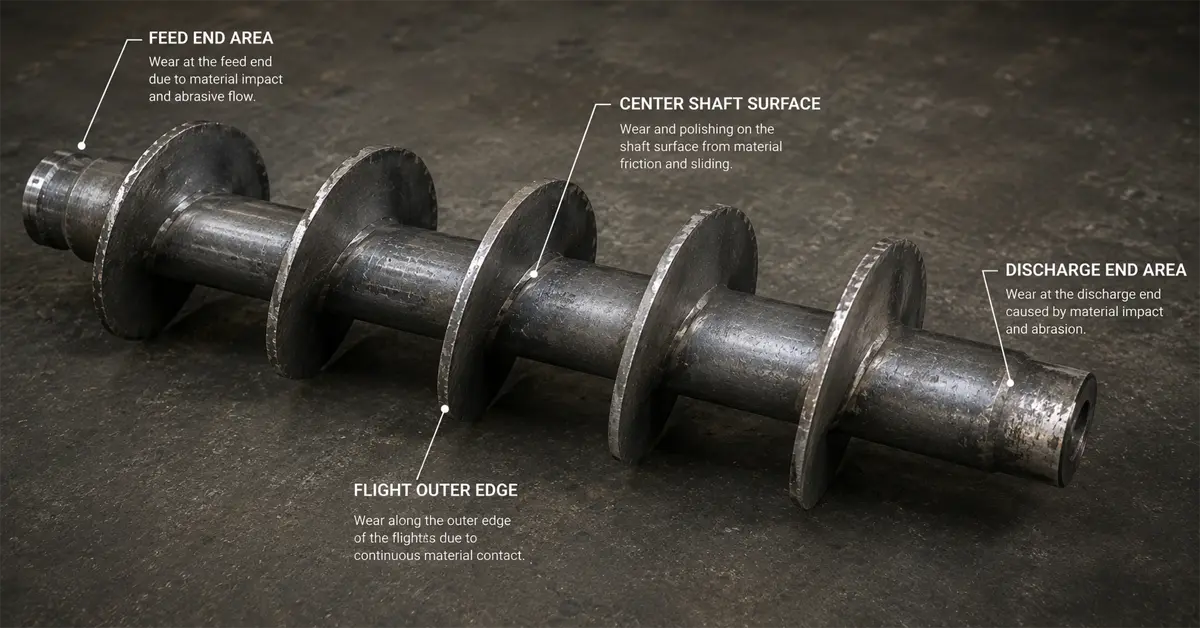 Cement & Bulk Mining Materials
Optimizing the dilution rate is critical in Plasma Transferred Arc (PTA) hardfacing. Controlling the energy input and powder feed rate ensures high wear resistance in the overlay with minimal mixing from the substrate, keeping the cladding layer's chemical composition stable.
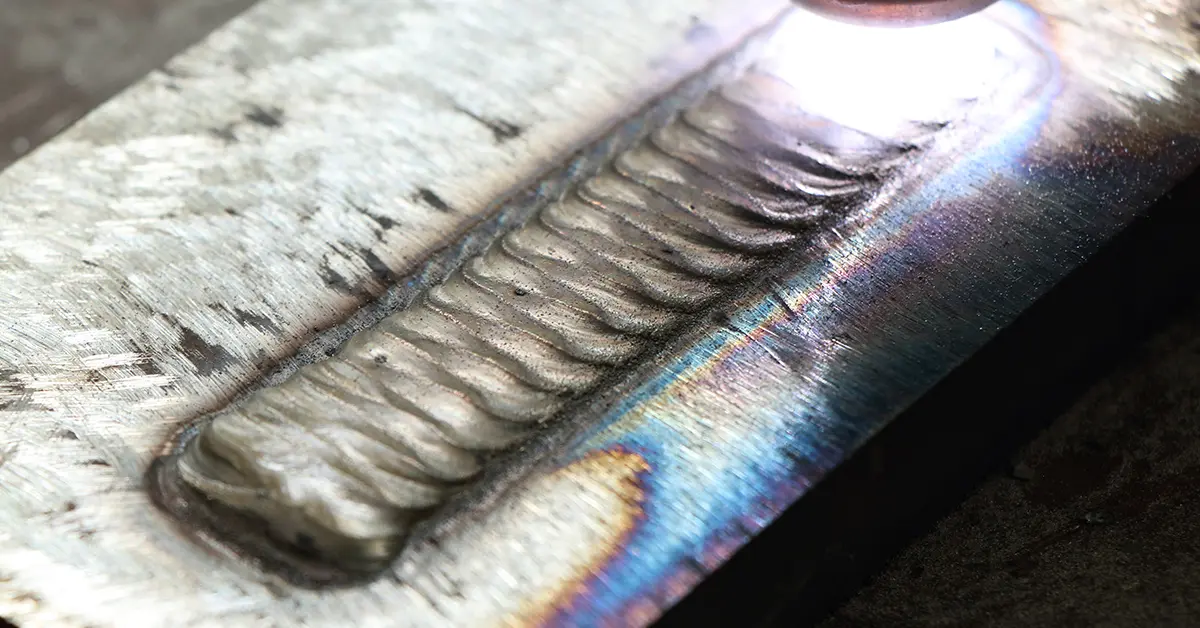 Metallurgical Quality Control
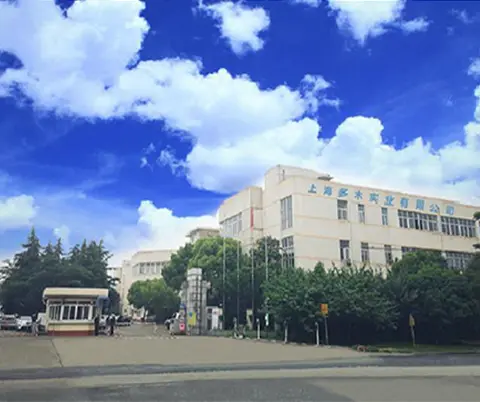
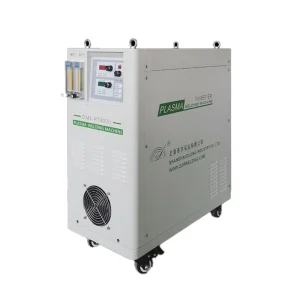
Shanghai Duomu is an established designer and manufacturer of PTA (Plasma Transferred Arc) cladding systems and precision Laser Cladding machines. Backed by strong technical expertise, we provide high-performance surface modification solutions to industrial clients globally. Our product line is designed to help manufacturing facilities and repair centers restore worn components, apply hard coatings, and improve material properties.
Our equipment is designed to meet strict quality and safety standards, ensuring reliability in demanding production environments. Whether you need automated systems for serial production or flexible setups for custom repairs, our team provides complete technical support, process evaluation, and setup guidance.
Our cladding systems are designed to improve component wear life and reliability across several demanding industrial sectors, including mining, heavy machinery, power generation, and military aerospace applications.

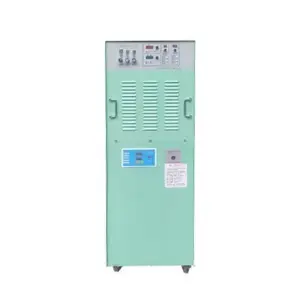
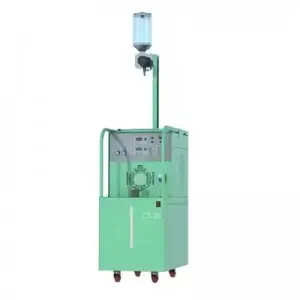
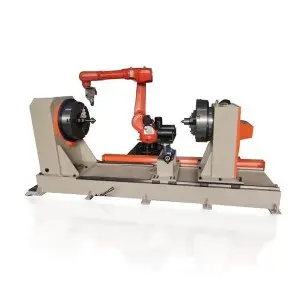
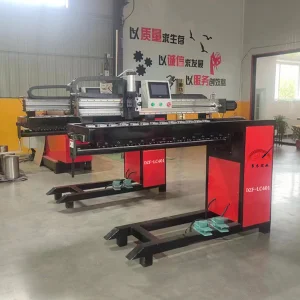
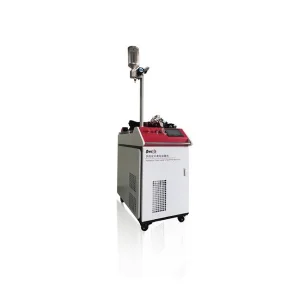
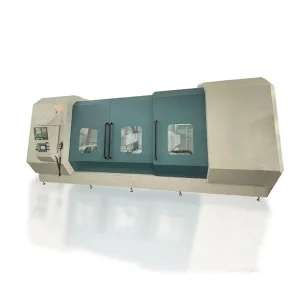
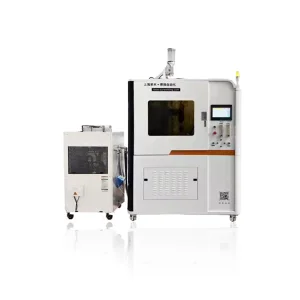
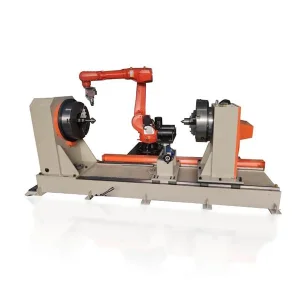
A complete selection of automated systems, multi-axis robotic platforms, and advanced torches developed to handle specific cladding, hardening, and restoration requirements.
Our full range of industrial machinery, specialized torches, and custom multi-axis gantries engineered to support demanding manufacturing facilities in Israel.
Industrial components in heavy industries face wear mechanisms such as abrasion, adhesion, erosion, cavitation, and chemical corrosion. Restoring these parts requires selecting the appropriate surface-modification method and cladding materials to match the operational environment.
Achieving the required performance depends on selecting the proper alloy powder for the specific substrate and working conditions:
Many industries are actively replacing hard chrome plating with laser cladding. Chrome plating uses hexavalent chromium, which is subject to strict environmental regulations. Laser cladding provides a clean, REACH-compliant alternative that forms a true metallurgical bond. The resulting cladded layer is non-porous and offers longer service life than electroplated coatings.
How we integrate automated control, multi-axis motion planning, and closed-loop process monitoring to meet the evolving requirements of advanced industrial manufacturing.
Integrating cladding setups with multi-axis industrial robots and CNC gantries allows for precise deposit paths on complex, 3D curved surfaces such as turbine blades, screw conveyor flights, and large wear plates.
Our development efforts focus on implementing real-world process monitors. Integrating optical sensors and temperature feedback loops helps stabilize the melt pool, ensuring consistent cladding quality across production batches.
We work closely with industrial partners to formulate specialized metallic powders, optimizing particle size and composition to improve flow characteristics and deposition efficiency in laser and plasma cladding applications.
Technical answers regarding the application, capabilities, and process parameters of industrial laser cladding and PTA surfacing.



Whether you are upgrading an aerospace repair facility in Tel Aviv, configuring valve hardfacing systems in Haifa, or protecting heavy machinery in the South, our technical engineers are here to assist with custom machine specifications, powder alloy requirements, and budget pricing.
Send Inquiry Now Duomu
Duomu