High-performance PTA and Laser systems optimized for Finnish engineering standards and cold-climate wear resistance.
An In-Depth Engineering Insight into Additive Remanufacturing, Tribological Wear, and Material Optimization in Nordic Environments
In northern Finland (Lapland) and deep mining operations, components such as excavator teeth, cutting picks, drill bits, and hydraulic rods undergo extreme abrasive and impact wear. Standard steel fails rapidly under cyclic loading at -30°C. Laser cladding allows for the deposition of specialized metal matrix composites (MMCs)—such as spherical tungsten carbide particles suspended in a nickel-based self-fluxing alloy matrix (NiCrBSi-WC).
The result is a cladding bead with minimal dilution (typically under 5%), an ultra-fine microstructure due to rapid solidification, and exceptional impact-abrasion resistance that does not delaminate, even when subjected to severe thermal shock.
Finland's maritime sector, focused heavily on icebreakers and cargo vessels, depends on shafts, propeller hubs, and rudder valves that must resist both saltwater corrosion and cavitation. Similarly, Valmet-style paper machine rollers demand perfectly smooth, wear-resistant, and corrosion-resistant surfaces.
By applying cobalt-based alloys (Stellite equivalents) or super-duplex stainless steels via high-speed laser cladding, our equipment ensures high corrosion protection with minimum thermal distortion of the long roller shafts, preserving critical dimensional tolerances.
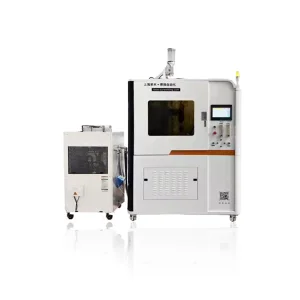
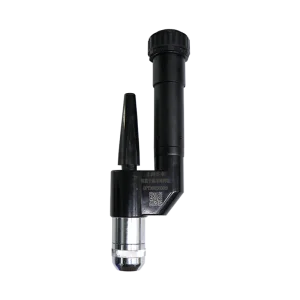
Laser cladding uses a focused laser beam as the heat source to melt both the substrate surface and the injected powder alloy. The heat input is extremely concentrated, yielding:
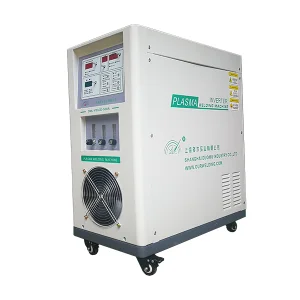
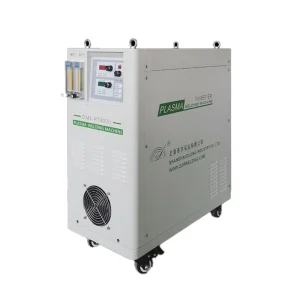
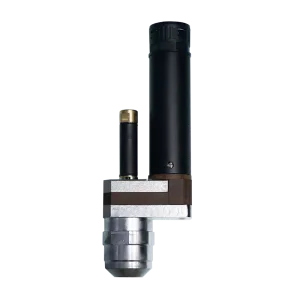
PTA uses a constricted plasma arc to melt the powder and substrate. It remains a powerhouse for heavy industrial cladding:
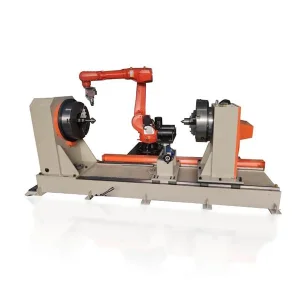
For larger operations, integrating robotic arms, gantries, and automated positioning turn-tables is essential:
Procuring industrial cladding machinery directly from a leading Chinese manufacturer like Shanghai Duomu provides an exceptional balance of technological sophistication, rapid manufacturing turnaround, and cost optimization.
Our state-of-the-art facility in China leverages highly integrated component supply chains—partnering with industry-standard laser source manufacturers (like Raycus, Maxphotonics, and IPG) and combining them with our proprietary powder feeders, custom nozzles, and robust CNC controls. This allows us to supply systems at a fraction of the cost of European-assembled counterparts while maintaining equivalent or superior operational parameters.
Before finalizing your laser cladding or PTA system specifications, ensure you have defined the following operational variables:
Proven solutions across demanding industrial domains, built for continuous operation under severe stresses.


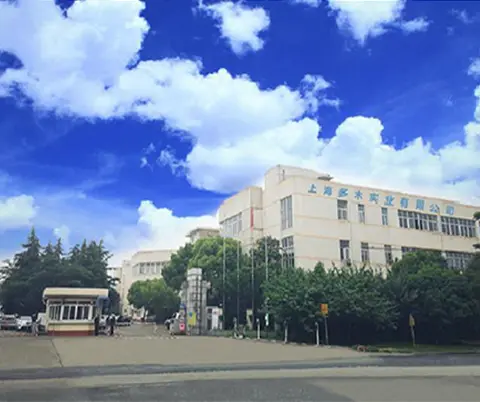
Shanghai Duomu has been a leading manufacturer and exporter of PTA cladding machines and Laser cladding machines for more than ten years with a strong technical background.
We provide full-spectrum material deposition systems that allow metallurgical repair shops and original equipment manufacturers (OEMs) in Finland and globally to salvage worn components, minimize downtime, and dramatically increase local wear limits. From custom robotic nodes to multi-axis portal systems, our manufacturing capability is designed to match the rigorous demands of Northern European heavy industry.
Learn More About UsWe operate an independent, high-caliber Research & Development team focusing specifically on plasma welding arcs, diode lasers, and high-speed powder delivery nozzle configurations. This enables us to design, iterate, and build proprietary cladding machinery that stands the test of time under intensive shift structures.
Our systems have stable performance profiles, allowing continuous run times in harsh industrial environments. For major European projects, our laser cladding equipment directly supports large-scale remanufacturing initiatives, salvaging high-value assets such as wind turbine main shafts, pulp refinery plates, and heavy mining drill collars.
Get In Touch with Our Technical Dept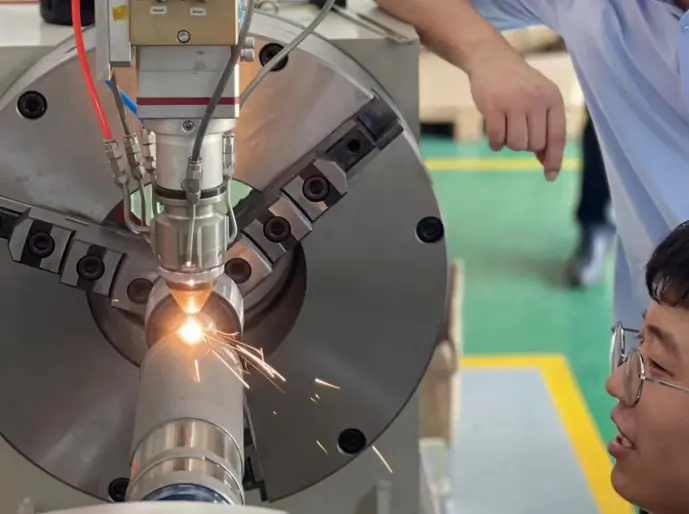
Select from our verified equipment catalog, delivering premium hardfacing and precision thermal deposition for Finnish industry.
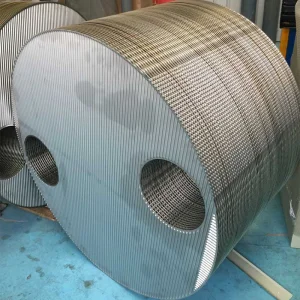
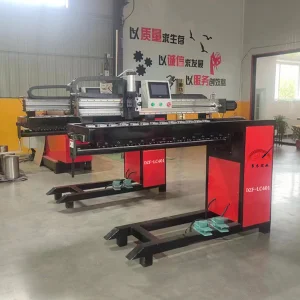
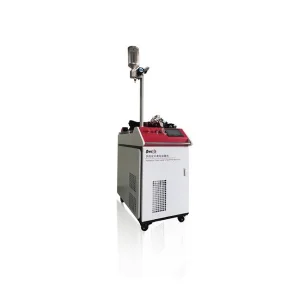
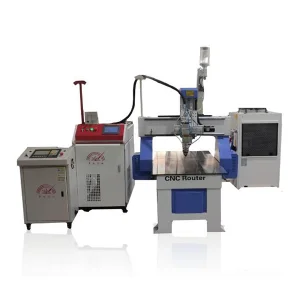
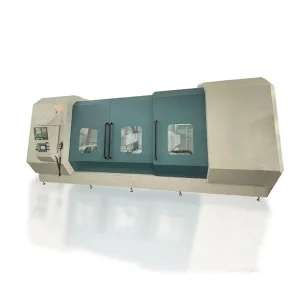
Highly specialized tooling and robotic cell components configured for integration into larger production lines.
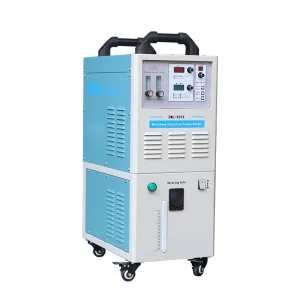
Detailed analysis of metallurgy, diluting control, and application-specific parameters.
In standard fusion welding, high dilution with the substrate compromises the chemical composition of the hardfacing layer, forcing technicians to apply multiple overlay passes to achieve the target surface hardness. In contrast, our CNC laser cladding stations hold dilution levels below 3%.
This rapid heating-cooling cycle suppresses grain growth, producing a highly refined dendritic microstructure in the deposit. For valve manufacturers operating under heavy Baltic Sea offshore pressure differentials, this low dilution ensures the carbide phase remains concentrated at the wear interface, maintaining structural resilience.
Long cylindrical components, such as pulp paper rollers and heavy marine shafts, are highly prone to warping or bending under conventional overlay welding. A warped shaft requires intensive post-cladding machining or straighteners, adding massive labor costs.
Our laser cladding gantry machinery applies energy via a high-density, highly concentrated spot size. By strictly limiting the thermal field to a micron-scale interaction zone, the structural core of the cylinder remains cool, preserving dimensional stability and alignment.
Cobalt-Based Alloys (Stellite equivalents): Ideal for high-temperature wear and corrosion. Extensively used in steam engine valve seats, chemical reactors, and gas turbines operating in Southern Finnish power plants.
Nickel-Based Self-Fluxing Alloys: Exceptional corrosion and abrasive properties. Ideal for marine stabilizer shafts and subsea oil extraction valves.
Iron-Based Cladding Materials: Cost-effective alternatives for general wear, restoration of structural steel dimensions, and buffering layers before depositing harder matrices.
Metal Matrix Composites (MMC - WC/Ni): Designed for the ultimate abrasion environments. Essential for rock crusher jaws, ground-engaging agricultural blades, and forestry shredders.
Operational documentation and application field insights based on real-world engineering environments.
"The PTA Welding Valve Application Guide is not just a process choice for valve manufacturers facing high wear, high corrosion, and high-temperature erosion working conditions, but also a key path to improving product competitiveness. As industries such as petrochemical, gas transmission, and power generation in Northern Europe demand zero-leakage lifespans, choosing low-dilution PTA systems became our critical engineering upgrade."
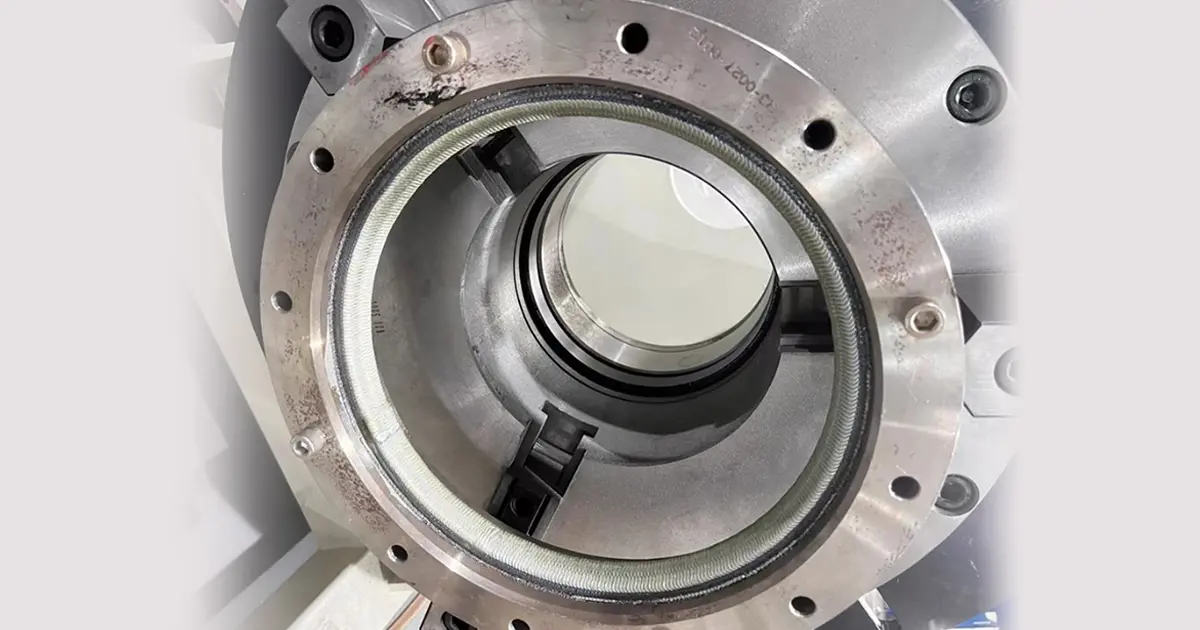
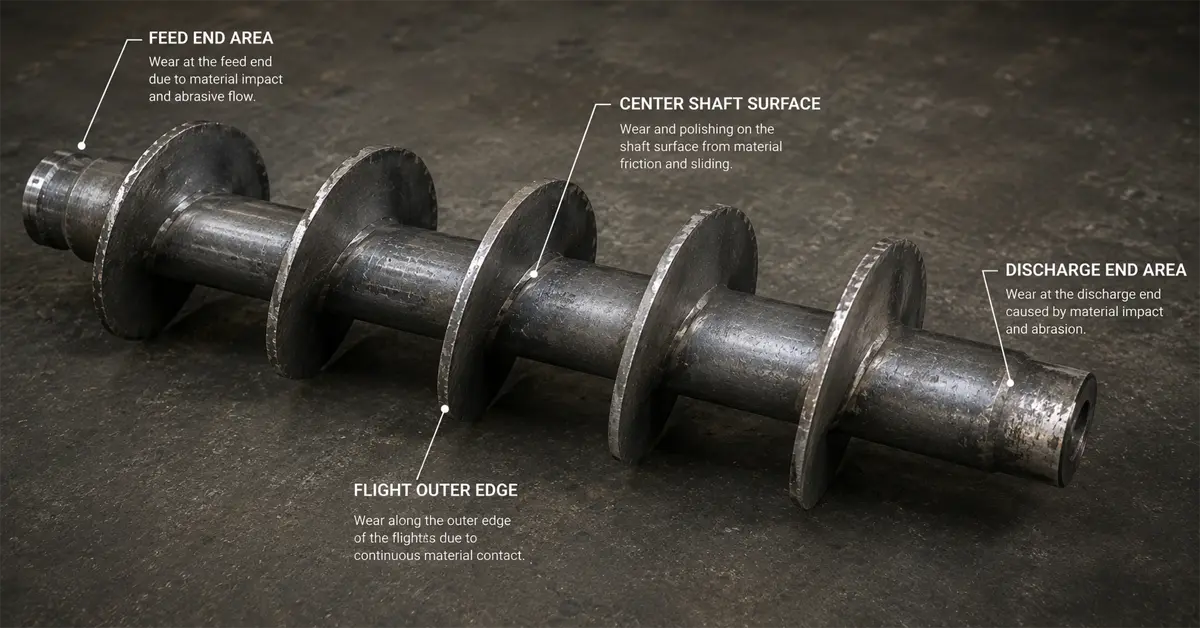
"In industries such as mining, cement, power generation, steelmaking, chemical processing, and biomass energy, screw conveyors are often regarded as auxiliary equipment. However, maintenance data shows that they are among the most frequent causes of unplanned production downtime. Applying tungsten carbide matrix via automated cladding systems has increased conveyor flight life by over 300%."
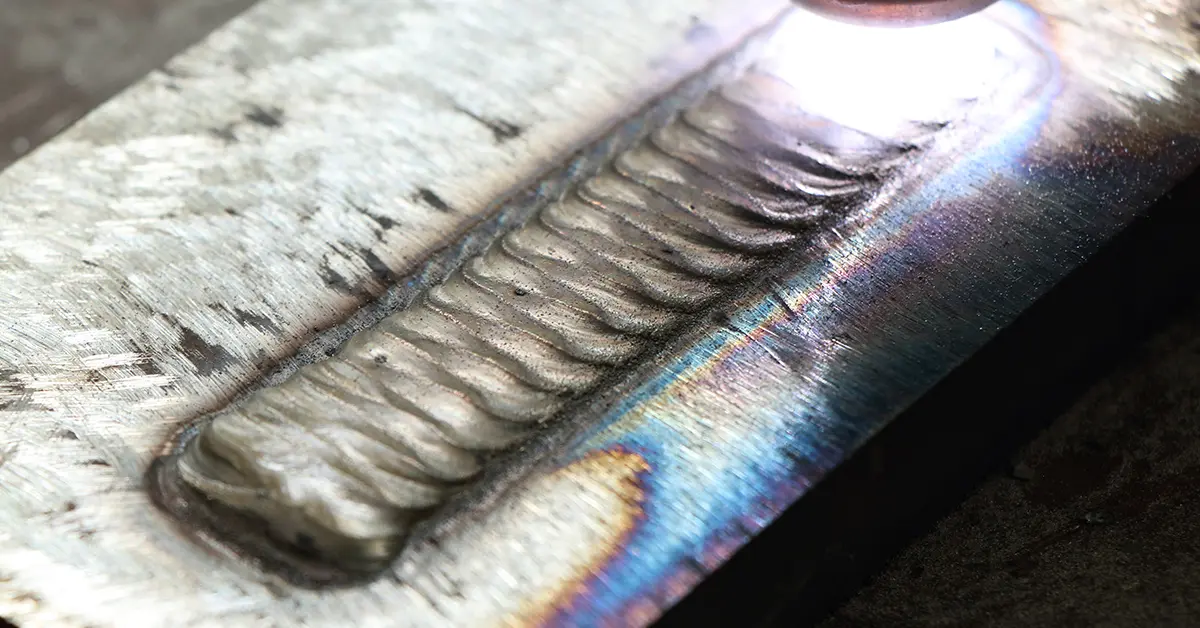
"In Plasma Transferred Arc (PTA) hardfacing, achieving a high-quality overlay is not only about selecting the right alloy powder or optimizing welding parameters. One of the most critical factors that directly affects overlay performance is the dilution rate. Whether you are dealing with tool steels or mild carbon frames, minimizing dilution determines the success of the wear boundary layer."
Answers to crucial technical and procurement queries for operations serving Finland and the wider Nordic region.




Get in touch with our technical sales division to receive comprehensive catalogs, dimensional drawings, pricing options, and metallurgical consultation. We guarantee response within 24 hours.
Send Inquiry Now Duomu
Duomu