Explore our heavy-duty automated systems and specialized welding torches engineered for metallurgical excellence.
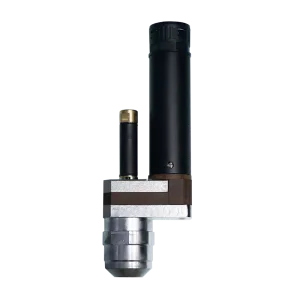
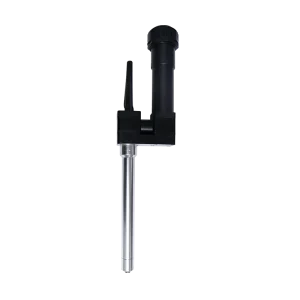
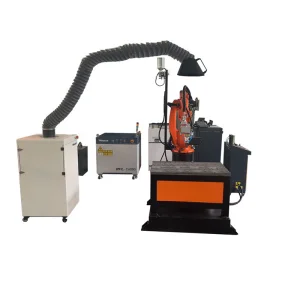
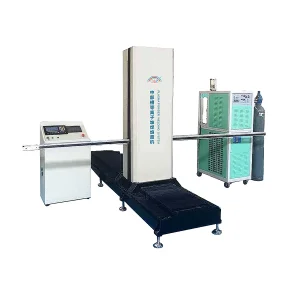
In modern industrial manufacturing and processing, durability, corrosion resistance, and structural longevity are primary metrics of engineering efficiency. Chemical processing reactors, large-scale crude storage tanks, offshore drilling vessels, and power plant boilers operate under continuous mechanical wear, severe corrosion, and thermochemical stresses. Standard metallurgy often fails to satisfy both cost limits and strict performance requirements. Tank Laser Cladding Technology offers a reliable engineering solution, allowing companies to apply premium protective materials precisely where they are needed most.
The global surface engineering sector is transitioning away from conventional thermal spraying (which creates weaker mechanical bonds) toward advanced additive manufacturing methods like Laser Cladding and Plasma Transferred Arc (PTA) systems. This shift is driven by three main factors:
Procurement teams sourcing laser cladding systems and customized heavy-duty components demand clear quality standards. Key requirements include:
| Process Parameter | Conventional Arc Cladding | Plasma Transferred Arc (PTA) | Advanced Laser Cladding |
|---|---|---|---|
| Heat Input | High (Extensive HAZ) | Medium | Very Low (Highly Localized) |
| Dilution Rate | 15% - 30% | 5% - 10% | < 5% (Typically 1% - 3%) |
| Bonding Type | Metallurgical | Metallurgical | Metallurgical (Extremely Dense) |
| Coating Thickness | 3.0 - 6.0 mm | 1.5 - 5.0 mm | 0.5 - 3.0 mm (Multi-layer capable) |
China's industrial laser cladding sector has grown rapidly by combining high manufacturing volume, complete component supply chains, and advanced engineering R&D. Leading manufacturers, such as Shanghai Duomu, design and build PTA and laser systems under one roof, integrating raw material sourcing, optical system assembly, and custom robotic programming.
With immediate access to advanced laser sources, CNC controllers, and specialized alloy powders, Chinese manufacturers can supply customized machinery quickly. Factory 4.0 integrations combine automated quality control with digital simulation tools, helping operators test toolpaths and thermal impact profiles before beginning production. This lowers cost overheads and shortens lead times for global buyers.
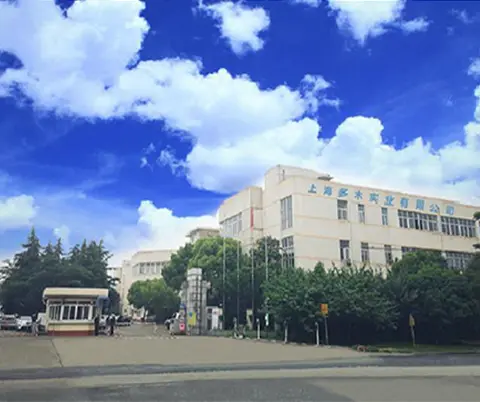
For more than ten years, Shanghai Duomu has designed, built, and exported high-performance PTA and Laser cladding systems. With a strong background in metallurgy and automated machine tool design, we supply surface engineering systems to demanding industrial markets worldwide.
Our dedicated engineering department develops, tests, and manufactures plasma cladding equipment and automated systems in-house. Our designs prioritize long-term performance under continuous duty cycles, ensuring reliability for large-scale rebuilds and manufacturing programs.
Read More & Contact UsOur laser and plasma cladding systems are deployed across diverse sectors to protect critical components operating in harsh environments.

Applying hard coatings to soil-engaging tools, cultivators, and harvesting components to resist abrasive wear in sandy and rocky soils.

High-precision repairs of turbine blade tips, compressor rotors, and structural components using advanced laser systems with minimal heat-affected zones.
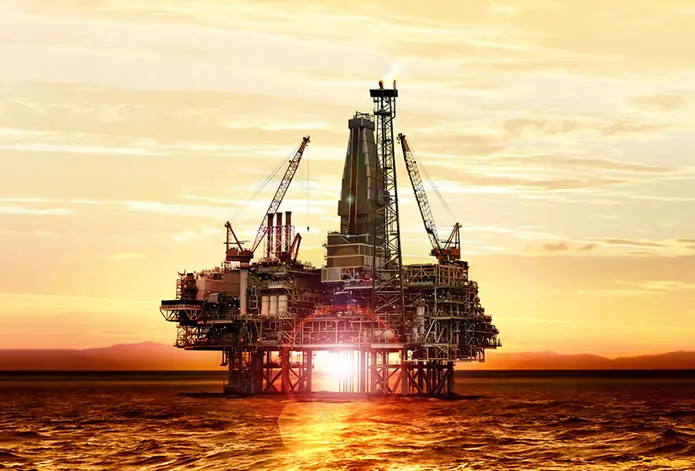
Protecting drill pipes, stabilizers, pump valves, and offshore riser joints from salt corrosion and extreme sand wear.
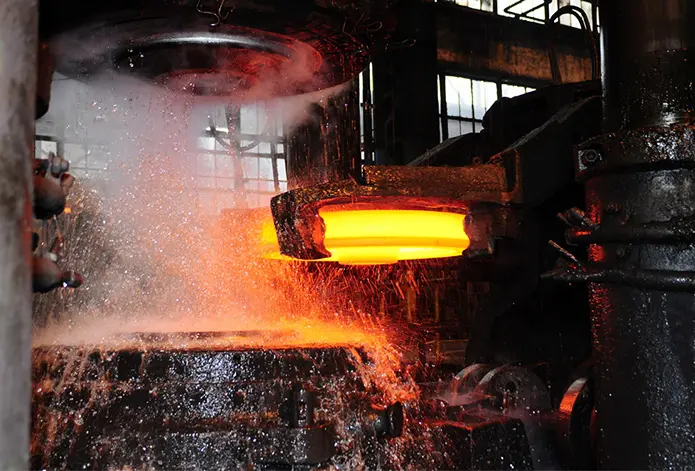
Cladding guide rollers, shear blades, and forming dies exposed to high thermal stress and cyclic mechanical loads.
Custom-engineered automated systems for processing hydraulic rods, valves, and rotating shafts.
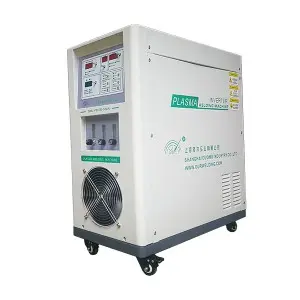
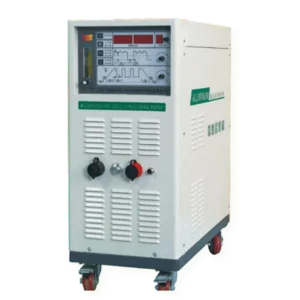
Designed for high-precision, thin-layer hardfacing of wear-resistant powders with reliable arc stability.
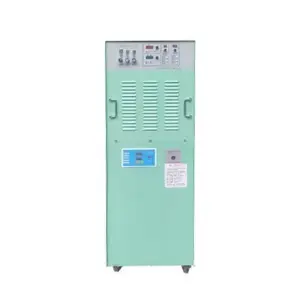
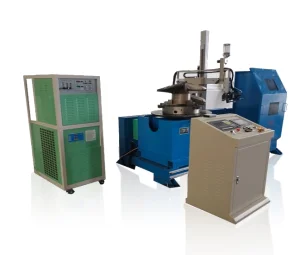
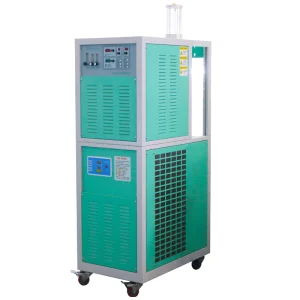
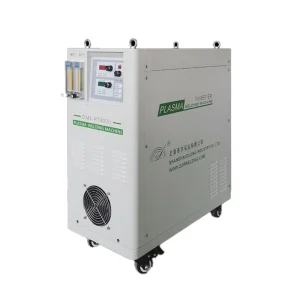
An integrated system combining process control, power supplies, and cooling in a compact frame.
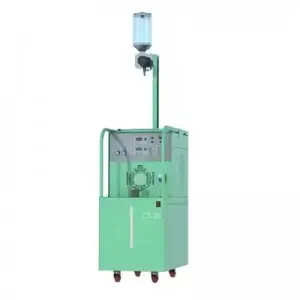
Flexible system parameters suited for variable alloy formulations, supporting small runs and custom jobs.
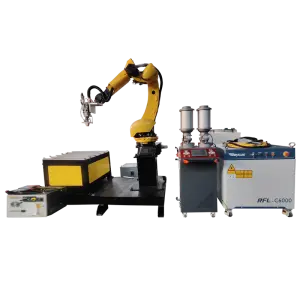
High-accuracy laser system with real-time temperature tracking for repairing thin-walled impellers and fan blades.
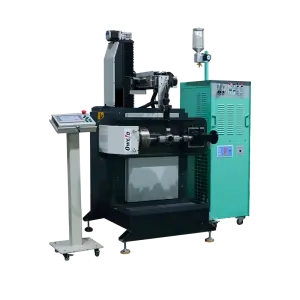
Dedicated positioning axes designed for high-density, wear-resistant alloy coatings on spherical seats.
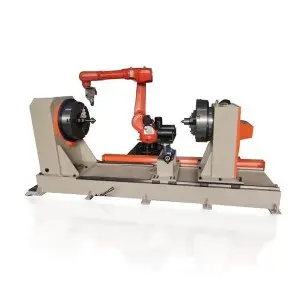
6-axis robotic platform for localized surface quenching, improving hardness while maintaining core toughness.
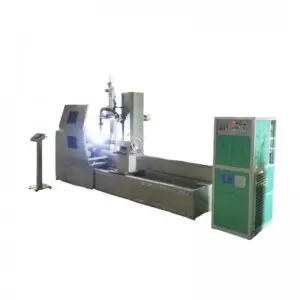
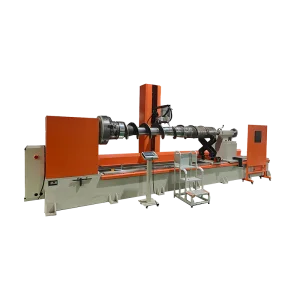
Designed for high-efficiency external cladding of long hydraulic shafts used in mining and construction.
A closer look at key surface engineering challenges, wear characteristics, and repair strategies in critical industries.
"The PTA Welding Valve Application Guide is not just a process choice for valve manufacturers facing high wear, high corrosion, and high-temperature erosion working conditions, but also a key path to improving product competitiveness. As industries such as petrochemical, power, and marine demand more from their hardware, automated hardfacing ensures vital sealing surfaces maintain performance long-term."
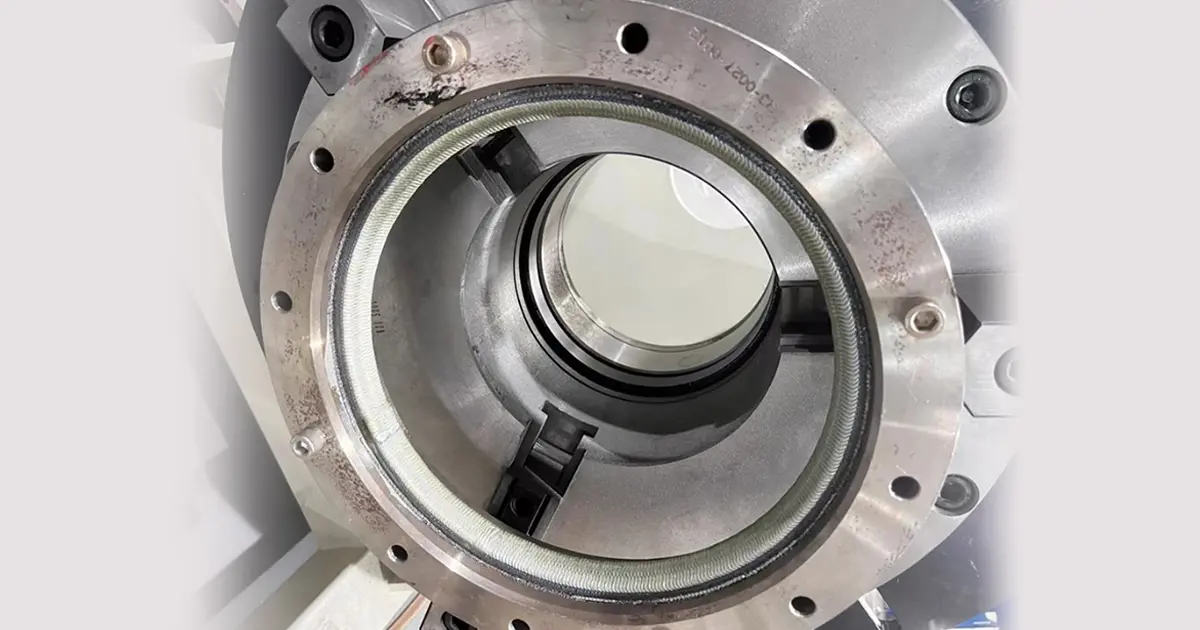
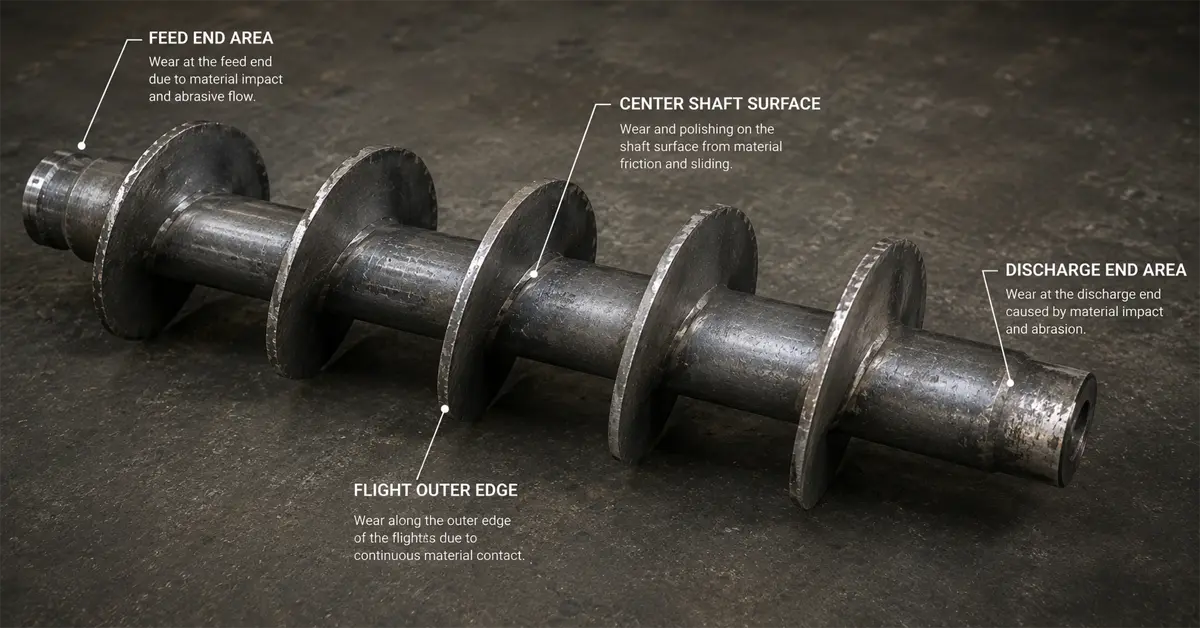
"In industries such as mining, cement, power generation, steelmaking, chemical processing, and biomass energy, screw conveyors are often regarded as auxiliary equipment. However, maintenance data shows that they are among the most frequent causes of unplanned production downtime. Applying tungsten carbide overlays via PTA prolongs screw flights and reduces maintenance interventions."
"In Plasma Transferred Arc (PTA) hardfacing, achieving a high-quality overlay is not only about selecting the right alloy powder or optimizing welding parameters. One of the most critical factors that directly affects overlay performance is the dilution rate. Keeping the dilution rate low preserves the properties of the surfacing alloy."
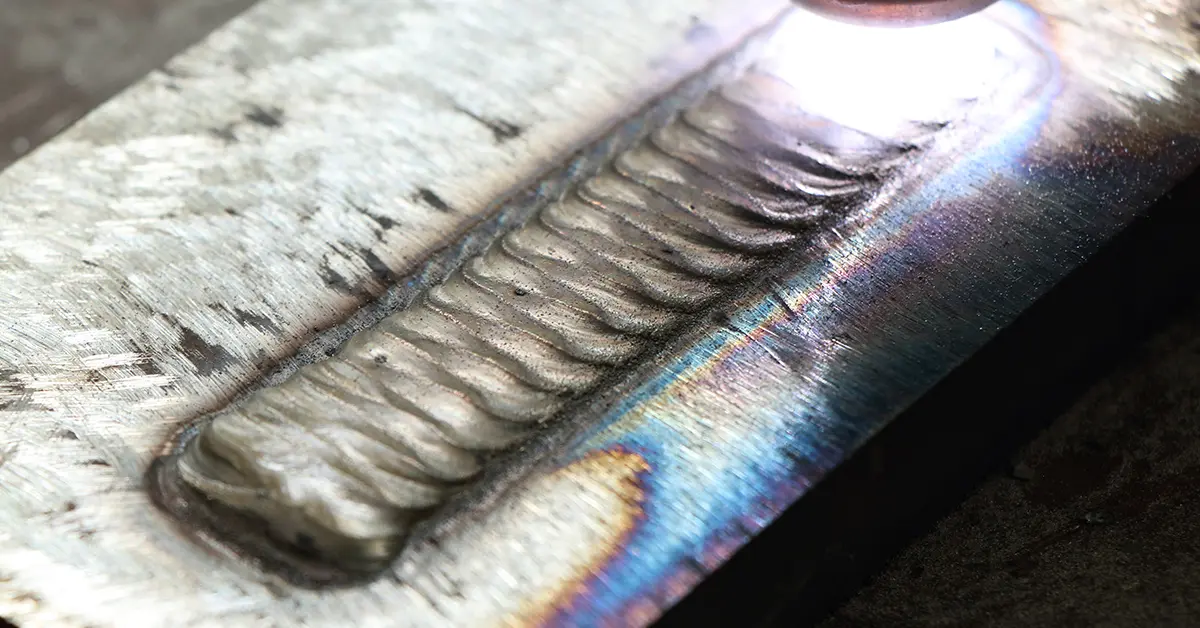
"In industries such as Oil & Gas, Mining, Power Generation, Cement, and Heavy Equipment Manufacturing, hardfacing is no longer just a repair process. It has become a critical technology directly related to equipment lifespan, downtime costs, maintenance frequency, and overall operational safety under extreme pressures."
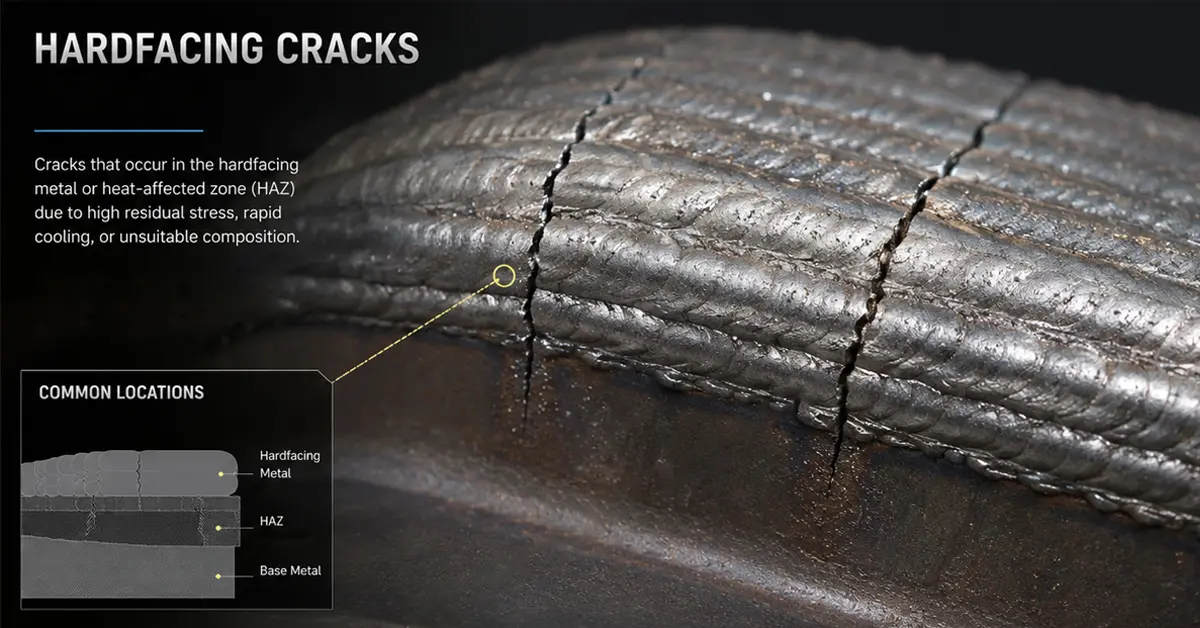
"In industries such as oil & gas, petrochemical, power generation, mining, and marine engineering, industrial valves are constantly exposed to severe operating conditions including high pressure, extreme temperatures, corrosive media, and abrasive sand erosion. Precise cladding provides localized protection, cutting down on the need for expensive solid alloy castings."
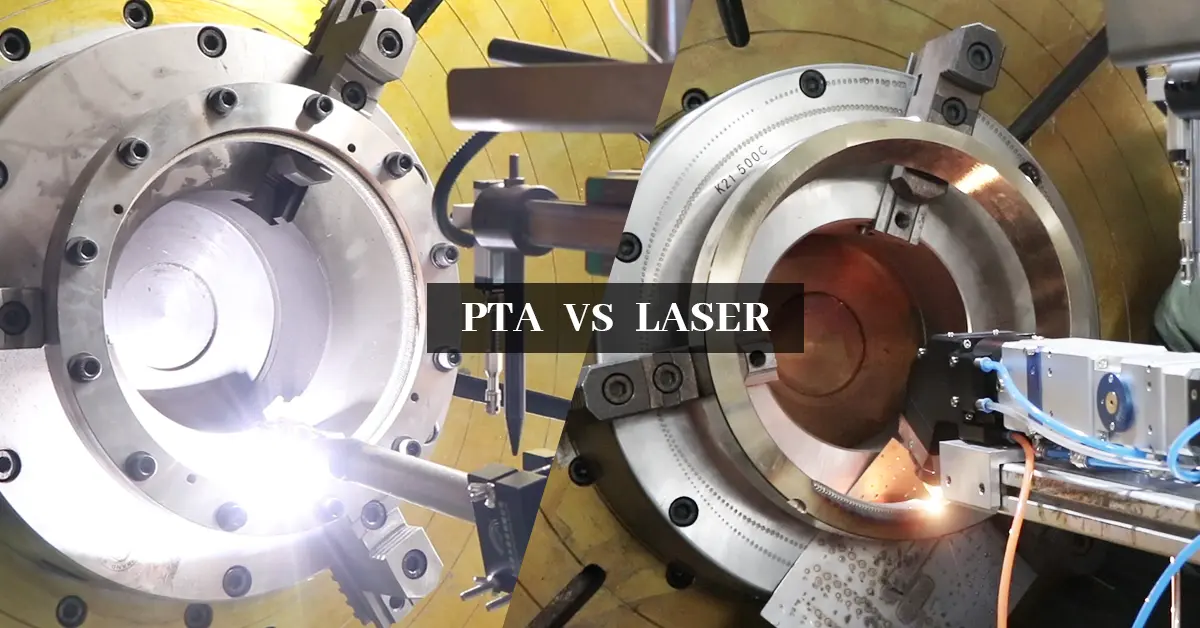
Technical guidance for procurement departments, metallurgists, and quality control managers.
Laser Cladding uses a focused laser beam as the heat source, creating a narrow heat-affected zone (HAZ) and very low dilution (often 1-3%). This makes it suitable for high-precision components like turbine blades and hydraulic cylinders. PTA cladding uses a plasma arc, which generates more heat but achieves higher deposition rates. PTA is often selected for thick coatings on large components like mining screw flights, large valves, and heavy-duty wear plates.
The dilution rate measures how much of the substrate melts and mixes with the cladding material. If the dilution rate is too high, the chromium, tungsten, or cobalt content in the cladding layer is diluted, reducing its wear and corrosion resistance. Keeping the dilution rate low (below 5% for laser cladding) preserves the intended properties of the cladding alloy.
Yes. Because laser cladding has low thermal input, it minimizes stress buildup in the base metal. This allows components to be restored multiple times, extending their service life and avoiding the cost of complete replacements.
For high-corrosion environments, nickel-based alloys (such as Hastelloy C276 or Inconel 625) are widely used. For combined wear and high-temperature corrosion, cobalt-based alloys (such as Stellite 6) are preferred. For aggressive wear, tungsten carbide particles suspended in a nickel-alloy matrix provide excellent protection.
We manage all R&D and assembly in-house. Each system is calibrated using precision optical measurement tools and undergoes testing under continuous duty cycles before shipment. We also configure automated parameters to ensure stable powder delivery, precise temperature control, and consistent travel speeds.
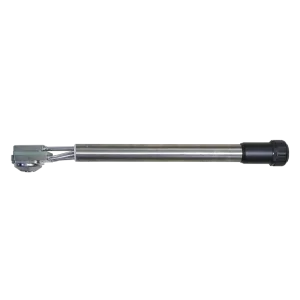
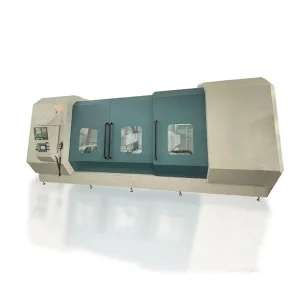
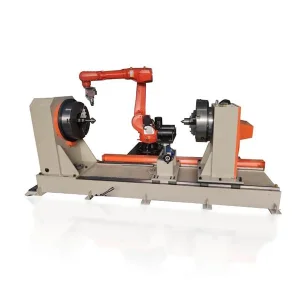
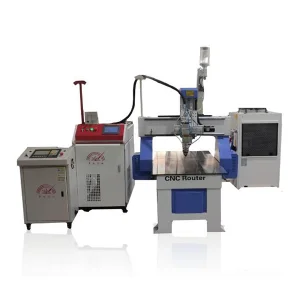
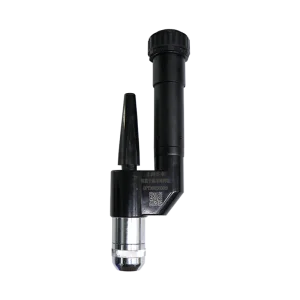
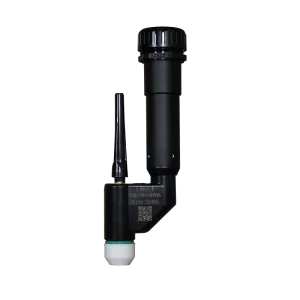
Browse our selection of specialized torches, gantry systems, and robotic positioning units for automated production lines.







For inquiries about our cladding systems, customized machinery, or detailed pricing, leave us a message and we will respond within 24 hours.
Request a Technical Consultation Duomu
Duomu