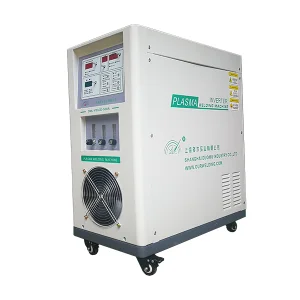
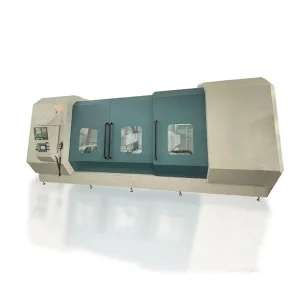
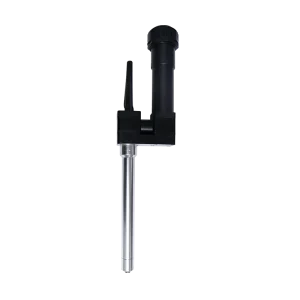
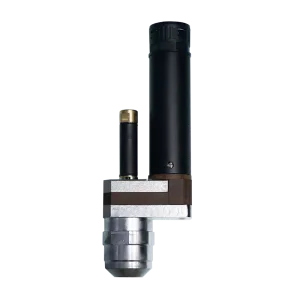
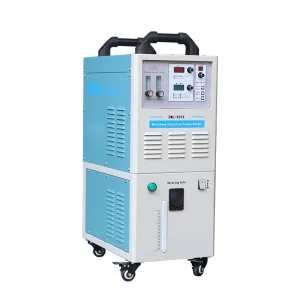
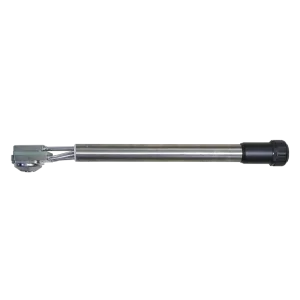
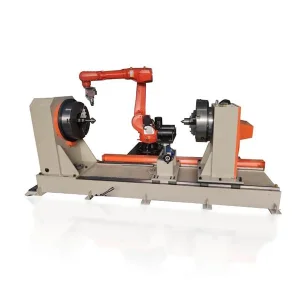
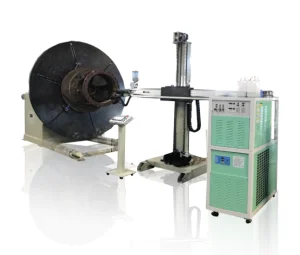
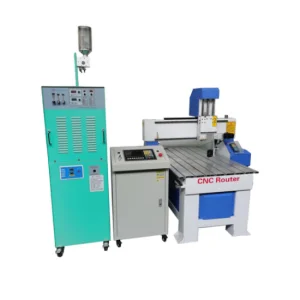
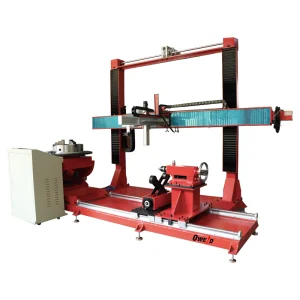
Explore our primary lineup of custom torches, laser cladding cells, and automated planar surfacing machinery designed for heavy-duty surface engineering.
In modern metallurgical surface engineering, the demand for wear-resistant, anti-corrosive, and thermal-barrier overlays has skyrocketed. Standard welding torches and conventional thermal spraying methods are increasingly failing to meet the rigorous tolerances demanded by heavy industries. Key trends defining the market include the adoption of high-efficiency Plasma Transferred Arc (PTA) surfacing and ultra-precise Coaxial Laser Cladding.
By shifting from manual oxy-fuel overlays to computerized CNC-driven plasma and laser processes, companies drastically reduce dilution rates (the mixing of substrate metal with the overlay alloy), minimizing material waste and ensuring that protective superalloys maintain their structural properties.
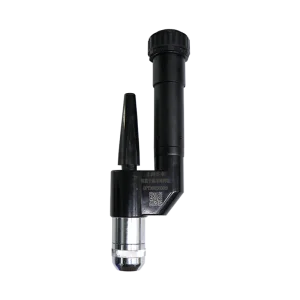
Procurement teams face critical hurdles when purchasing custom PTA and laser cladding torches. A lack of standardization in nozzle geometries, gas lens configurations, and electrode water-cooling jackets frequently leads to unplanned maintenance. International manufacturing sites require high reliability, universal consumable availability, and responsive after-sales support.
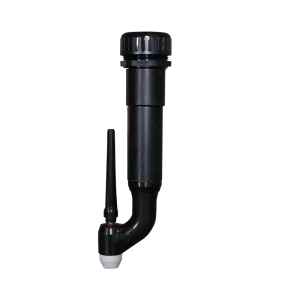
To satisfy these global sourcing specifications, leading system integrators require comprehensive customization. Whether designing a 120A Deep Hole Torch for oilfield downhole drill collars or a 500A heavy-duty plasma surfacing torch for continuous steel mill roller refurbishing, custom-engineered torch designs ensure optimal gas laminar flow, reducing porosity and guaranteeing zero-defect metallographic cross-sections.
Dual internal water cooling networks prevent pilot nozzle melting during prolonged high-amperage applications.
Custom diffusion lenses ensure stable shielding gas column structures to prevent molten pool oxidation.
Deep bore configurations allow processing within internal pipe diameters as small as 50mm without positional instability.
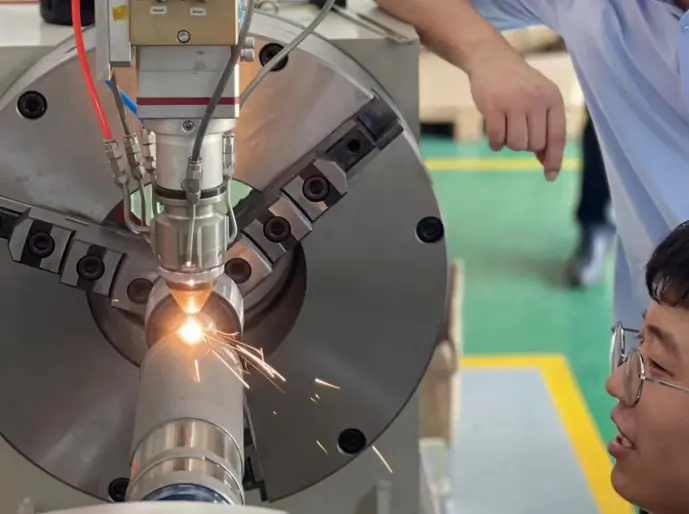
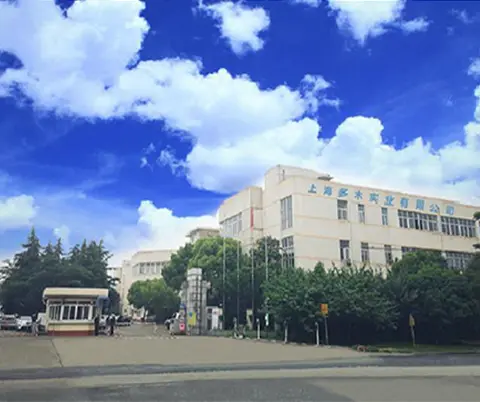
At Shanghai Duomu, our manufacturing capabilities are deeply aligned with "Factory 4.0" systems. By combining in-house CNC machining of torch bodies with localized sourcing of high-purity copper, alloy powders, and precision optical components, we offer global clients unmatched supply chain resilience.
Our integrated R&D and manufacturing loops reduce customization lead times. Standard custom torch designs transition from design validation (FEA thermal modeling) to final component testing within days, rather than months. Through localized vertical integration, we absorb macro-level supply shocks, ensuring stable prices and predictable delivery schedules.
Every torch, manipulator positioner, and laser gantry system we produce undergoes rigorous testing. Our automated laser hardening robots and multi-axis positioners are calibrated to micrometer-level positional tolerances, guaranteeing uniform clad thickness over multi-day manufacturing runs.
Our PTA cladding and laser processing technologies are deployed globally across demanding environments requiring high mechanical resistance, thermal protection, and structural integrity.

Hardfacing plowshares, tillage teeth, and harvesting blades with tungsten carbide alloys to withstand high abrasive soil wear.

Precision micro-plasma and laser cladding of turbine blade tips, structural elements, and actuators with aerospace superalloys.
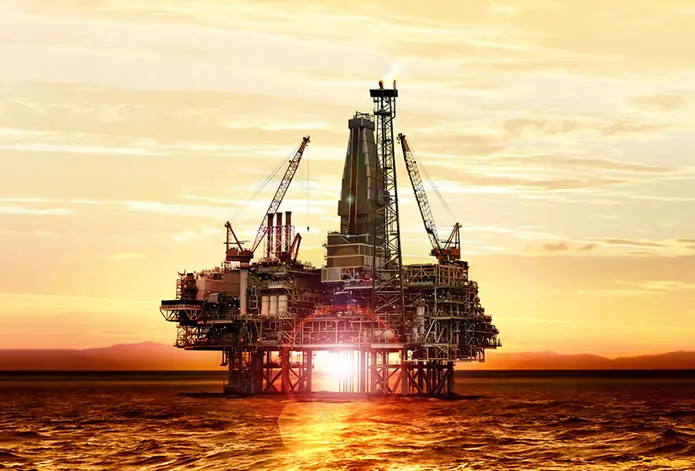
Internal cladding of drill string components, stabilizer bands, and deep bore valve assemblies against sour gas corrosion.
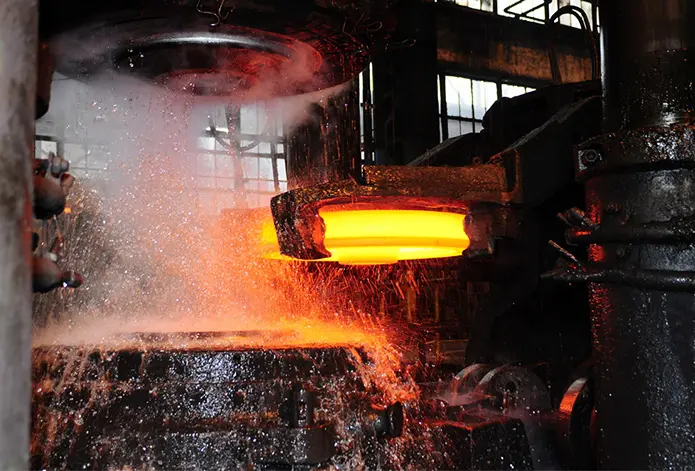
Refurbishing continuous caster rollers, hot forging dies, and heavy extrusion shafts exposed to cyclical thermal shock.
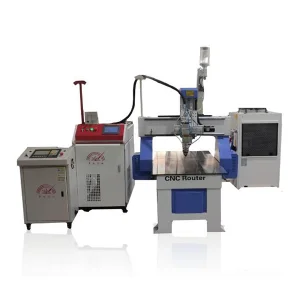
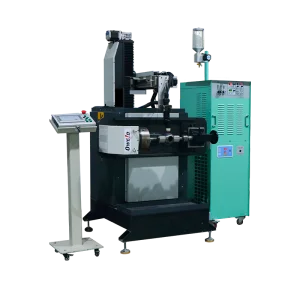
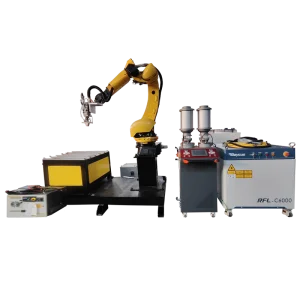
We specialize in custom systems engineered to handle highly specific manufacturing and repair tasks. Take a closer look at our featured industrial setups.
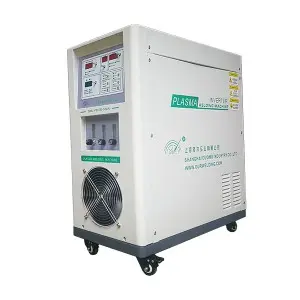
Advanced automated powder feed system optimized for thick Stellite cobalt alloy depositions.
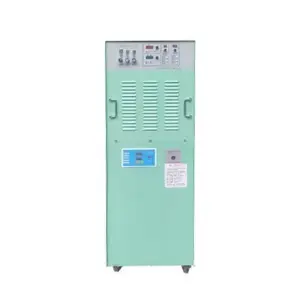
Versatile system configuration combining manual, semi-auto, and external robotic control interfaces.
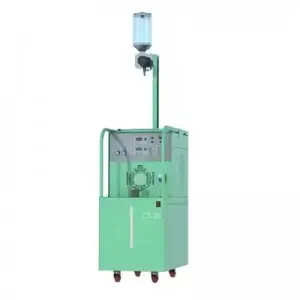
The workhorse of industrial refurbishing shops, designed for continuous, high-amperage daily operation.
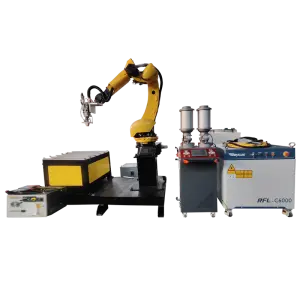
Ultra-precise optical path delivery to rebuild fine blade tips with zero dimensional distortion.
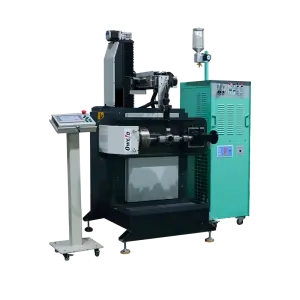
CNC-controlled multi-axis rotary positioner dedicated to high-precision sphere cladding.
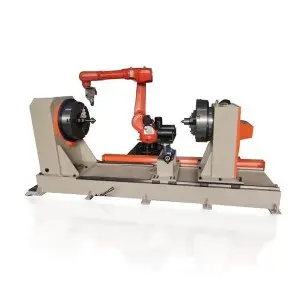
6-axis articulation coupled with high-power diode lasers for localized surface hardening.
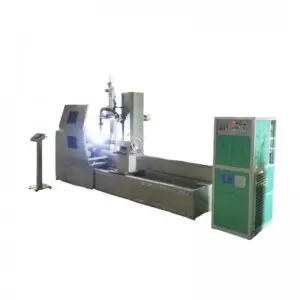
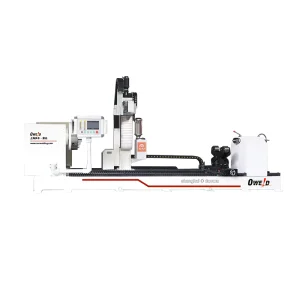
High-speed lathe-type processing cell optimized for hydraulic cylinder chrome-replacement overlays.
Shanghai Duomu has been a leading manufacturer and exporter of PTA cladding machines and Laser cladding machines for more than ten years with a strong technical background. Our dedication to design iteration and field testing has placed us at the forefront of the surface engineering sector in Asia and globally.
Our independent R&D team develops, produces, and sells plasma cladding machine equipment. Our welding machines possess highly stable performance profiles to maintain efficient, long-term operation under heavy industrial conditions.
In addition, our laser cladding equipment supports large-scale remanufacturing projects. We offer mature technological strategies to provide complete sets of industrial equipment solutions suited to demanding manufacturing pipelines.
Real feedback and metallurgical analysis from partners who have integrated our PTA and Laser Cladding solutions.
"The PTA Welding Valve Application Guide is not just a process choice for valve manufacturers facing high wear, high corrosion, and high-temperature erosion working conditions, but also a key path to improving product competitiveness. As petrochemical sectors expand, this tooling has stabilized our yields."
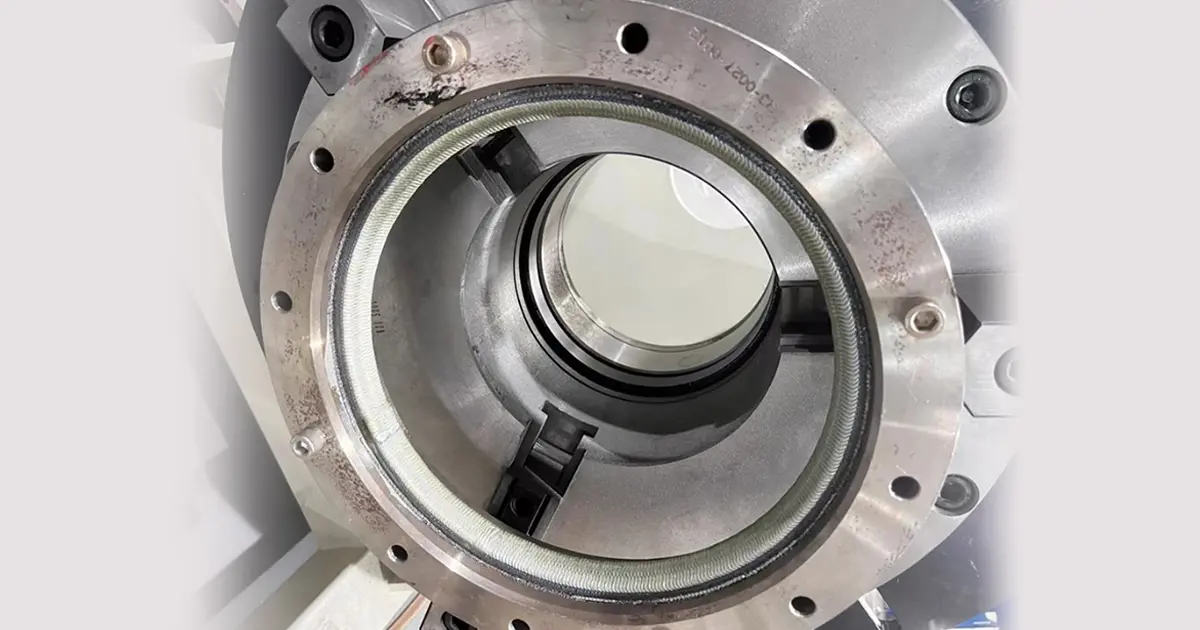
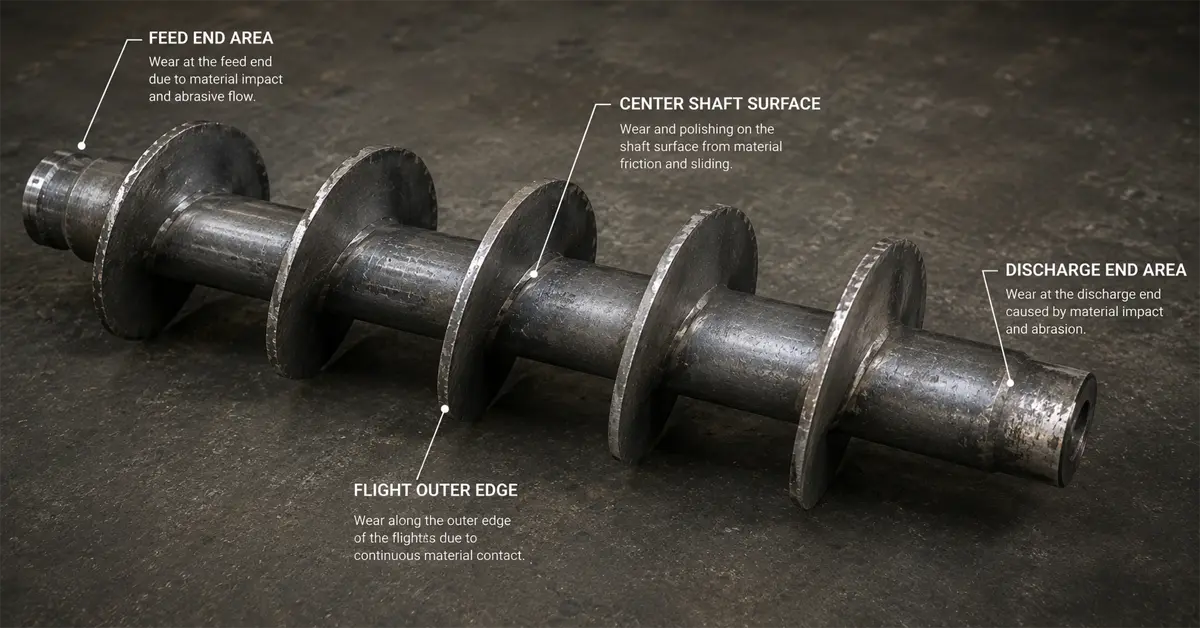
"In mining, cement, and chemical processing, screw conveyors are critical. Maintenance data shows they are main causes of unplanned downtime. Hardfacing these parts using Duomu's continuous feed PTA system extended operational life by over 300%."
"Achieving a high-quality overlay is not only about selecting the right alloy powder or optimizing welding parameters. One of the most critical factors that directly affects performance is the dilution rate. Shanghai Duomu torches give us reliable control under 5% dilution."
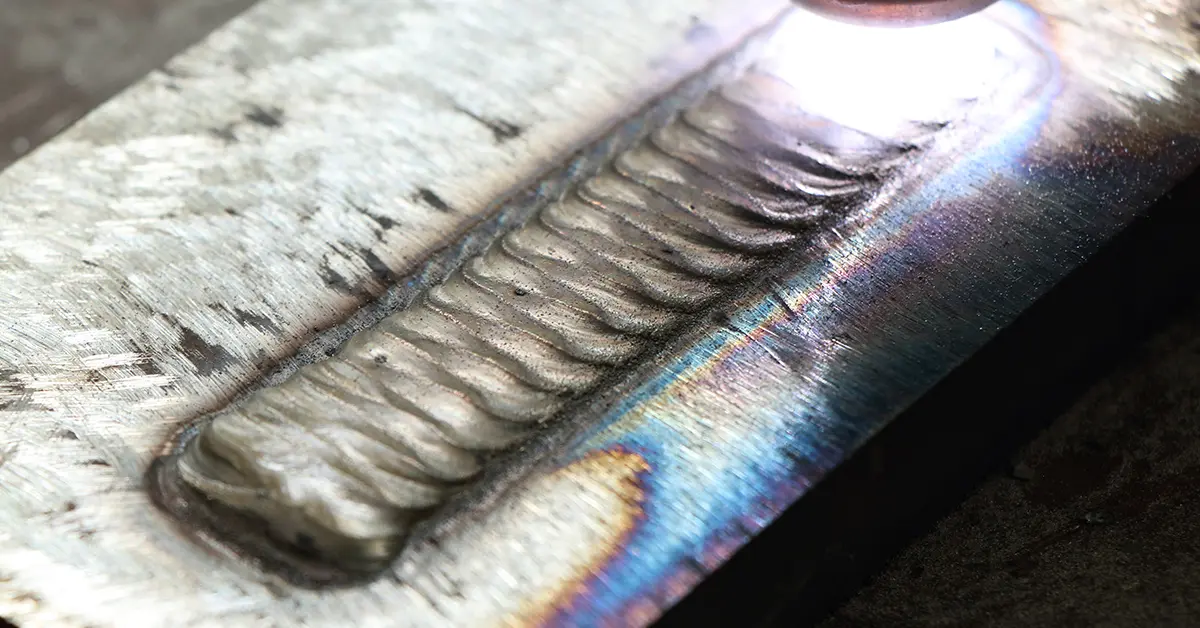
"In Oil & Gas, Mining, Power Generation, and Heavy Equipment, hardfacing is no longer just repair. It has become a critical technology directly related to equipment lifespan, downtime costs, maintenance frequency, and component safety."
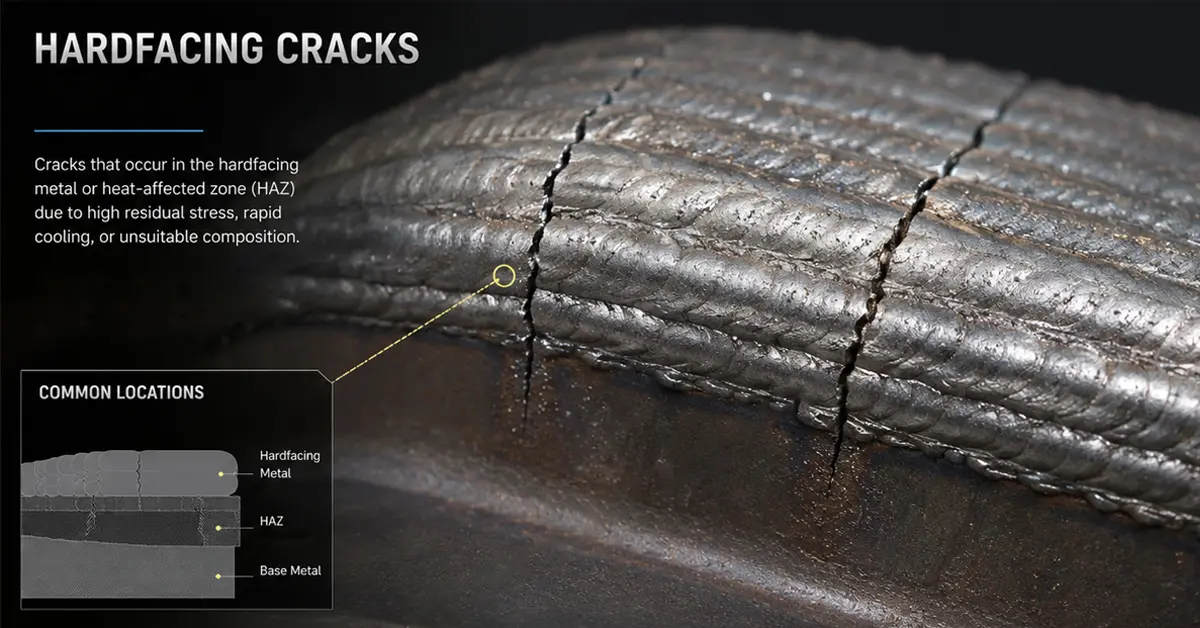
"Industrial valves constantly face severe operating conditions: high pressure, extreme temperatures, corrosive media, abrasive wear, and sand erosion. Applying automated cobalt-base PTA cladding has successfully replaced expensive solid-alloy valve castings."
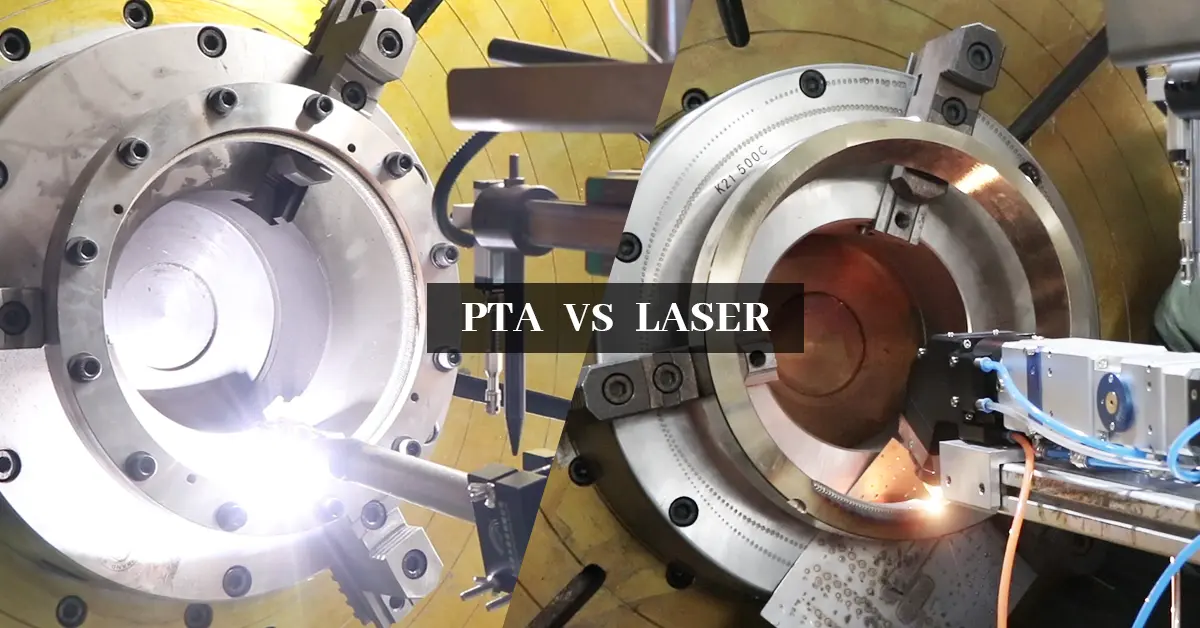








Understanding the mechanical properties and thermal distribution profiles of the two dominant surfacing techniques is critical for optimal equipment procurement.
Process Mechanics: PTA uses a constricted plasma arc column to melt both the surface of the base material and a metered stream of metallic alloy powder.
Best For: High-thickness layers (1.5mm to 6mm in a single pass), rapid deposition rates (up to 8kg/hour), and cost-effective hardfacing using heavy carbide materials.
Typical Applications: Mining buckets, extrusion screws, and agricultural tines where thick protective overlays are critical for longevity.
Process Mechanics: Laser cladding utilizes a highly focused, monochromatic laser light source (typically diode or fiber) to melt a localized zone on the base metal while coaxially spraying alloy powder.
Best For: Minimal heat-affected zones (HAZ), low dilution rates (under 3%), thin high-precision layers (0.2mm to 1.5mm), and minimal dimensional distortion of critical components.
Typical Applications: Turbine blades, hydraulic rod cylinders, and precision automotive molds requiring minimal finish machining.
Real-world operating environments subject components to complex degradation forces. For instance, in marine environments, components face a combination of high-salinity corrosion and mechanical friction. Traditional electroplating processes like Hard Chrome plating are increasingly restricted due to environmental regulations.
Our Solution: The integration of automated laser cladding cells allows factories to apply Nickel-Chromium-Boron-Silicon (NiCrBSi) alloys directly onto hydraulic shafts. This creates a dense, pore-free barrier layer that completely eliminates the risk of sub-surface delamination.
For heavy material transport, our DNC2000 Planar Surfacing Systems deposit tungsten carbide matrix composites onto wear plates, maintaining processing efficiency under high abrasive pressures.
Discover our dedicated positioners, gantry systems, and high-power cladding stations designed for high-tonnage heavy industry remanufacturing.
Find answers to common technical queries regarding custom cladding torch design, integration limits, and operational parameters.
For inquiries about our products, customization capacities, or current price list, leave us your specifications and our R&D engineering department will get in touch within 24 hours.
 Duomu
Duomu