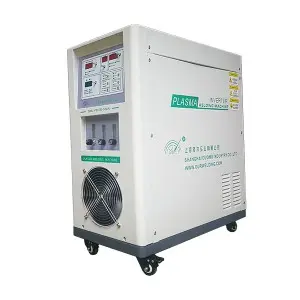
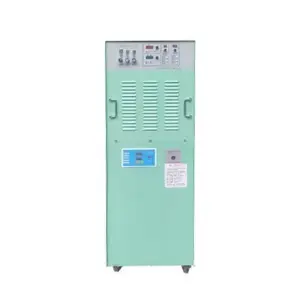
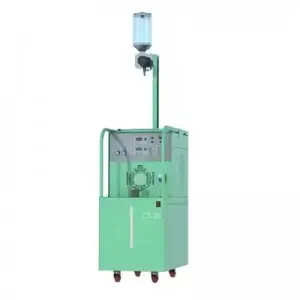
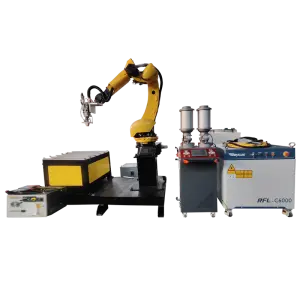
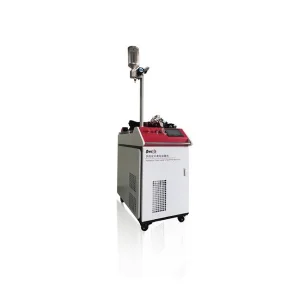
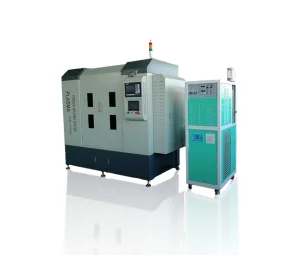
Explore our high-tier PTA (Plasma Transferred Arc) systems and components designed for absolute reliability and industrial-grade hardfacing.
In Plasma Transferred Arc (PTA) welding and cladding, the choice and control of gas di saldatura al plasma (plasma welding gases) represent the core variable determining arc density, weld pool chemistry, and final overlay mechanical integrity. Unlike standard gas metal arc processes, PTA welding relies on a dual-gas configuration: the orifice (plasma) gas and the shielding gas.
The central plasma gas must consist of high-purity inert elements—predominantly Argon (99.999% purity). Ionized inside the torch nozzle under extreme electric fields, this gas creates the concentrated, high-velocity plasma jet. Introducing trace percentages of Hydrogen or Helium modifies the thermal conductivity profile, allowing operators to fine-tune the heat input and geometry of the fusion zone, particularly in heavy wear surfacing.
At the outer boundary, the shielding gas prevents ambient oxygen and nitrogen contamination. The fluid mechanics of this shield dictate the dilution rate, a critical metric measuring how much base metal mixes with the wear-resistant surfacing alloy. Precise flow regulation reduces oxides, leading to pristine surface finishes with minimal macro-porosity.
Years of R&D Excellence
Gas Shielding Purity
Lower Dilution Rates
Industrial Projects Installed
Shanghai Duomu's specialized plasma cladding and hardfacing solutions support heavy machinery operating in extreme thermal, physical, and chemical environments.
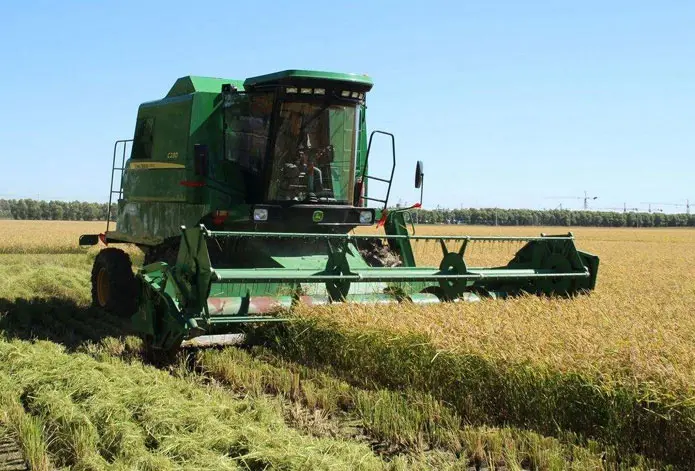

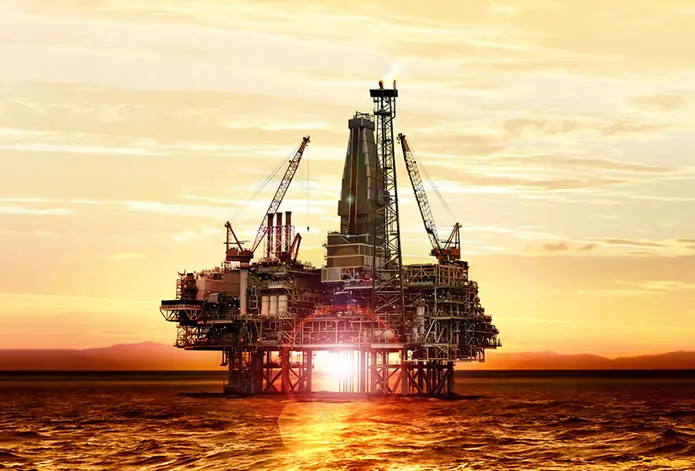
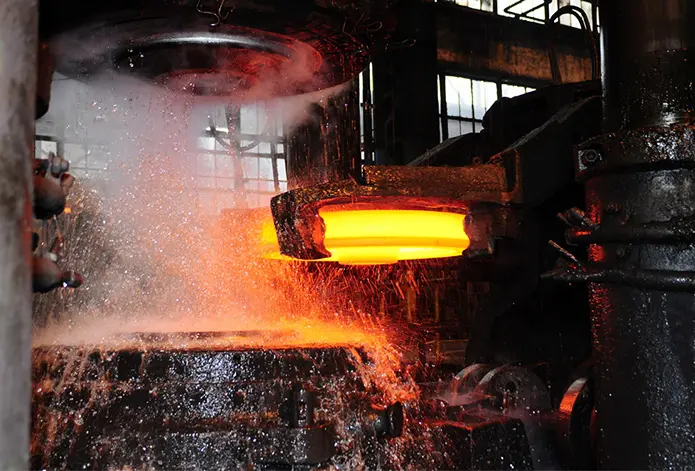
Currently, our advanced PTA and laser surfacing solutions have successfully penetrated high-barrier sectors, including nuclear power, petrochemical processing, coal mining, agriculture, water conservancy, and electrical grid infrastructure.
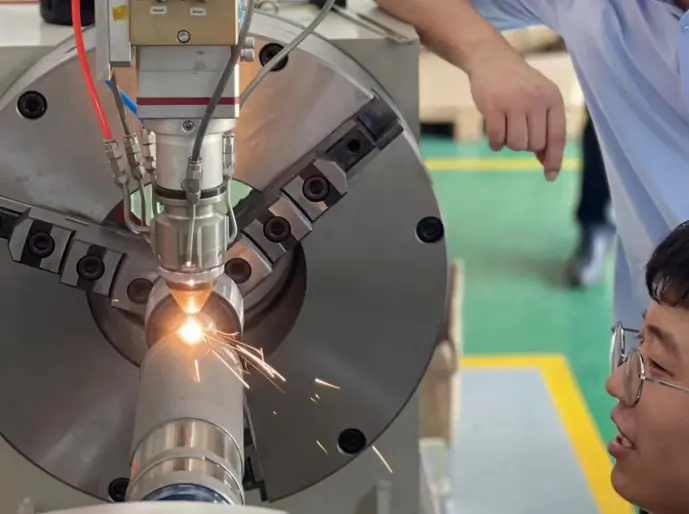
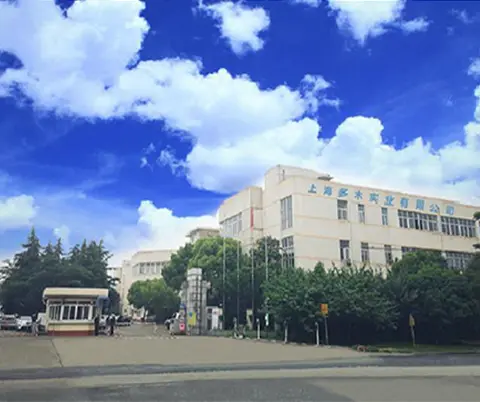
Shanghai Duomu has established itself as an authoritative manufacturer and exporter of PTA cladding systems and Laser cladding machinery for over a decade. Our technical advantage is anchored in our independent, dedicated Research & Development team that controls every phase of the design, engineering, and configuration process.
Our proprietary PTA systems feature advanced gas-flow stabilization controls. By accurately regulating the *gas di saldatura al plasma*, our equipment keeps the arc column stable over extended operational runs, minimizing weld spatter and dilution. Our heavy-duty laser cladding setups support large-scale industrial remanufacturing, offering turn-key solutions tailored to the production needs of our global partners.
Combining structural supply chain integration with advanced gas dynamics control to deliver superior global value.
Shanghai Duomu integrates CNC tooling, automated powder feeding, and gas management hardware within our domestic production facility. This ensures complete component compatibility and minimizes foreign supply chain dependencies.
Every PTA machine undergoes dynamic test cycles to verify gas seals and flow stability. We run continuous arc testing with high-purity argon mixtures to guarantee stable pilot arcs and steady deposition rates before shipping.
Our machinery supports multi-language interfaces and easily integrates with international electrical protocols (CE, UL, CSA). We back every machine with remote support and on-site engineering consultations for high-scale buyers.
The industrial hardfacing and surfacing market is transitioning rapidly toward digital controls and integrated automation. Key structural shifts include:
From automatic plasma cladding setups for heavy hydraulic cylinders to high-precision robotic systems, we customize each unit for your specific metallurgy needs.
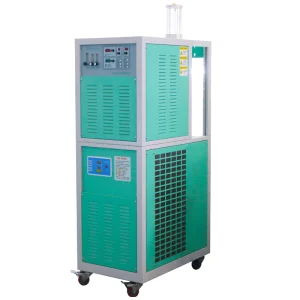
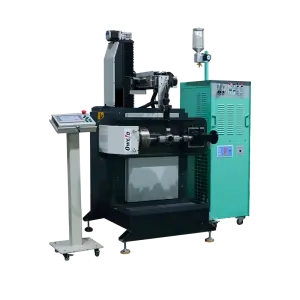
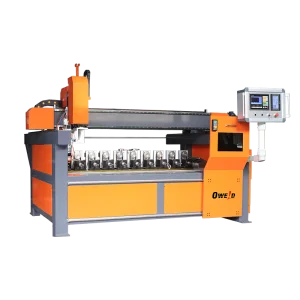
Ideal for flat and cylindrical hardfacing with precise powder feed control.
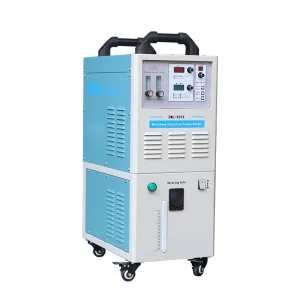
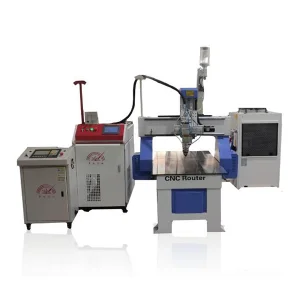
Multi-process versatility supporting both micro-plasma and high-current cladding.
Heavy-duty, floor-standing unit optimized for massive structural overlays.
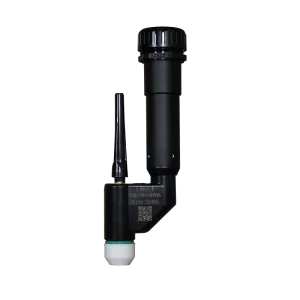
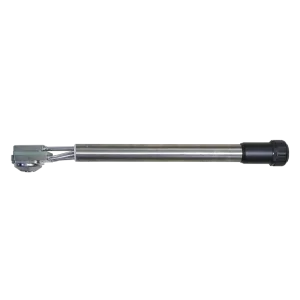
Highly-focused thermal delivery designed for thin blade edges with zero distortion.
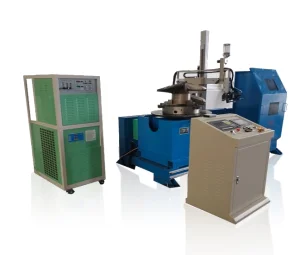
Fully integrated rotators engineered for spherical valve surface cladding.
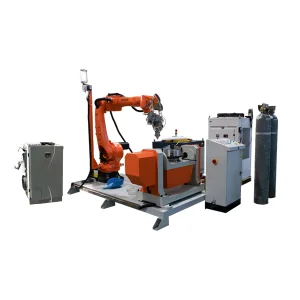
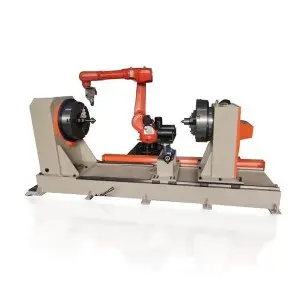
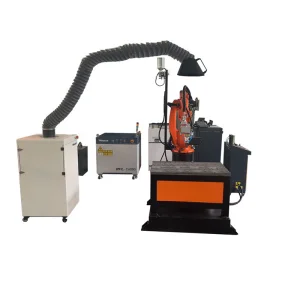
Flexible robotic arm configured for selective heat hardening of complex geometry parts.
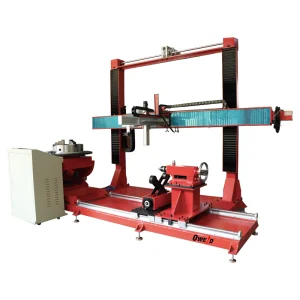
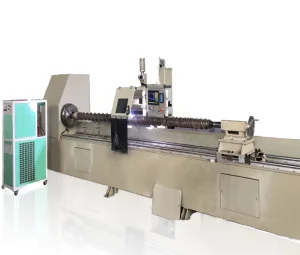
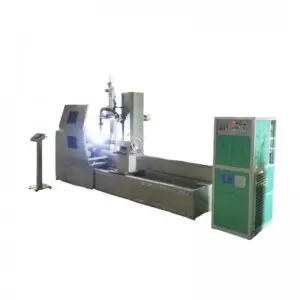
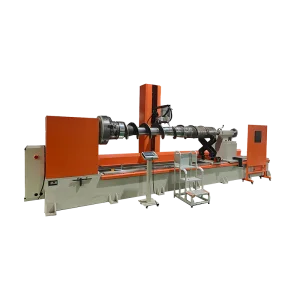
Automated, long-stroke cladding system built specifically for heavy hydraulic shafts.
Discover how engineering departments use our automated cladding machinery to overcome critical wear, corrosion, and erosion challenges.
"The PTA Welding Valve Application Guide is not just a process choice for valve manufacturers facing high wear, high corrosion, and high-temperature erosion working conditions, but also a key path to improving product competitiveness. As industries such as petrochemical, power generation, and chemical processing demand extreme uptime, integrating specialized gas control PTA has become essential."
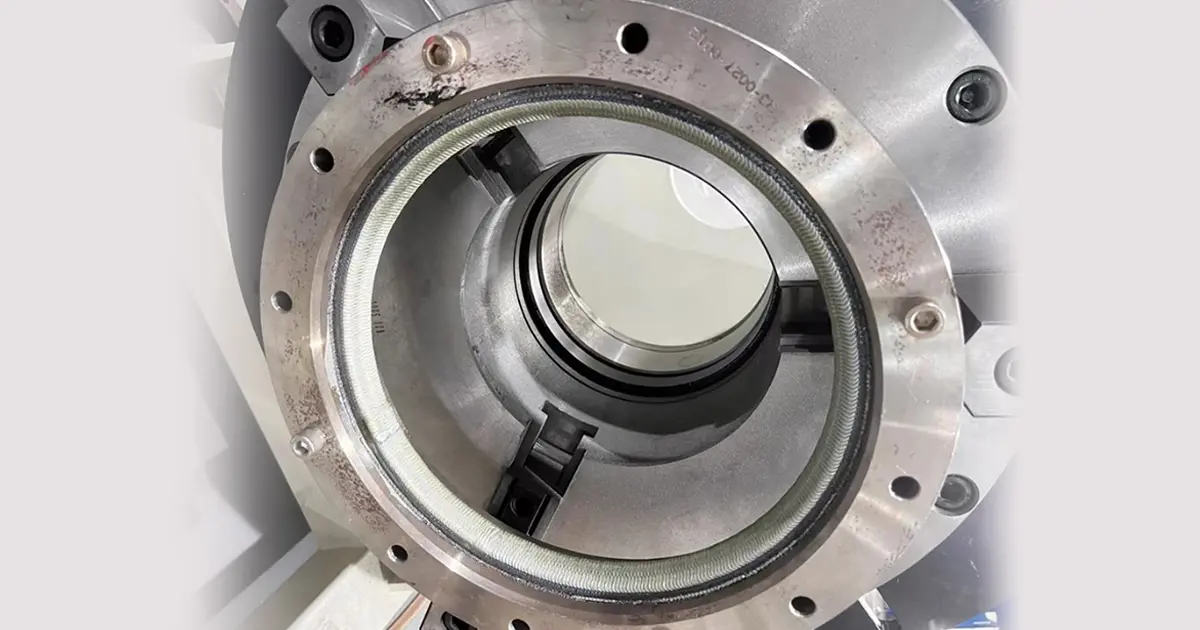
"In industries such as mining, cement, power generation, steelmaking, chemical processing, and biomass energy, screw conveyors are often regarded as auxiliary equipment. However, maintenance data shows that they are among the most frequent causes of unplanned production delays. Standardizing our screw overlays using automated PTA cladding reduced our replacement frequency by 4x."
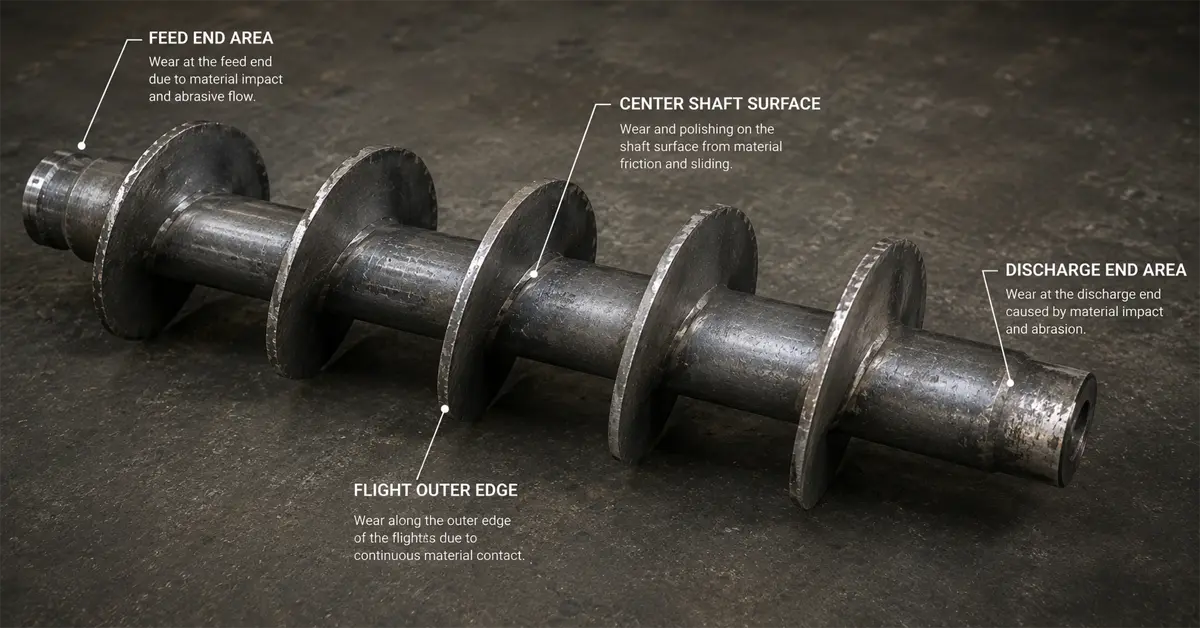
"In Plasma Transferred Arc (PTA) hardfacing, achieving a high-quality overlay is not only about selecting the right alloy powder or optimizing welding parameters. One of the most critical factors that directly affects overlay performance is the dilution rate. Whether you require minimum base metal intrusion or custom gas mixtures, proper gas shielding control is paramount."
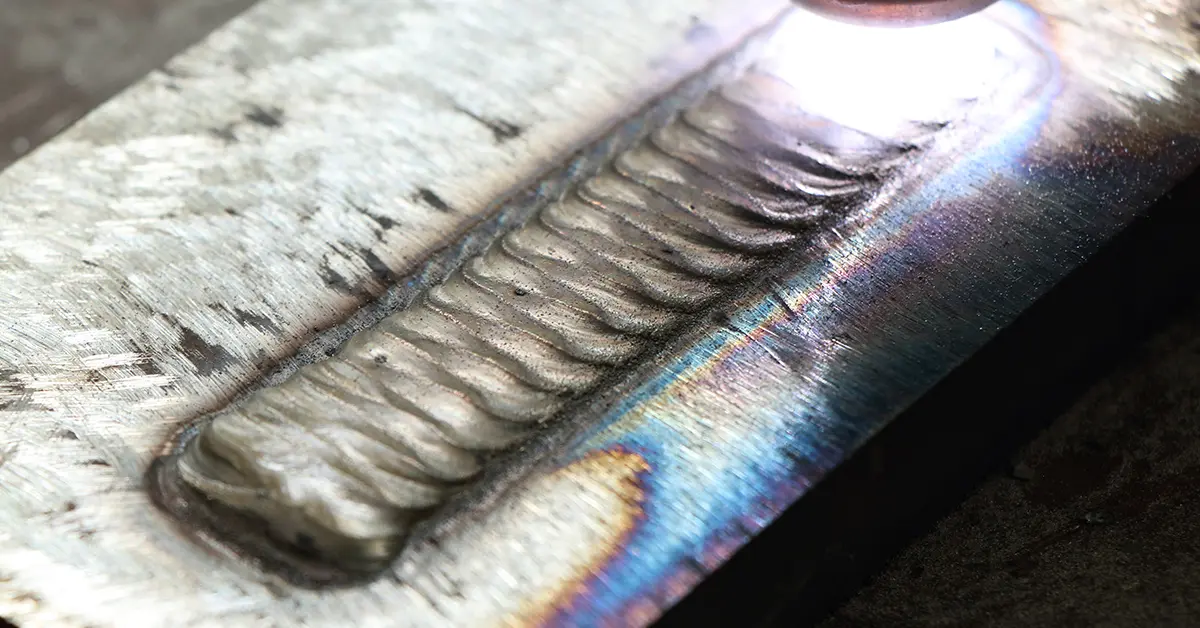
"In industries such as Oil & Gas, Mining, Power Generation, Cement, and Heavy Equipment Manufacturing, hardfacing is no longer just a repair process. It has become a critical technology directly related to equipment lifespan, downtime costs, maintenance frequency, and overall bottom-line productivity in abrasive mining zones."
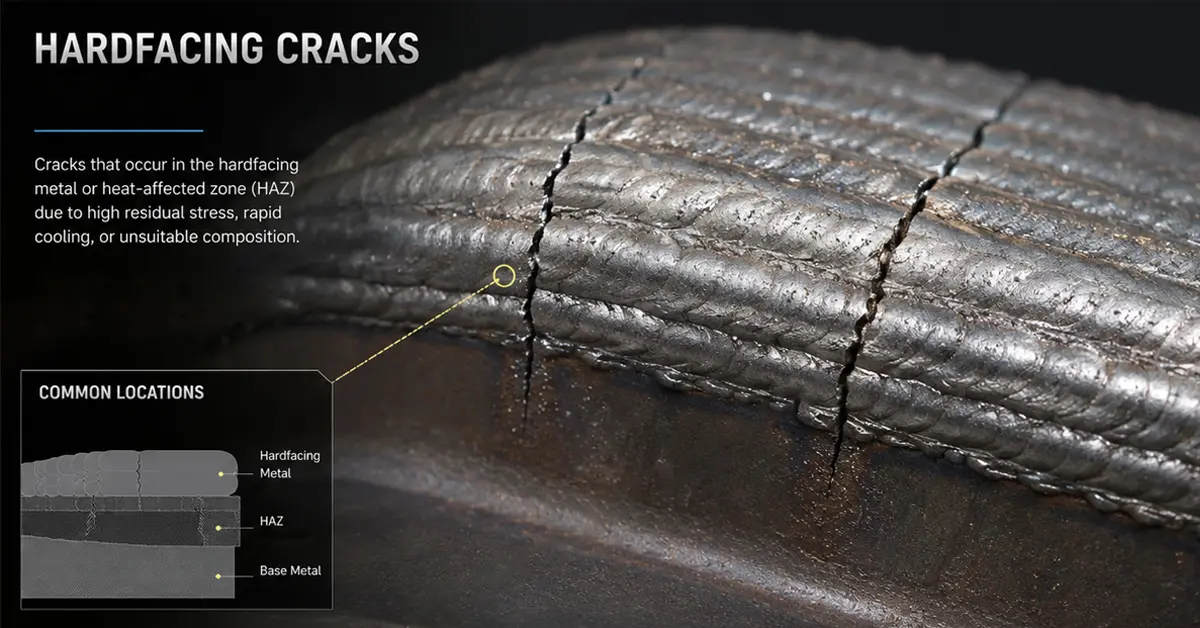
"In industries such as oil & gas, petrochemical, power generation, mining, and marine engineering, industrial valves are constantly exposed to severe operating conditions including high pressure, extreme temperatures, corrosive media, abrasive wear, and sand erosion. Our hardfacing systems resolve these issues at their core."
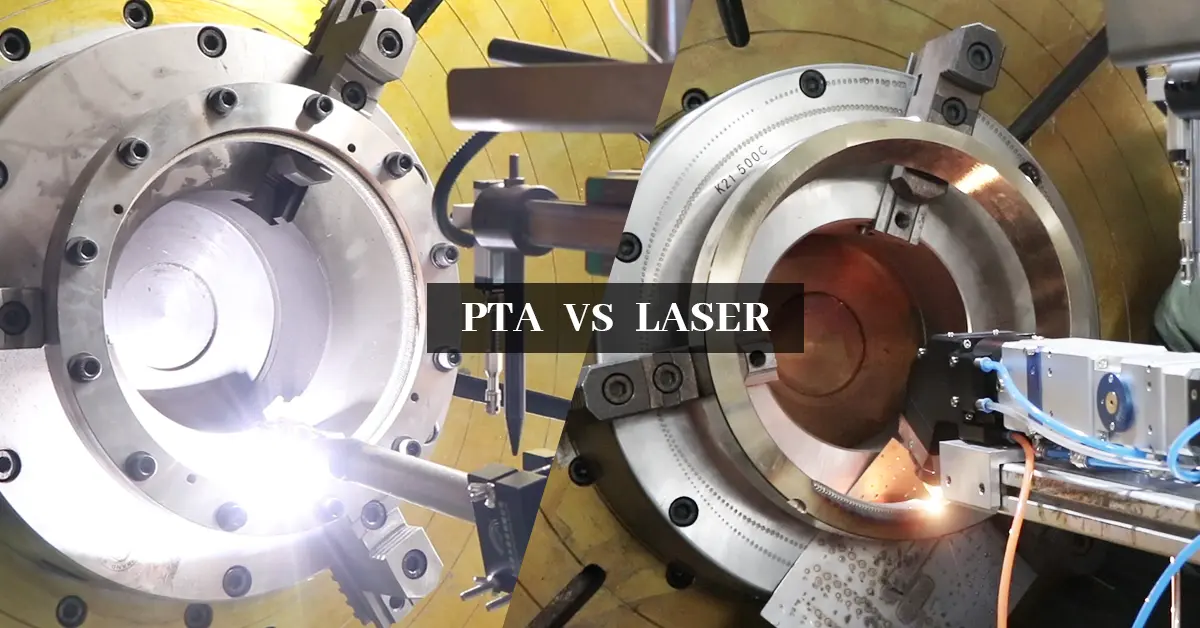
In-depth insights into process parameters, shielding setups, gas flow, and system maintenance.




Heavy-duty, low-dilution industrial machinery engineered for reliable, high-performance wear surfacing.
For inquiries about our products, mechanical specifications, or custom configurations, leave your message and our engineering team will get in touch with you within 24 hours.
Request Consultation & Quote Duomu
Duomu