Decoding the nuances of Metal Inert Gas (MIG) and Metal Active Gas (MAG) for modern manufacturing.
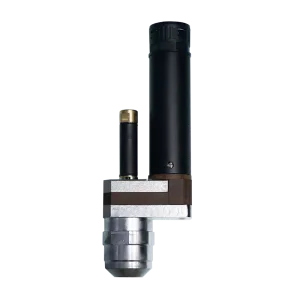
The core difference between MIG and MAG welding lies in the shielding gas. MIG (Metal Inert Gas) uses inert gases like Argon or Helium, which do not react with the molten pool, ideal for non-ferrous metals. MAG (Metal Active Gas) uses active gas mixtures (CO2 or O2 with Argon) that react with the weld pool to enhance penetration and stabilize the arc in carbon steels.
Manufacturers distinguish MIG for aluminum, magnesium, and copper alloys where oxidation must be strictly avoided. Conversely, MAG is the powerhouse for industrial steel fabrication, offering higher speed and better fusion characteristics for heavy structural components.
From an SEO and growth perspective, understanding "Information Gain" means looking beyond the torch. Modern factories integrate these processes into Automated Plasma Cladding and Laser Systems to achieve surface hardness and corrosion resistance that standard MIG/MAG cannot reach alone.
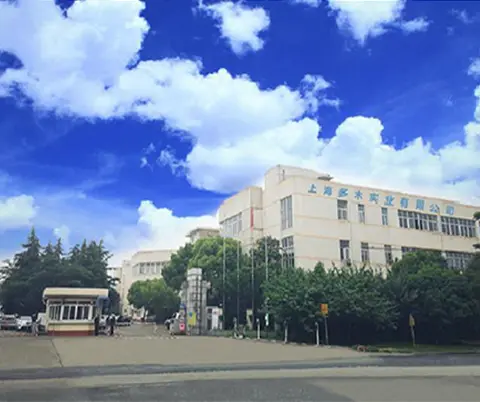
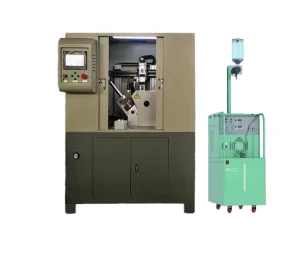
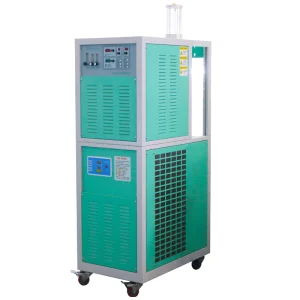
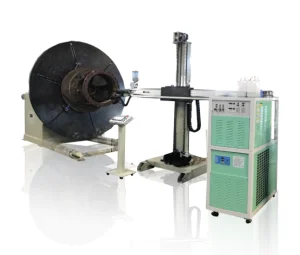
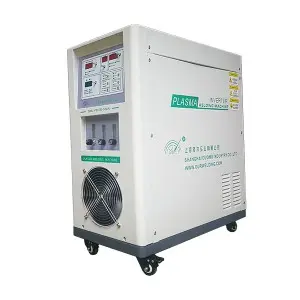
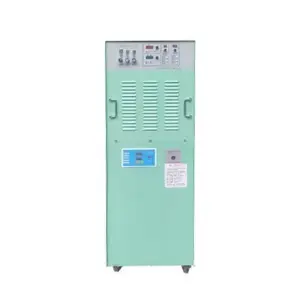
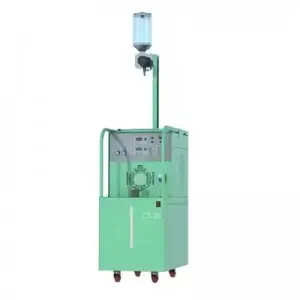
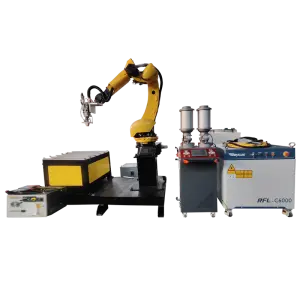
Shanghai Duomu has been a leading manufacturer and exporter of PTA cladding machine and Laser cladding machine for more than ten years with a strong technical background. Our expertise extends beyond standard welding to high-precision surfacing technologies that redefine equipment lifespan.
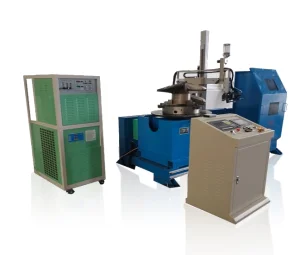
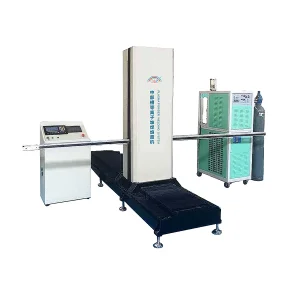
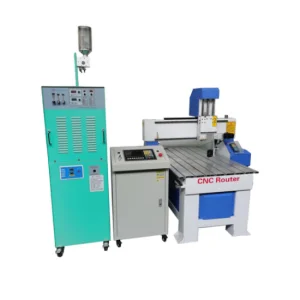
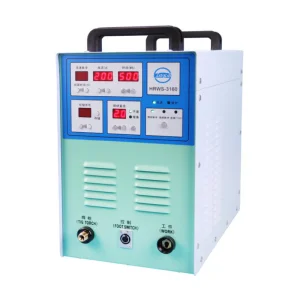
I have an independent R&D team, which develops, produces and sells plasma cladding machine equipment. The welding machine has stable performance and can maintain efficient long-term operation. In addition, the laser cladding equipment sold by the company can effectively support large-scale remanufacturing projects. We have mature technological means to provide complete sets of industrial equipment solutions.
Our focus on Search Intent Mining ensures we provide solutions that solve specific engineering bottlenecks: from hydraulic rod cladding to valve surfacing.
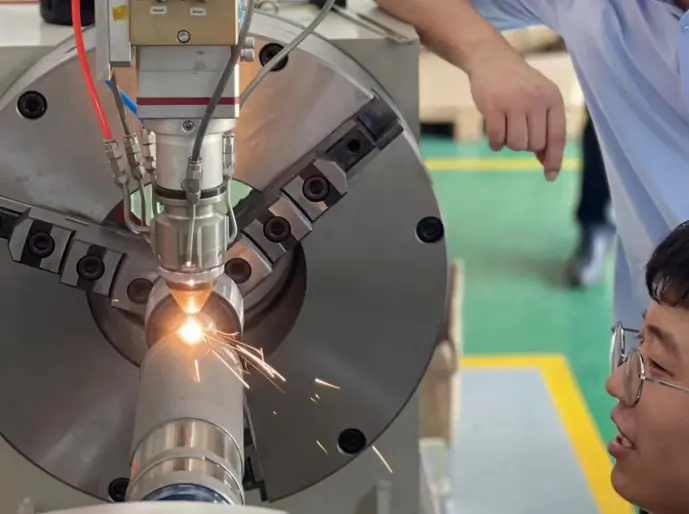
The synergy of vertical integration, cost-efficiency, and rapid prototyping.
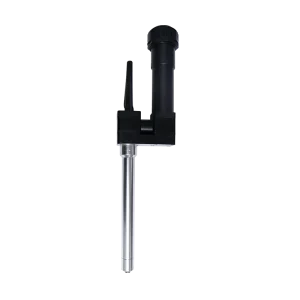
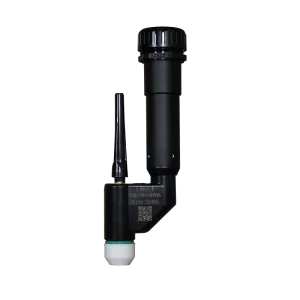
Chinese factories excel in the speed of transition from R&D to full-scale production. Whether it's a Custom Laser Cladding Machine or specialized MIG/MAG torches, the lead time is significantly reduced through local component availability.
By optimizing the supply chain for raw materials like tungsten electrodes and high-alloy powders, we provide "High-Quality" without the prohibitive "Western Markup," ensuring better ROI for global enterprises.
From the power source to the robotic manipulator, our facility controls the entire stack. This integration is vital for maintaining the E-E-A-T standards required by aerospace and nuclear industries.
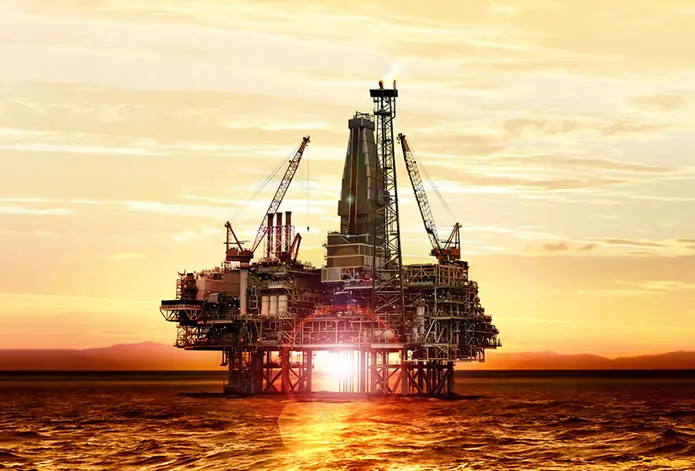
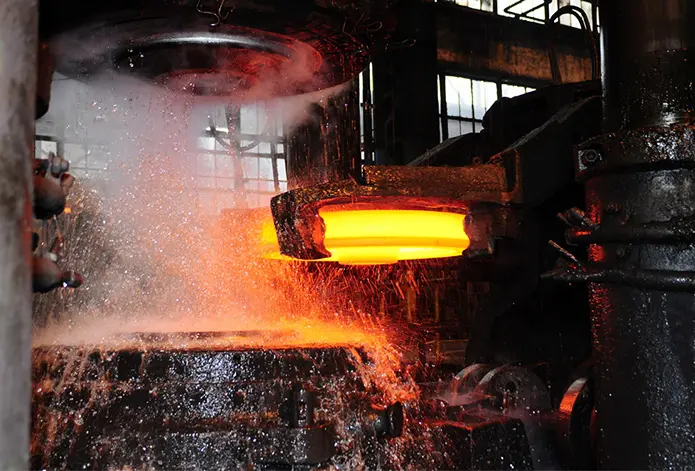
At present, the company's products have penetrated into many fields such as aerospace military industry, nuclear power, petrochemical industry, coal mines, metallurgy and forging, agriculture, water conservancy and electric power, etc.


Staying ahead of the technological curve.
The next generation of MIG/MAG and PTA systems will use machine vision to analyze weld pool dynamics in real-time, adjusting parameters to eliminate defects before they occur.
Laser cladding for shaft repair is no longer just a cost-save; it's a "Green" initiative. Extending the life of a component by 300% drastically reduces the carbon footprint of heavy industry.
Combining the speed of MIG with the precision of Laser (Laser-MIG Hybrid) is becoming the standard for automotive and shipbuilding sectors seeking high-speed, low-distortion results.
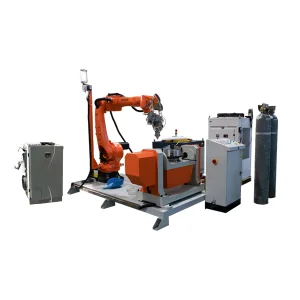
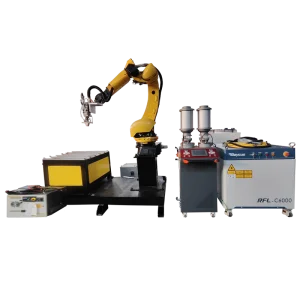
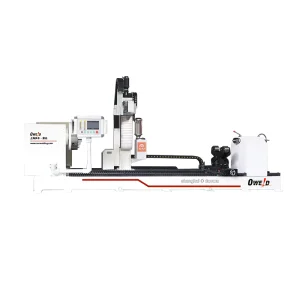
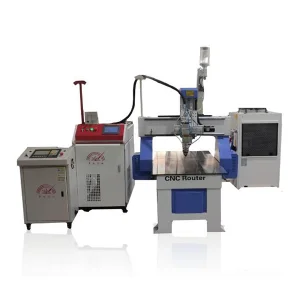
We can provide customized equipment, automatic laser cladding equipment, automatic plasma cladding equipment, intelligent robot cladding equipment, etc. according to customers' requirements.
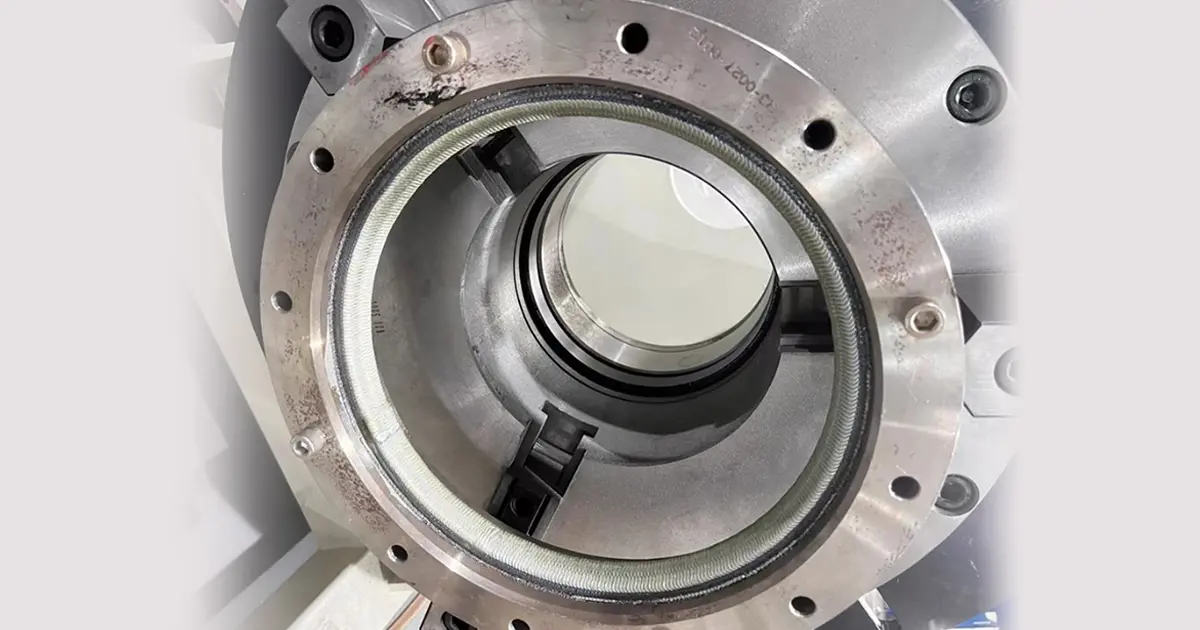
"The PTA Welding Valve Application Guide is not just a process choice for valve manufacturers facing high wear, high corrosion, and high-temperature erosion working conditions, but also a key path to improving product competitiveness."
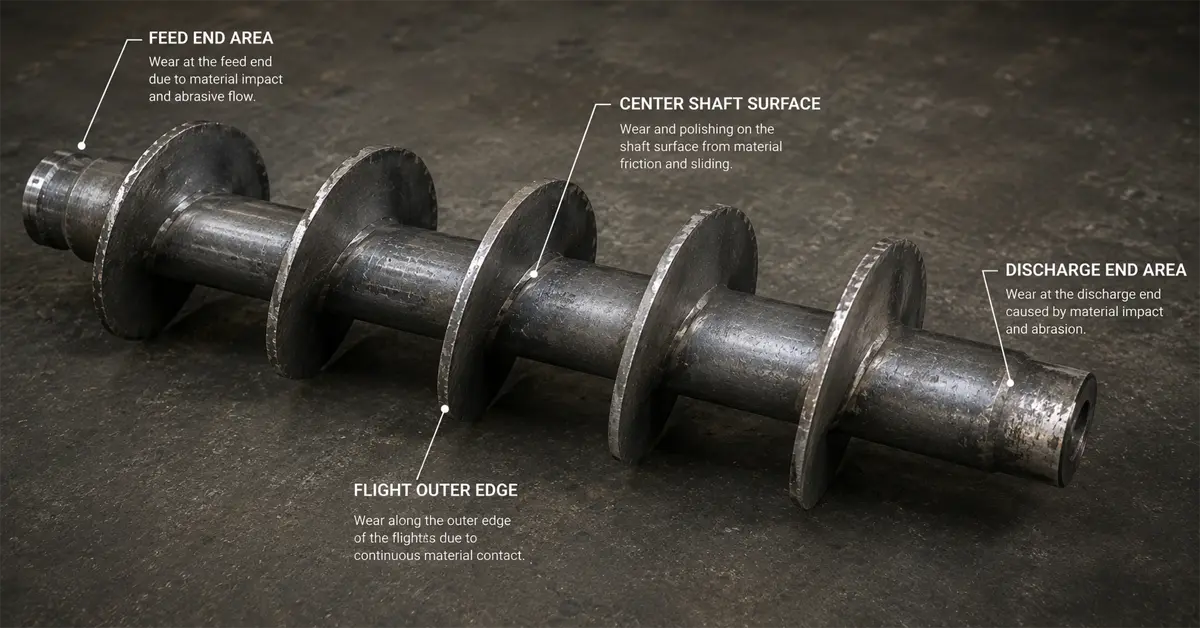
"In industries such as mining, cement, and power generation, screw conveyors are frequent causes of unplanned production delays. Duomu's cladding systems have changed our maintenance cycle."
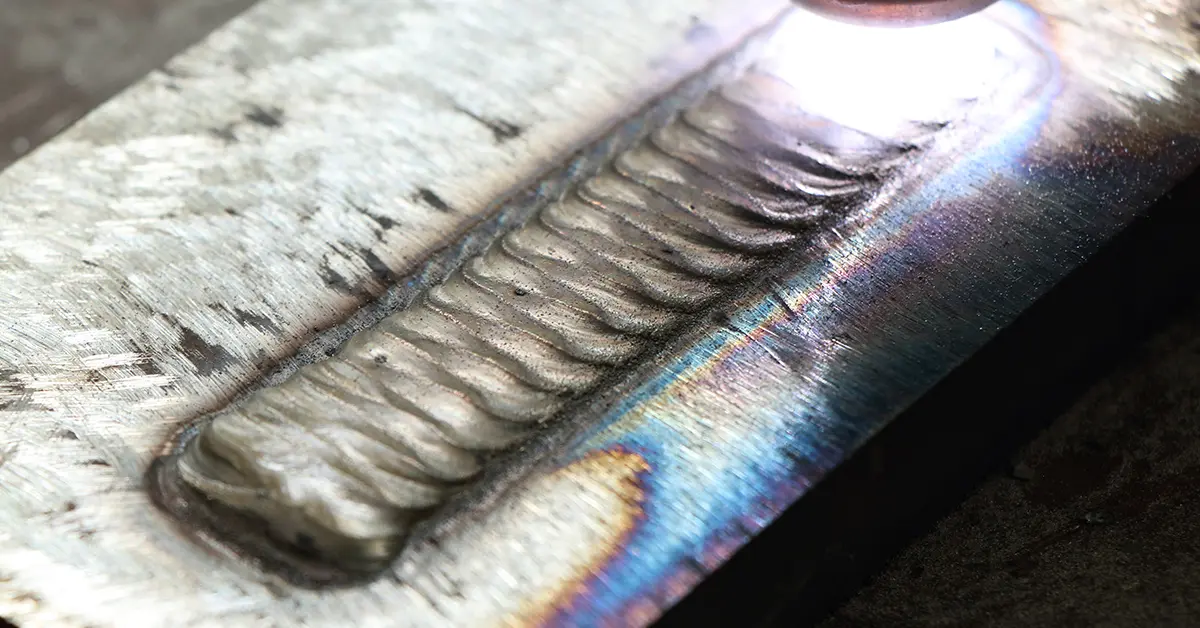
"In Plasma Transferred Arc (PTA) hardfacing, achieving a high-quality overlay depends on the dilution rate. Duomu's equipment offers the control we need."




 Duomu
Duomu