Maximize productivity and equipment lifecycle with our industry-proven robotic systems and specialized torches.
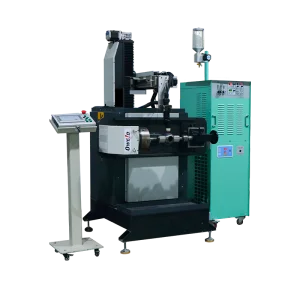
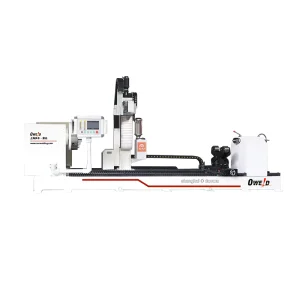
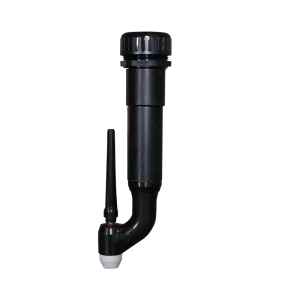
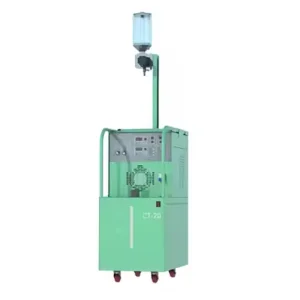
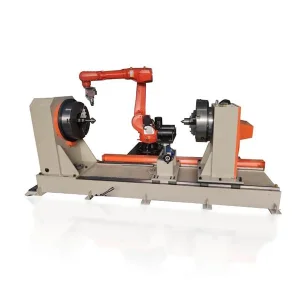
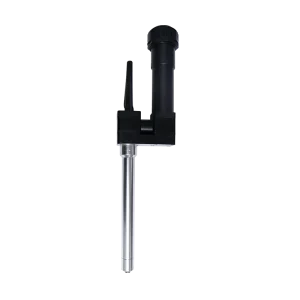
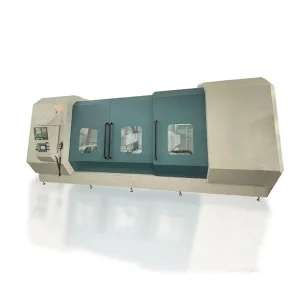
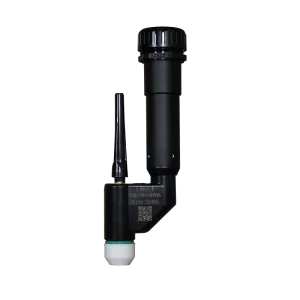
Exploring state-of-the-art cladding techniques, plasma transference, and mechanical performance optimization in aggressive environments.
In the modern manufacturing landscape, Spawanie Stali Nierdzewnej (Stainless Steel Welding) has transitioned from a fundamental joining process into a highly specialized discipline of surface engineering. Stainless steels, known for their high chromium and nickel content, offer superior corrosion resistance and mechanical strength. However, when these materials are exposed to severe abrasive wear, erosive cavitation, and extreme thermal cycling, standard alloys can suffer from premature degradation.
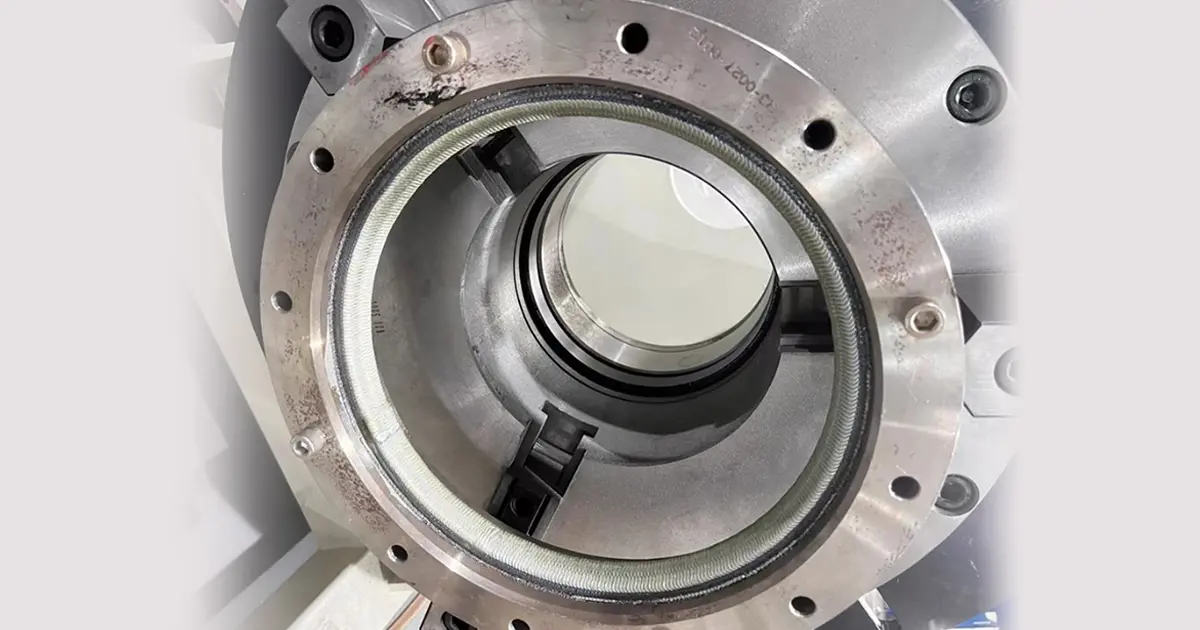
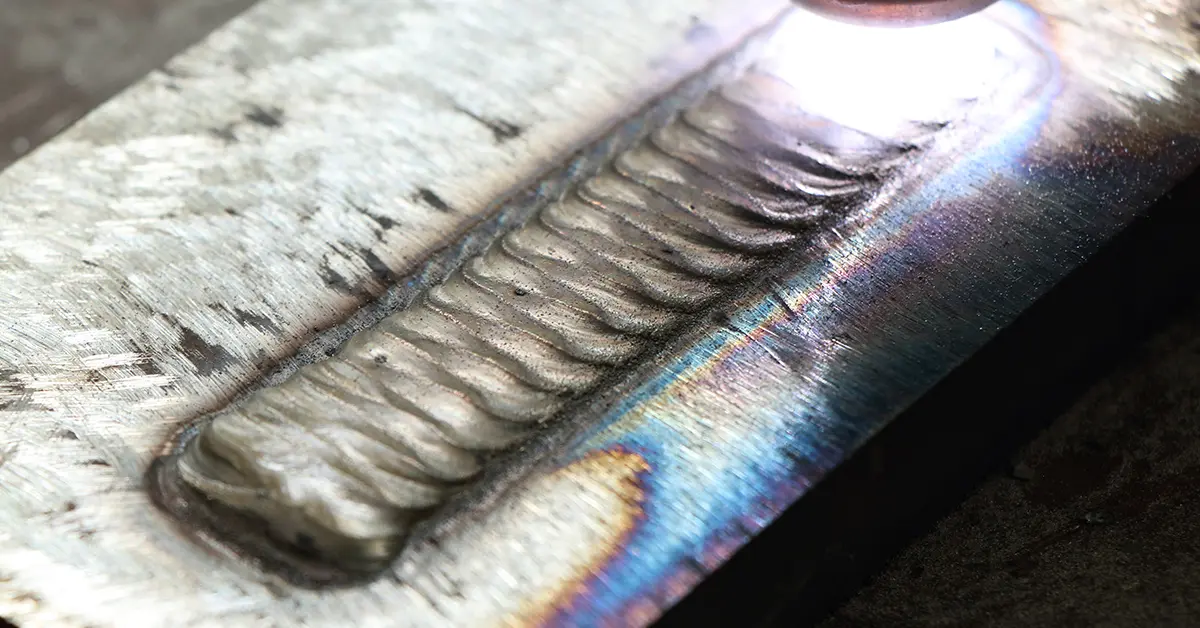
To address these vulnerabilities, advanced manufacturing entities leverage Plasma Transferred Arc (PTA) cladding and Laser Cladding technologies. These techniques do not merely join parts; they deposits specialized superalloy matrices—such as cobalt-based Stellite, nickel-based Colmonoy, or tungsten carbides—directly onto the stainless steel substrate. This creates a metallurgical bond with low dilution and minimal heat-affected zones (HAZ), preserving the mechanical integrity of the structural steel while dramatically enhancing surface longevity.
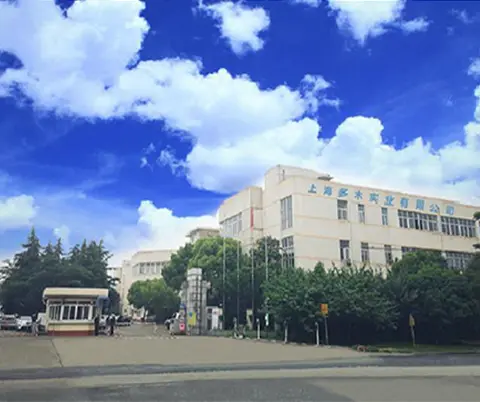
Shanghai Duomu has been a leading manufacturer and exporter of PTA cladding machine and Laser cladding machine for more than ten years with a strong technical background. Our dedication to research and development has allowed us to deliver precision engineered automated solutions to enterprises worldwide, securing our position at the forefront of the thermal surfacing industry.
Our core mission revolves around solving the most complex wear and corrosion problems facing high-stakes industrial machinery. Through robust manufacturing processes and uncompromising quality control, we ensure our automated systems deliver reliable, continuous operation in environments where failure is not an option.
Our products have successfully penetrated high-precision sectors, delivering localized surface modification and hardfacing support across various demanding environments.
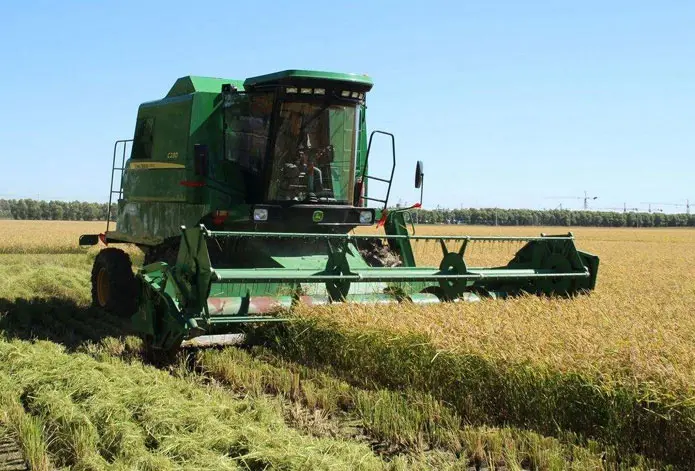
High abrasive wear protection on tillage components, rototiller blades, and harvester cutting mechanisms working in extreme soil dynamics.

Precise deposition of high-performance superalloys on turbine blades, thrust deflectors, and structural aerospace titanium joints.
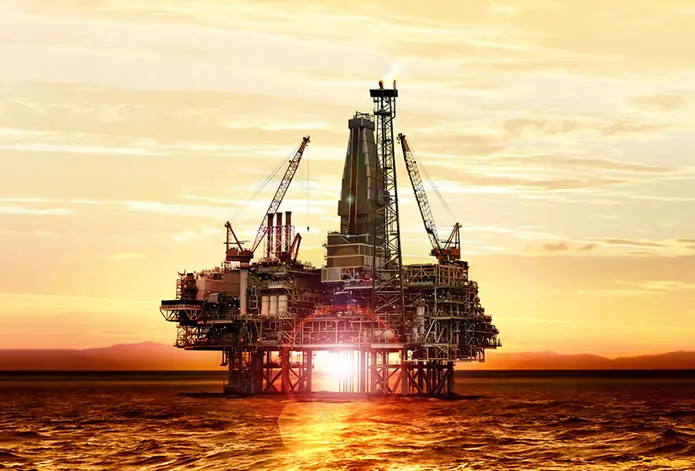
Corrosion and cavitation-resistant overlays for downhole drill bits, stabilizers, mud pumps, and heavy-duty API 6D control valves.
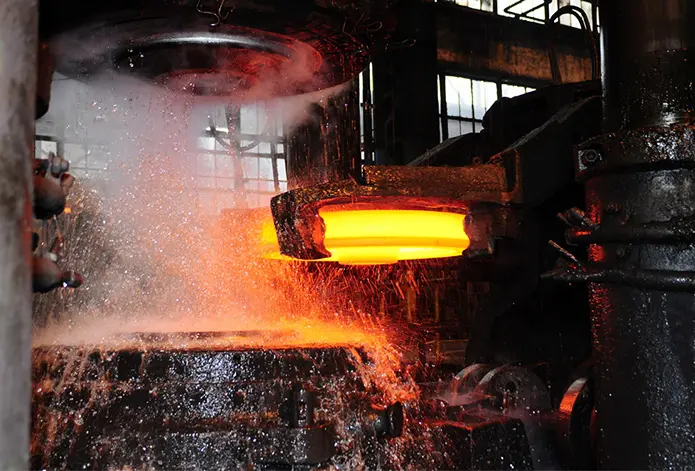
Thermal fatigue restoration for continuous casting rolls, forging dies, extrusion screws, and high-temperature furnace hardware.
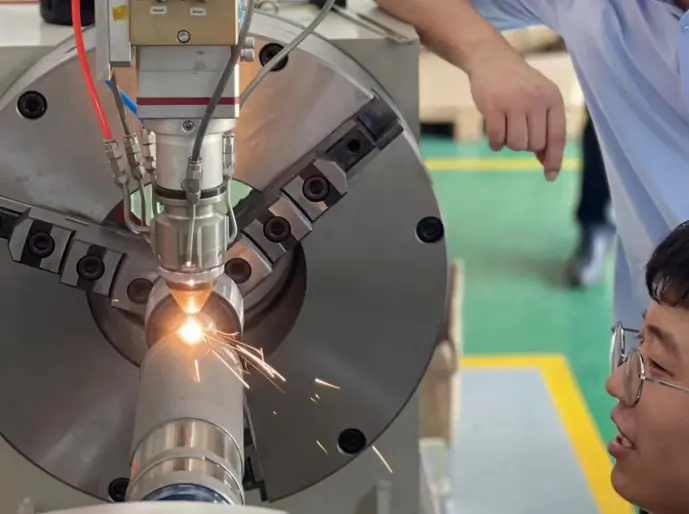
We operate an independent, highly specialized R&D team that develops, produces, and sells plasma cladding machinery and advanced laser system configurations. Our welding systems are engineered for stability, designed to endure long-term operational cycles without degradation in power efficiency or deposit precision.
In addition to high-precision standard equipment, the laser cladding machinery sold by our company supports large-scale industrial remanufacturing initiatives. Through proprietary process designs and real-time monitoring technology, we offer complete industrial packages that integrate hardware, tooling, control software, and customized alloy powder formulations to optimize component lifespans.
Why sourcing automated cladding machinery and precision torches from China drives global competitiveness.
Operating from major industrial hubs in China allows us to source raw structural components, electronic PLC units, and precision optics in real-time. This reduces lead times for bespoke machine custom designs from typical quarters down to weeks.
While Western suppliers focus on high-margin standardized packages, Chinese factories excel at customizing fixtures, robotic arms, deep hole torches, and dual-powder feeders to fit into pre-existing workflows seamlessly.
By scaling manufacturing and refining welding power supply architectures, we pass significant structural savings down to our buyers, enabling mid-tier operations to deploy automation tech that was once cost-prohibitive.
From hydraulic rod systems to specialized valve surface modification machinery, explore our core technology offerings.
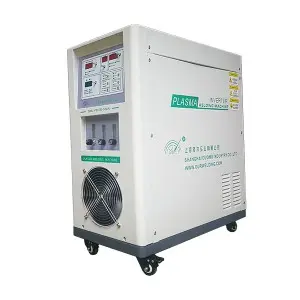
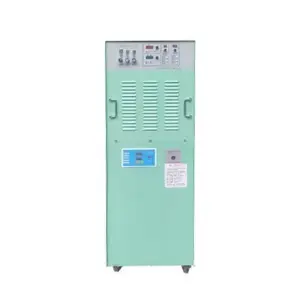
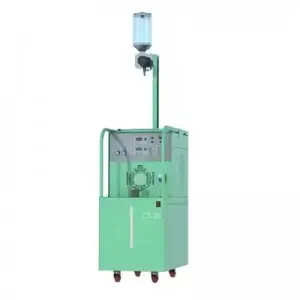
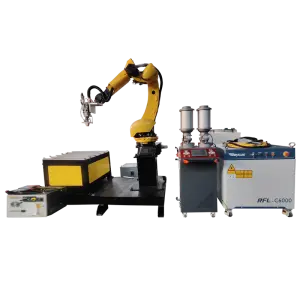
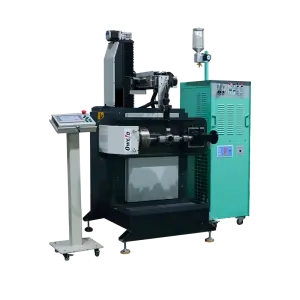
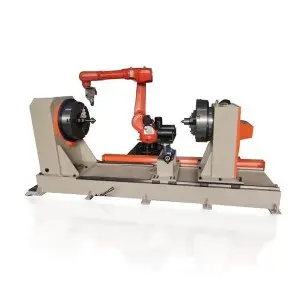
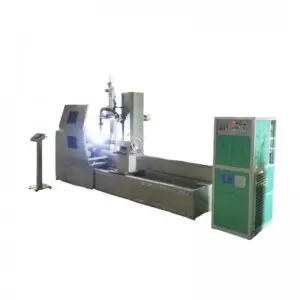
Discover how industrial experts apply PTA cladding and laser heat treatment to resolve critical erosion, wear, and fatigue challenges.
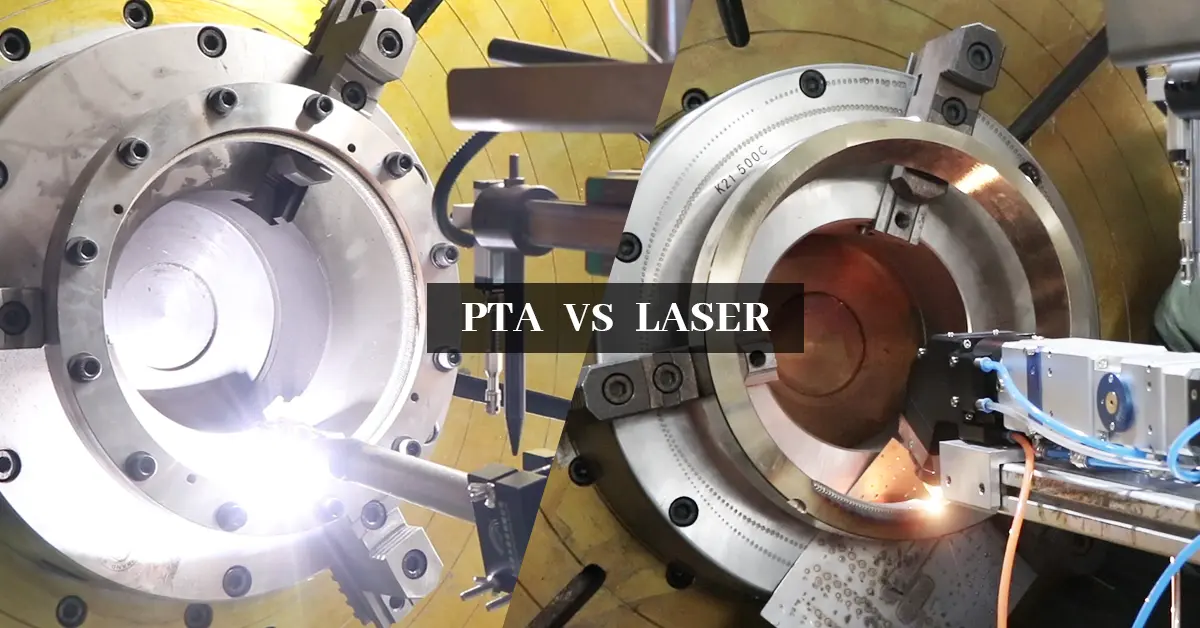
Predicting the technological paradigm shifts in industrial surface modification for the next decade.
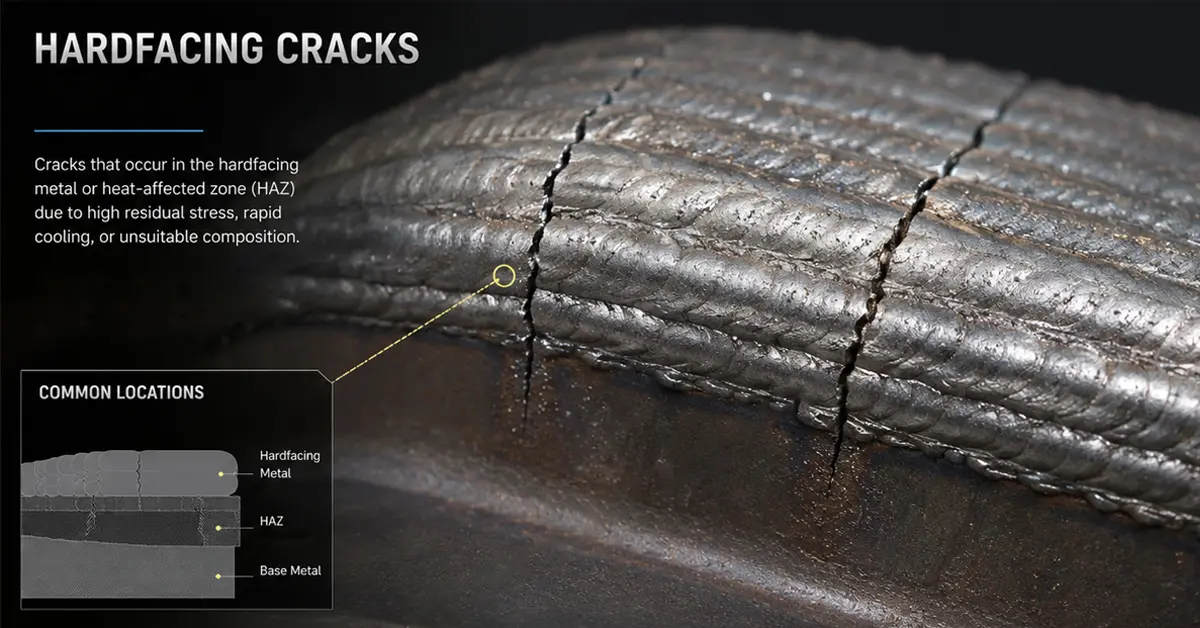
The future of Spawanie Stali Nierdzewnej and cladding is intrinsically linked to sensor-driven automation. Modern laser systems are starting to utilize real-time optical monitoring and pyrometer sensors. These instruments measure the weld pool temperature, width, and dilution profile instantaneously, allowing the AI controller to dynamically adjust power, powder feed rates, and travel speed. This closed-loop configuration virtually eliminates defects such as micro-porosity and intergranular stress cracking.
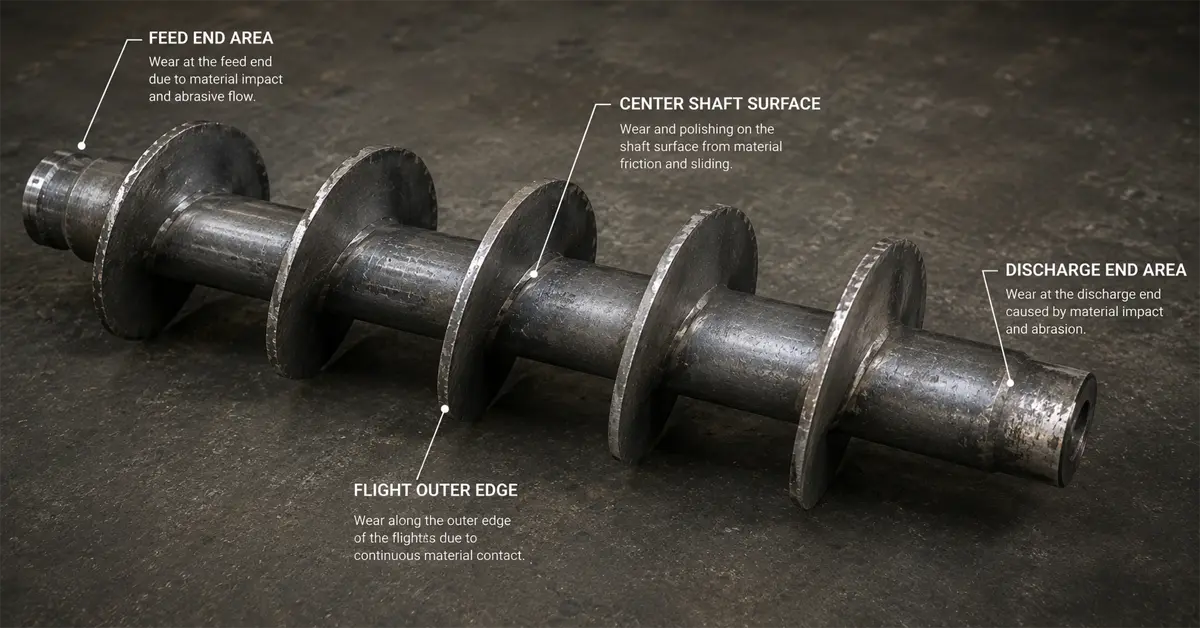
As carbon footprints become a key metric for global industrial compliance, the practice of recycling worn shafts, valves, and rollers via Laser Cladding is experiencing unprecedented growth. Instead of manufacturing new stainless steel parts from scratch—which requires substantial energy for smelting and forging—industries are choosing to deposit a layer of premium alloy onto worn components. This remanufacturing methodology yields up to 90% savings in raw material usage and carbon emissions.
Conventional cladding is restricted by heat inputs and linear travel limits. The development of Extreme High-Speed Laser Cladding (EHLA) enables the laser beam to melt the powder particles before they reach the substrate. This creates an extremely thin metallurgical bond layer with negligible dilution and thermal distortion. EHLA technology makes it feasible to apply high-performance protective coating overlays onto large-scale hydraulic shafts and rotors at processing speeds that compete directly with hard chrome plating.
Engineers are increasingly demanding components that perform multiple functions—such as high structural toughness at the core combined with extreme hardness on the outer shell. By employing dual-hopper powder feed systems during PTA and Laser Cladding, suppliers can gradually transition the alloy mix during deposition. This eliminates the abrupt metallurgical boundaries that cause coating delamination under intense shear stresses.
Addressing critical technical queries regarding stainless steel welding, hardfacing metallurgy, and automated machinery sourcing.
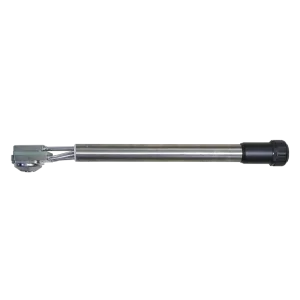
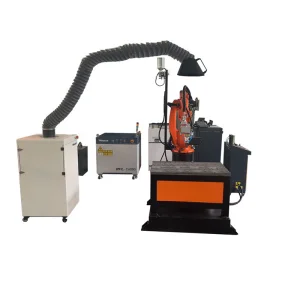
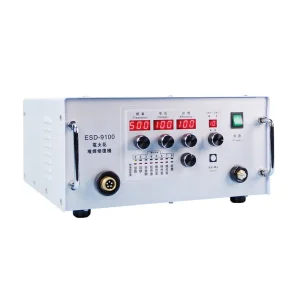
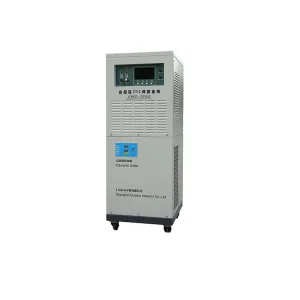
Explore our specialized industrial solutions, featuring high-duty gantry systems, custom bore torches, and robotic integration packages.
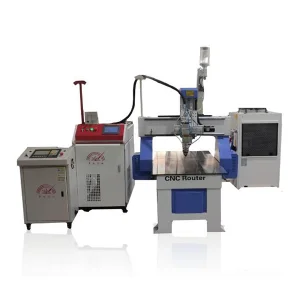
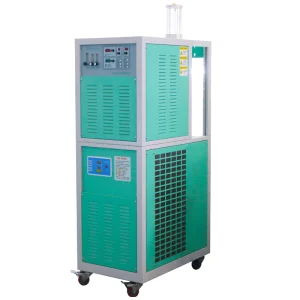
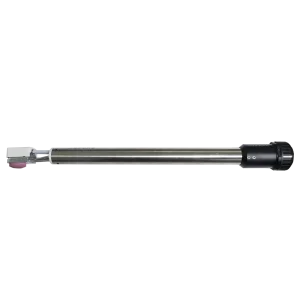
Collaborating with global steel, energy, and automated engineering leaders to deliver top-tier cladding systems.








For inquiries about our products, proprietary alloy recommendations, or complete system pricelists, please leave your message below. Our technical sales engineers will contact you within 24 hours.
Subscribe & Request Quote Duomu
Duomu