Explore our industrial-grade, highly integrated PTA and laser cladding solutions designed for shaft repair, valve hardening, and wear resistance.
An in-depth look at the thermodynamics, metallurgical integrity, and performance trade-offs of Plasma Transferred Arc (PTA) systems.
Average Dilution Rate (PTA)
Maximum Hardfacing Overlay
Constricted Arc Temperature
Industrial Design & Engineering R&D
In modern heavy industrial manufacturing, surfacing technologies play a pivotal role in extending the life cycle of key components operating under extreme conditions of friction, impact, thermal stress, and corrosion. Among these, Custom Плазменная Сварка (Custom Plasma Transferred Arc - PTA Welding) and Laser Cladding stand out as the two most robust metallurgical bonding processes. The global commercial market is seeing an unprecedented surge in demand for specialized PTA systems as companies aim to minimize downtime, reduce carbon footprints, and replace high-cost raw materials with surfaced low-cost structural substrates.
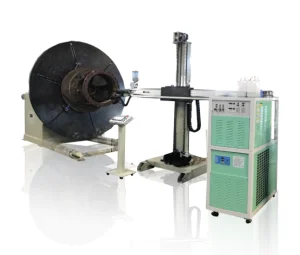
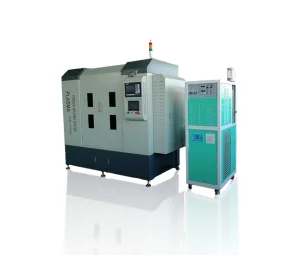
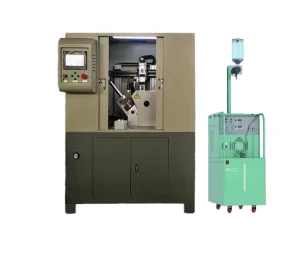
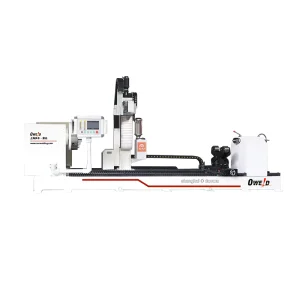
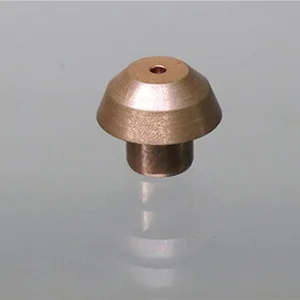
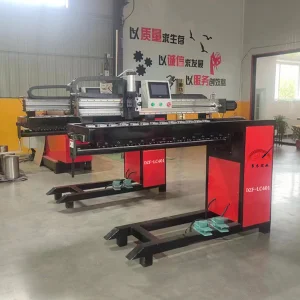
Historically, plasma welding has been divided into micro-plasma processes for precision instrumentation and high-current systems for heavy deposition surfacing. Shanghai Duomu has bridged these segments by manufacturing customizable solutions (e.g., *DML-V03BD* and *DZF-LC401* systems) that offer high-precision control of energy density, powder feed metrics, and workpiece heat allocation. By utilizing a highly constricted plasma arc generated through a combination of proprietary copper-alloy nozzles and heat-resistant tungsten electrodes, our machinery delivers unparalleled structural fusion.
While both processes provide high-quality surface hardfacing, they operate on different energy physics. PTA utilizes a constricted ionized gas stream (plasma arc) which offers an exceptionally high energy-conversion efficiency and lower cost-per-deposition compared to laser sources. Laser Cladding utilizes a focused monochromatic light source offering lower heat input but higher initial capital expenditure. Modern manufacturers frequently employ a hybrid technology map that leverages both systems depending on the thickness, base material sensitivity, and geometric complexity of the workpiece.
A transparent, engineering-centric comparison of custom plasma welding technology to guide your procurement and engineering choices.
Shanghai Duomu has established itself as an industry leader in engineering reliable, high-integrity PTA cladding and laser surfacing machinery. With an independent research and development department, we develop, produce, and sell custom plasma systems that solve the most complex heavy industrial wear problems. Our welding platforms operate continuously under harsh factory conditions, proving their structural durability and high system uptime.
We provide full-spectrum turnkey solutions that cover system design, powder feeder optimization, robotic programming, and custom alloy powder selection. This integrated methodology ensures that every client receives a manufacturing cell calibrated specifically for their material classes, dimension limits, and production rates.
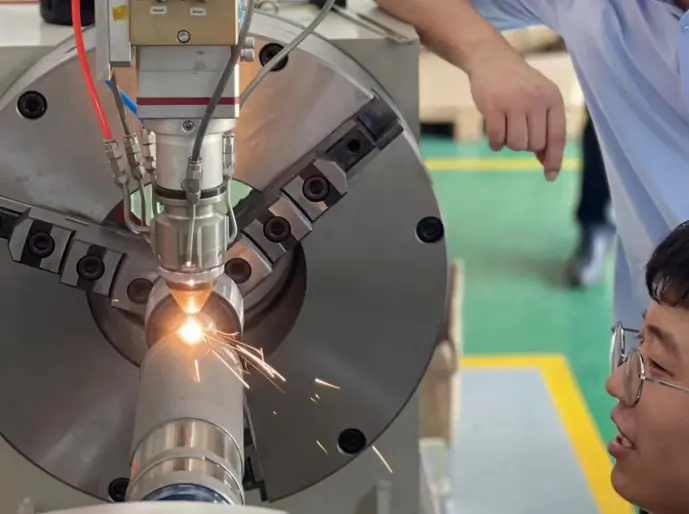
Discover how Shanghai Duomu’s custom plasma welding systems are applied to critical components across global industrial sectors.
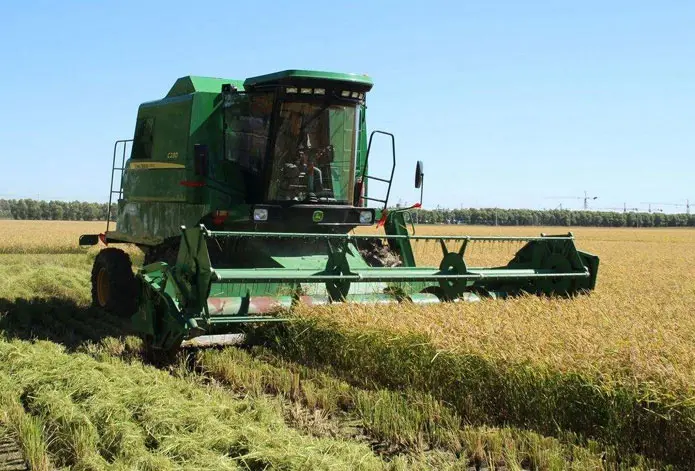


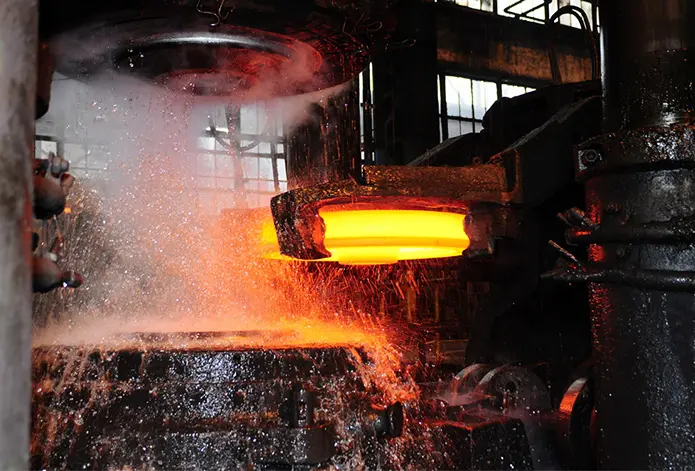
The convergence of Artificial Intelligence, automated sensors, and hybrid laser-plasma systems is shaping the next generation of industrial surfacing.
As the industrial sector moves toward Industry 4.0, custom plasma welding is evolving from operator-dependent setups to smart closed-loop control systems. Shanghai Duomu is currently developing next-generation plasma welding systems integrated with optical vision systems and real-time spectrum analysis. By monitoring the plasma arc radiation in real-time, the system can dynamically adjust the powder feed rate and welding speed to maintain zero dilution variance across uneven parts.
Furthermore, hybrid systems that combine the high deposition efficiency of PTA with the localized low heat-input properties of lasers are on the horizon. This will enable multi-material cladding, where an intermediate transition layer is deposited via PTA at high speeds, and the final high-wear-resistance surface layer is finished with precision laser cladding. Such advancements will drastically cut processing times while expanding the application envelope to include thin, heat-sensitive components.
Expert insights into common technical questions regarding custom plasma welding and cladding machines.
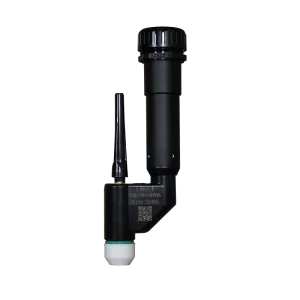
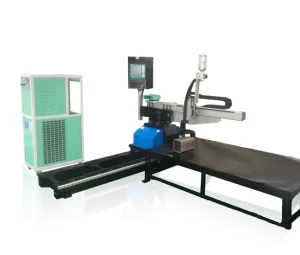
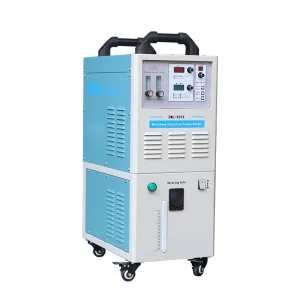
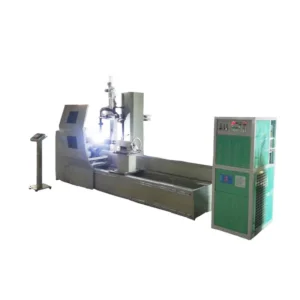
Select from our complete range of automatic planar surfacing systems, valve welders, heat-resistant electrodes, and specialty torches.
Shanghai Duomu has been a leading manufacturer and exporter of PTA cladding machines and laser cladding machines for more than ten years, supported by a strong technical background and a dedicated customer service network. We specialize in configuring automatic laser cladding equipment, automatic plasma cladding equipment, intelligent robot cladding units, and highly customized machinery targeting key industrial parts such as hydraulic rods, mineral cutting picks, and valves.
We pride ourselves on offering complete engineering support, from initial material consultations to parameter tuning and final factory testing, helping our clients achieve reliable wear and corrosion solutions.
Insights from field applications and key parameters that determine success in high-wear metallurgical coatings.
"The PTA Welding Valve Application Guide is not just a process choice for valve manufacturers facing high wear, high corrosion, and high-temperature erosion working conditions, but also a key path to improving product competitiveness. As petrochemical and power generation fields scale up, this becomes vital."
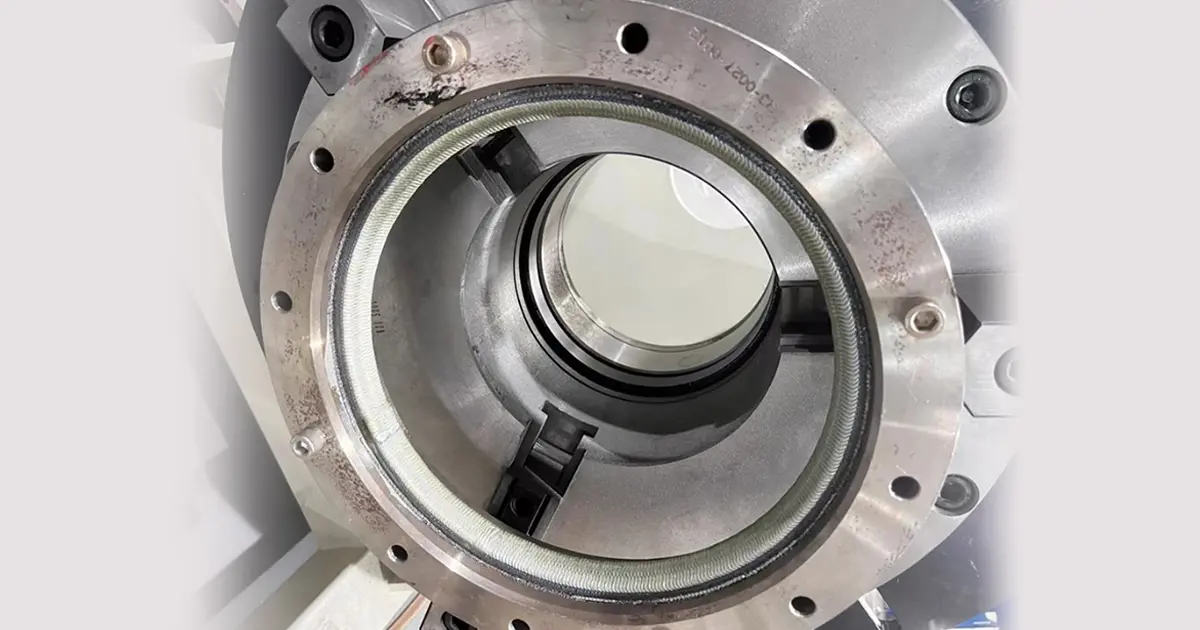
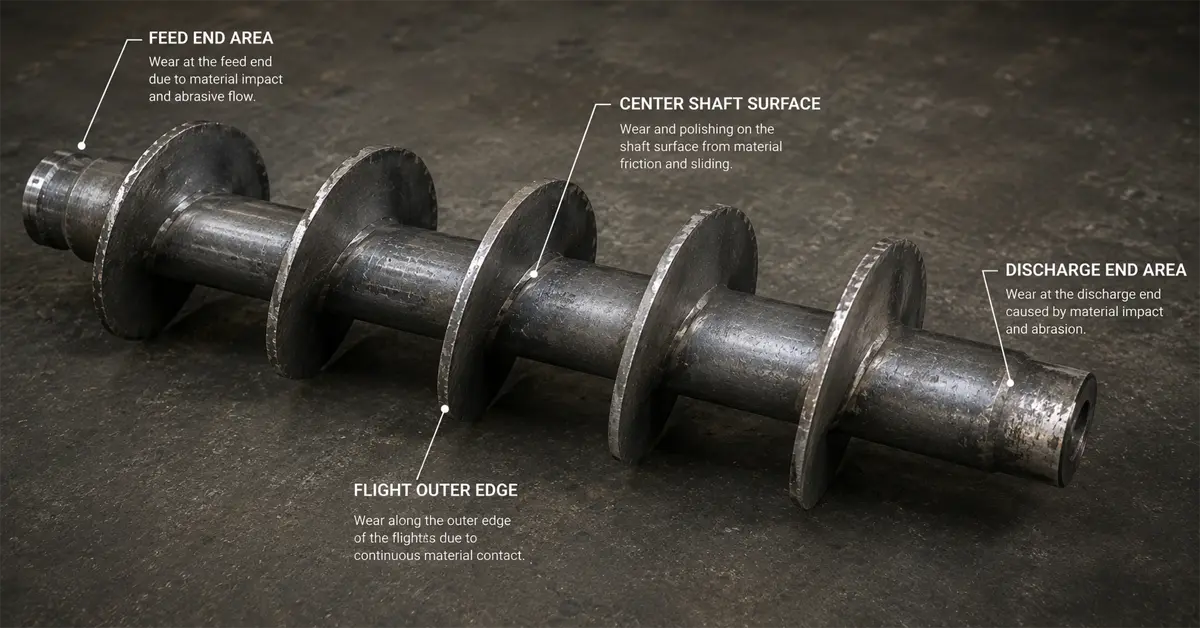
"In industries such as mining, cement, and power generation, screw conveyors are often regarded as auxiliary equipment. However, maintenance data shows they are among the most frequent causes of unplanned production downtime. Applying custom plasma cladding significantly minimizes wear and extends life."
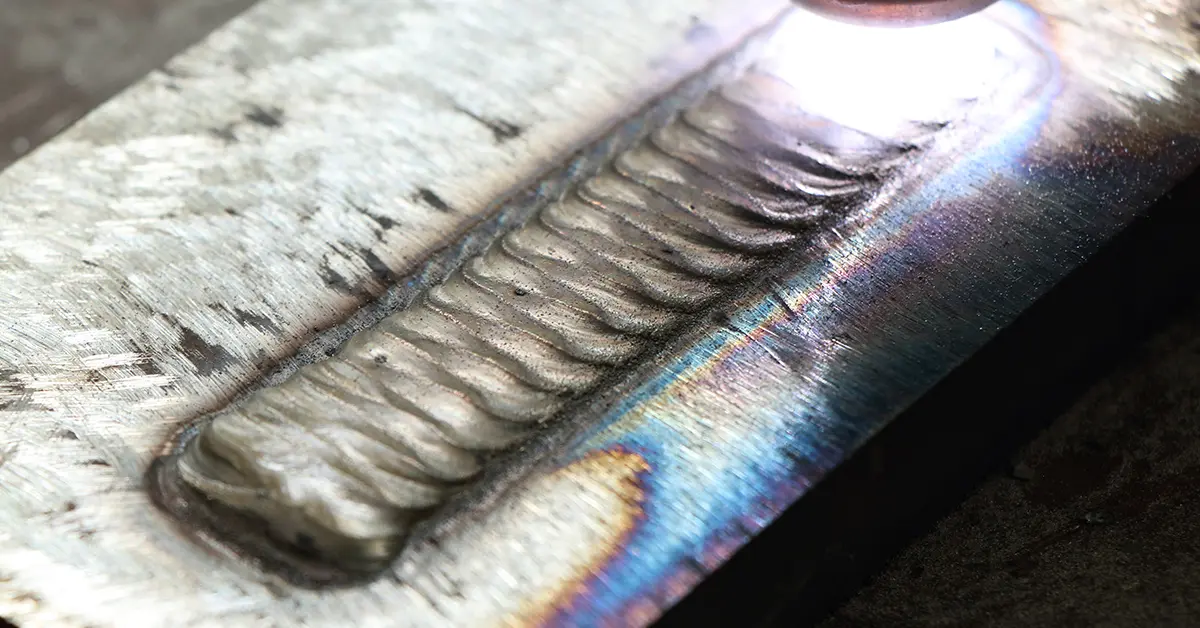
"In PTA hardfacing, achieving a high-quality overlay is not only about selecting the right alloy powder or optimizing welding parameters. One of the most critical factors that directly affects overlay performance is the dilution rate. Keeping it low determines real-world hardness."







For inquiries about our products or pricelist, please leave your email and our engineering team will get in touch with you within 24 hours.
 Duomu
Duomu